

How much does a trip to Uganda cost?
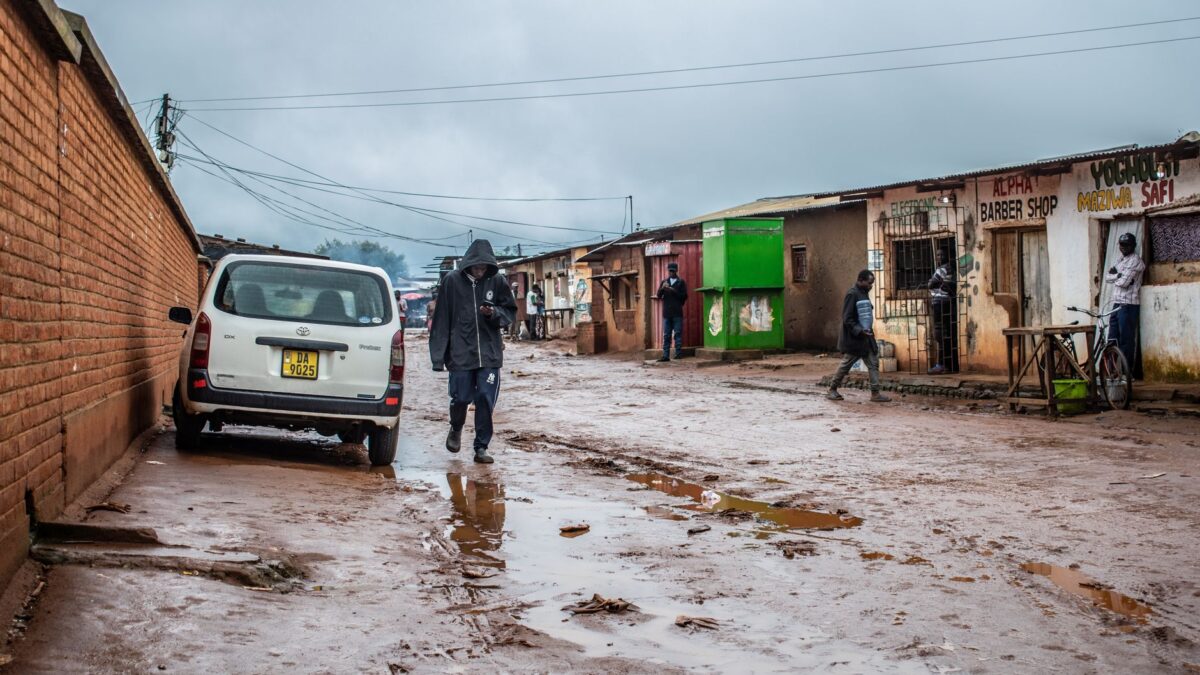
It is mid-October in Kampala, and the air feels thick enough to chew. The short rains have just paused, leaving the city’s famous seven hills steaming under a grey sky. You are standing near Lubigi, where the water is still knee-deep on the highway, forcing boda-boda riders to ferry passengers across submerged asphalt for a small fee. It is chaotic, wet, and undeniably alive. This is the reality of visiting Uganda right now: a place where nature dictates the schedule and prices fluctuate with the mood of the market.
If you are wondering how much this experience will cost you, the answer depends entirely on whether you want to live like a local or sleep in an air-conditioned bubble. Kampala remains remarkably cheap for anyone earning in shillings, but for the international traveler, costs can add up quickly if you aren’t careful. Let’s break down the real numbers as they stand today, from the street food stalls in Owino Market to the boutique hotels in Kololo.
The Daily Grind: Transport and Food
Your biggest variable expense will be getting around. There is no metro system here, no trains, and no unified transit card. You pay per trip. For the budget traveler, the shared 14-seater minibuses—locally called ‘taxis’ or ‘matatus’—are your lifeline. A single ride across town currently costs between UGX 2,000 and UGX 3,000 (roughly $0.70). If you plan to use them daily, some operators offer informal monthly passes for around UGX 69,000 ($18), though these arrangements require building rapport with the conductor.
However, minibus fares jumped by UGX 500–2,000 on many routes in August 2026 following a government crackdown on unroadworthy vehicles, so expect prices to be slightly higher than they were two years ago. Alternatively, you can hail a boda-boda (motorcycle taxi) for short hops under two kilometers. These typically run UGX 2,000–4,000 ($0.80). For longer trips or late-night travel, apps like SafeBoda, Bolt, or Uber are safer and more predictable, though significantly more expensive.
Food is where your money goes furthest. You do not need to eat at fancy restaurants to enjoy incredible meals. A plate of beans or beef stew with posho (ugali) and greens from a local stall costs about UGX 10,000–13,000 ($3). Street food is legendary here: try a rolex (chapati rolled around an egg-and-vegetable omelette) for UGX 2,000–3,000 ($0.70), or komikando (chopped chapati with beans) for UGX 3,000 ($0.80). These are filling, delicious, and safe if you choose busy stalls. A cup of coffee at a casual café like Endiro Coffee or Wild Coffee Bar will set you back UGX 6,000–10,000 ($2.10).
Where You Sleep Matters Most
Accommodation creates the widest gap in budgets. If you are staying long-term, a modest one-bedroom flat outside the city center—in areas like Ntinda, Kisaasi, or Nakawa—rents for around UGX 680,000 per month ($180). But for tourists, nightly rates vary wildly by district.
Budget Travelers: You can find hostels or guesthouses in areas like Wandegeya or Makerere for UGX 50,000–80,000 ($13–$21) per night. Be aware that with ongoing road rehabilitation projects tearing up streets like Bombo Road II and Yusuf Lule Road, your commute might be longer than expected as traffic diverts through Wandegeya and Bwaise.
Mid-Range Travelers: This is the sweet spot for most visitors. Hotels like the Choate Boutique Hotel or Kilimanjaro Inn offer comfort without luxury excess. While I could not verify exact current nightly rates due to rapid market shifts, you should budget approximately UGX 150,000–250,000 ($40–$66) per night for a clean, secure room with reliable power and Wi-Fi. Areas like Bugolobi or Ntinda are ideal here, offering a mix of safety and proximity to dining.
Comfortable/Luxury Travelers: If you prefer the diplomatic quiet of Upper Kololo or the business hub of Nakasero, expect to pay UGX 500,000+ ($133+) per night. During major events, such as the recent Renewable Energy Conference at the Serena Hotel, prices surge and availability drops. Book well in advance if traveling during peak conference seasons.
Attractions and Activities
Uganda’s cultural and natural attractions are reasonably priced, though some fees are pegged to US dollars. The Uganda Museum in Kitante, East Africa’s oldest, charges roughly US$4 ($4) for entry. The Kasubi Tombs, a UNESCO site and burial ground of four Buganda kings, costs around US$20 ($20). Remember to dress modestly; it is a sacred site. The Gaddafi National Mosque in Old Kampala offers a stunning 360-degree view of the city from its minaret for about US$7 ($7).
For a taste of performance art, the Ndere Cultural Centre in Ntinda hosts pan-Ugandan dance and drumming shows. Tickets and dinner packages vary but generally fall in the mid-range bracket. Nature lovers can visit the Ngamba Island Chimpanzee Sanctuary or Mabamba Swamp for shoebill stork sightings; boat tours and guide fees usually range from UGX 100,000 to UGX 200,000 ($26–$53) depending on group size.
Keep in mind that infrastructure changes affect access. The rebuilt Katonga Bridge on the Kampala-Masaka highway reopened in October 2026, ending three years of detours. If you are heading south, traffic flows smoothly again, saving you hours of travel time compared to the Mpigi/Ssembabule route.
Hidden Costs and Practicalities
Beyond accommodation and food, there are administrative and logistical costs. Visa requirements are strict: Uganda requires an e-visa for most nationals. A single-entry tourist visa is US$50, while the East Africa Tourist Visa (covering Uganda, Kenya, and Rwanda) is US$100. Yellow fever vaccination is mandatory, and you must carry the certificate.
A new rule effective June 2026 requires legally resident foreign nationals to register with NIRA and obtain an Alien Identification Card for US$100. While short-term tourists (under 90 days) are exempt, if you are extending your stay or working, factor this into your budget. Banking can also be tricky; opening an account requires a passport, immigration permit, proof of address, and now the NIRA ID. Most daily transactions happen via MTN Mobile Money (MoMo) or Airtel Money rather than cards. Ensure you have a registered SIM card from the start—buy from official centers at the airport or in Nakasero to avoid registration issues.
Safety is another consideration. Kampala is generally safe during the day, but bag-snatching is common, especially on boda-bodas. Keep your phone on the inside seat. At night, avoid walking in areas like Kabalagala or Kisenyi alone. Use app-based cabs for late returns.
Rough Daily Totals
To summarize, here is what a typical day looks like in Ugandan Shillings (UGX) and approximate USD equivalents:
- Budget: UGX 60,000–90,000 ($16–$24). Includes hostel stay, matatu rides, street food (rolex/kikomando), and free exploration.
- Mid-Range: UGX 200,000–300,000 ($53–$80). Includes mid-tier hotel, occasional boda-boda/Uber, restaurant meals, and attraction fees.
- Comfortable: UGX 500,000+ ($133+). Includes boutique/luxury hotel, private transfers, fine dining, and guided tours.
Uganda is affordable if you engage with it locally. Eat at the duka, ride the matatu, and embrace the rain. The costs are low, but the memories are priceless.
Frequently asked questions
How much does street food cost in Kampala?
Street food is very affordable. A rolexe (chapati with egg) costs UGX 2,000–3,000 ($0.70), and kikomando (chapati with beans) is about UGX 3,000 ($0.80). A full meal of posho and stew runs UGX 10,000–13,000 ($3).
Is it safe to use boda-bodas in Kampala?
Boda-bodas are ubiquitous and cheap (UGX 2,000–4,000 for short hops), but safety is a concern. Always wear a helmet (SafeBoda provides them), keep your phone on the inside of the bike to prevent snatching, and avoid riding at night in high-crime areas like Kabalagala.
Do I need cash or cards in Uganda?
Mobile money (MTN MoMo and Airtel Money) is king for daily transactions. Cards are accepted at mid-range and luxury hotels/restaurants, but small vendors and taxis rely on cash or mobile wallets. Carry some UGX notes for matatus and street food.
What are the visa costs for Uganda?
Most travelers need an e-visa. A single-entry tourist visa is US$50. The East Africa Tourist Visa, which allows entry into Uganda, Kenya, and Rwanda, costs US$100. A yellow fever vaccination certificate is mandatory.
How much does a minibus taxi cost in Kampala?
Shared 14-seater minibuses ('taxis') cost between UGX 2,000 and UGX 3,000 ($0.70–$0.80) per ride. Fares increased slightly in late 2026 due to vehicle supply issues. Monthly commuter passes are available informally for around UGX 69,000 ($18).
Things to do in Uganda
 Jinja day tour exploring the source of River Nile
 Private 3 Day Gorilla Trekking Safari in Uganda
 8-Day Classic Uganda Primates & Wildlife Tour
 Unforgettable 3 days Murchison falls.
 14 Days Uganda Safari Adventure, Gorilla Trekking and WildlifeTour
 Private 2 days Murchison Falls and Wildlife Game Viewing