

A week in Accra on a mid-range budget
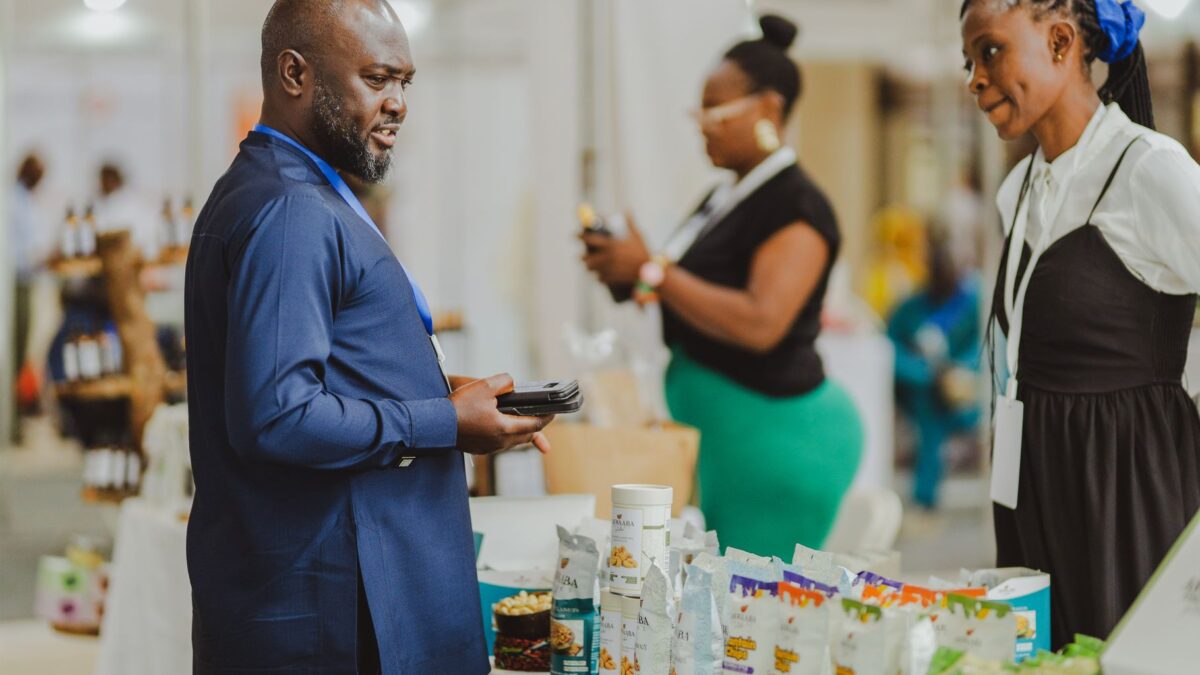
The humidity in Accra doesn’t just sit on you; it hugs you, heavy and warm, carrying the scent of roasting plantain and exhaust fumes from the bumper-to-bumper traffic on Oxford Street. It is mid-October, the tail end of the rainy season, and the air feels like a hot towel pressed against your face—thunderstorms brewing over the Atlantic, waiting to dump five millimeters of rain in an hour. But beneath that sticky heat lies a city pulsing with life, conferences, concerts, and the undeniable rhythm of West Africa’s most vibrant capital. If you are planning a week here on a mid-range budget, you need to know that Accra is among the most expensive cities in the region, but with local knowledge, it is entirely manageable. You won’t be living like royalty, but you will eat well, move comfortably, and see the real heart of Ghana without draining your wallet.
Where to Stay: The Geography of Your Ghc
Your first decision is where to park yourself for the night, and this dictates your daily transit costs. For a mid-range traveler, you have two solid options. If you want to be in the thick of the action, look at Osu. This is the nightlife and dining spine along Oxford Street, packed with embassies and the historic Christiansborg Castle. Staying here means you can walk to dinner, but expect noise and higher prices. Alternatively, if you prefer leafy, upmarket tranquility, head to Labone or Cantonments. This diplomatic quarter is quieter, filled with art galleries and cafes, and feels more like a residential neighborhood than a tourist hub.
A night in a mid-range hotel or guesthouse in these areas will cost you roughly GH₵1,300 to GH₵2,700 (about $180 USD). Prices fluctuate based on event schedules; right now, the city is buzzing with the Mining in Motion 2026 forum and the World Assemblies of God Congress, which drives demand up. For a slightly more budget-conscious stay, consider Esther’s Hotel or Villa Victoria Executive Guest Lodge in central areas. Avoid trying to squeeze into East Legon or the Airport Residential Area unless you have a car; those are expensive suburbs dominated by expatriate serviced apartments and corporate headquarters.
Eating Like a Local: From Waakye to Fine Dining
Ghanaian food is the soul of Accra, and your meals will likely become the highlight of your day. You do not need to spend big to eat excellently. Start your morning or lunch at a street vendor with a plate of waakye—rice and beans cooked with millet leaves, served with spaghetti, shito, and boiled eggs. A simple plate from a trusted spot costs around GH₵15–25 (roughly $1.80 USD). It is filling, affordable, and delicious. If you crave something heavier, a bowl of fufu with light soup and meat at a local chop bar runs about GH₵50+ ($5 USD), while a ball of kenkey with fried fish and pepper is a steal at GH₵5–7 ($0.50 USD).
For dinner, you might opt for a mid-range sit-down restaurant. Places like Tribeca Ghana or Le Petit Oiseau offer comfortable ambiance and international-Ghanaian fusion. Expect to pay between GH₵80–150 ($10 USD) per person, including a drink. If you are feeling adventurous, head to the Osu Night Market area on Oxford Street for street food. Here, you can sample grilled tilapia, fresh juices, and spicy snacks for about GH₵30–50 ($4 USD) per sitting. Just remember: cash is king. While many restaurants accept cards, street vendors and small eateries rely heavily on Mobile Money (MoMo). Make sure you have MTN MoMo set up on your phone—it is how most small payments get made.
Navigating the Grid: Trotros, Traffic, and Diversions
Getting around Accra requires patience and strategy. There is no metro system. The cheap backbone of transport is the trotro—shared minibuses that crisscross the city. A short trip within the city center costs only GH₵5–8 ($0.60 USD). However, trotros can be chaotic, crowded, and confusing for newcomers. If you prefer comfort, use ride-hailing apps like Bolt or Yango. A short taxi ride across town, say from Osu to the Airport Residential Area, will cost around GH₵30–50 ($4 USD). This is a reasonable price for the air-conditioned relief from the heat.
Be aware of current infrastructure challenges. The westbound carriageway of the Dr Busia Highway is closed at Pamprom Junction in Kaneshie due to storm-drain construction, forcing long diversions. Also, keep an eye on power stability; recent outages at GRIDCo substations have affected parts of the city like Lapaz and Mallam. While the main tourist corridors usually have backup generators, blackouts can happen. Plan your evening activities accordingly. If you are staying near the coast, note that La Pleasure Beach has recently undergone military demolition of beachfront structures, so some areas may be restricted or altered. Always check local news before heading to specific beach spots.
Experiences: Culture, History, and Nightlife
Accra offers a wealth of cultural experiences that are either free or very low-cost. Dedicate a morning to the Kwame Nkrumah Memorial Park & Mausoleum and Black Star Square. These landmarks are central to Ghana’s identity as the first sub-Saharan African colony to win independence in 1957. Walking through the park, you feel the weight of history. Nearby, visit the National Museum of Ghana on Barnes Road to understand the country’s artistic heritage, from kente cloth to adinkra symbols. Entry fees are minimal, often under GH₵20.
For a different vibe, take a trotro down to Jamestown. This is the historic core of old Accra, home to the Jamestown Lighthouse (built in 1875) and the bustling fishing harbor. Walk past Brazil House, a reminder of the Afro-Brazilian returnees from the 1830s. The atmosphere here is raw and authentic. In the evening, if you are in town during the MoMo Fest 2026 concert featuring Shatta Wale, the Accra Sports Stadium comes alive with music and mobile-money activations. Tickets vary, but the energy is palpable. Alternatively, simply stroll along Oxford Street, soak in the lights, and enjoy the vibrant nightlife scene that makes Accra a party capital of West Africa.
Finally, do not forget the practicalities. Most nationalities need a visa obtained from a Ghanaian mission before flying, costing around US$60–100. Yellow fever vaccination is mandatory. Once here, register for a SIM card with MTN, Telecel, or AirtelTigo using your passport. Safety-wise, Accra is relatively stable, but use registered taxis at night and keep your bags secure in crowded markets like Makola. With a budget of roughly GH₵200–300 per day excluding accommodation, you can experience the warmth, food, and spirit of Ghana without breaking the bank.
Frequently asked questions
How much does a meal cost in Accra?
A simple plate of waakye from a street vendor costs about GH₵15–25 ($1.80), while a mid-range restaurant meal with a drink is around GH₵80–150 ($10).
Is it safe to use trotros in Accra?
Trotros are safe and the cheapest way to travel (GH₵5–8), but they can be chaotic and crowded. Ride-hailing apps like Bolt are safer and cost about GH₵30–50 for short trips.
Do I need a visa to enter Ghana?
Most nationalities need a visa obtained from a Ghanaian mission beforehand (approx. US$60–100). ECOWAS citizens and a few others are exempt. Visa on arrival is not a walk-up facility.
What is the best area to stay in Accra for tourists?
Osu is best for nightlife and dining access, while Labone/Cantonments offers a quieter, upmarket diplomatic environment. Both are popular mid-range options.
Can I pay with credit cards everywhere in Accra?
No, Mobile Money (MoMo) is dominant for small payments. While mid-range restaurants accept cards, street vendors and local chop bars require cash or MoMo.


