

Mauritius in October 2026: what travelers should know now
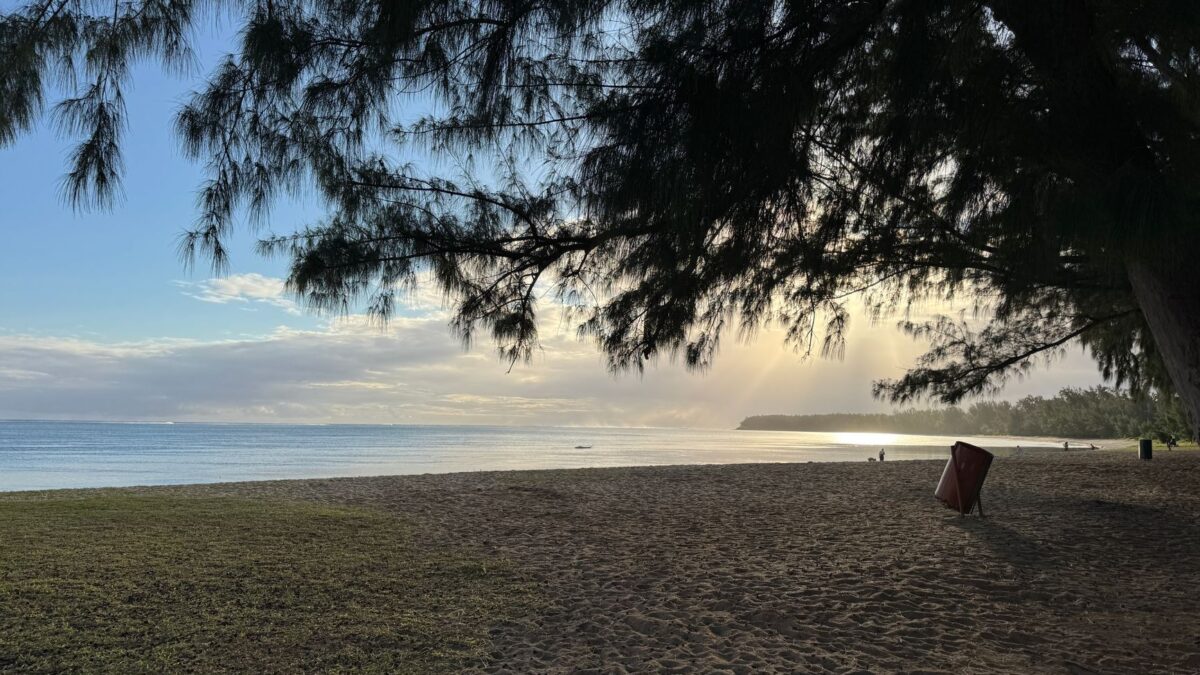
It is mid-October, and the air in Port Louis feels thick with anticipation. The dry winter has held on for months, leaving the cane fields tinder-dry and the sky a hazy, pale blue. If you are arriving this month, you are stepping into a moment of sharp contrasts: the parched earth waiting for the first summer rains, the vibrant buildup to Divali celebrations, and the heavy, watchful atmosphere following a week of intense civil unrest. As your local host, I need to be direct about what is happening right now so you can navigate these next few weeks with clarity and respect.
The Current Situation: Unrest and Water Scarcity
You must understand that Mauritius is currently navigating a period of significant social tension. Following protests over water shortages and a police shooting incident earlier in October, the government declared a nationwide nightly curfew from 22:00 to 04:30 for the nights of October 16, 17, and 18. Heavy patrols and checkpoints remain active in and around the capital. While the Cabinet is reassessing this situation as of Monday, October 19, the streets are still tense. For travelers, this means avoiding unnecessary movement after dark and staying aware of your surroundings, particularly in Port Louis.
Beyond the security concerns, there is a tangible resource crisis. The Central Water Authority is supplying Port Louis only between 04:00–08:00 and 16:00–20:00. Seven areas fed by the Mare-aux-Vacoas reservoir receive water every other day, strictly between 03:00 and 08:00. Bans on hosepipes, car washes, and pool filling are in effect. You will see residents actively dealing with queues and paperwork to register for government vouchers (Rs 15,000) toward buying water tanks and pumps. This is not just an inconvenience; it is a daily struggle for many locals. Travelers should plan accordingly, perhaps booking accommodations with reliable independent water storage, and always carry bottled water for drinking if you are unsure of your lodging’s supply status.
Weather and Packing for Late Autumn
Despite the social turbulence, the weather remains consistent with late autumn. Today, October 18, temperatures in Port Louis range from a mild 21°C to a warm 29°C. We are experiencing light drizzle and light winds, but the dominant feeling is one of parched heat. The humidity is rising, but the rain has not yet come in force. This is the tail end of the dry season, meaning the landscape is dusty and the air is still.
Pack for this specific transitional moment. Light, breathable cottons are essential for the daytime heat, but bring a light jacket or sweater for the cooler evenings and air-conditioned interiors. Since we are waiting for the summer rains, which typically arrive in November, pack layers that can handle sudden shifts in temperature. Also, given the current health advisories regarding mosquitoes between October and May, high-quality repellent is non-negotiable. Tap water is generally drinkable, but given the current supply interruptions, sticking to bottled water is the safest practical choice until the infrastructure stabilizes.
Events and Cultural Pulse
Amidst the challenges, the cultural life of the island is vibrant and urgent. The most significant event on the horizon is National Divali 2026, celebrated on Saturday, October 24. The Port-Louis Waterfront will be alive with activity, including a live show by renowned Indian singers Udit and Aditya Narayan, organized by the Ministry of Arts and Culture with the Indian High Commission. This is a major public gathering; expect crowds, traffic disruptions, and heightened security. It is a beautiful opportunity to witness Mauritian culture, but you must plan your transport well in advance.
Also running concurrently is the second edition of the Festival Nou Leritaz (October 21–24). This bilingual literature, audiovisual, and music festival features programs at the Institut français in Rose-Hill and closes with a ‘Leritaz Ritmik – Cassambo’ tribute concert at Edith in Port-Louis. While the literary events are free, the closing concert at Edith requires a ticket. These events offer a glimpse into the resilience and creativity of the Mauritian spirit during difficult times.
Schools are scheduled to reopen normally on Monday, October 19, following a week of closures during the unrest. Parents and pupils are watching closely to ensure this holds, and you may notice a return of normalcy in school zones, though traffic patterns may take time to adjust fully.
Costs and Practicalities
Mauritius remains affordable for basics, though inflation is hovering around 3.7%. A meal at an inexpensive local restaurant costs about Rs 300 ($6), while a dholl puri—the iconic street wrap—runs Rs 25–28.50. Gateaux piment (fried fritters) are Rs 5–10 each. However, imported goods and mid-range dining pull costs up; a three-course meal for two at a mid-range restaurant is approximately Rs 2,000 ($45). Rent is also significant; a modest 1-bedroom flat in the city centre costs around Rs 22,600 ($490) per month.
For transit, the Metro Express light rail uses the MECard, costing about Rs 150 initially (including credit). Fares range from Rs 32–52. Note that the Metro runs only from 06:00 to 19:00, which aligns with the curfew restrictions. Buses are separate, tracked via the Maubis app, with short hops costing around Rs 20. Cash (Mauritian rupees) is king for markets and small vendors. ATMs are widespread, but banks like MCB and SBM may have longer queues due to administrative backlogs.
Right Now Tips for Travelers
If you are here this month, prioritize safety and flexibility. Avoid the Jardins de la Compagnie after dark and keep valuables secure in crowded areas like the Central Market and Chinatown. Respect the curfew strictly; do not wander during checkpoint hours. When visiting landmarks like the Blue Penny Museum or Aapravasi Ghat, expect normal opening hours, but verify any changes due to the unrest. Embrace the local rhythm: enjoy sugarcane juice (Rs 35–50) from street vendors when safe to do so, and support local businesses where possible. The warmth of the people remains, even if their circumstances are tough. Stay informed, stay respectful, and prepare for a unique, albeit challenging, entry into the Mauritian experience.
Frequently asked questions
Is it safe to travel to Mauritius in October 2026?
Safety is a concern due to recent unrest and a nightly curfew (22:00–04:30) in effect through mid-October. Avoid night movement in Port Louis, respect checkpoints, and stay updated on government reassessments. Daytime tourism is possible but requires caution.
Are water supplies reliable for tourists in October?
No. Port Louis faces strict rationing, with supply limited to early morning and afternoon/evening windows. Many areas get water every other day. Bring sufficient bottled water and confirm your accommodation has backup storage.
What major events are happening in Port Louis in late October?
National Divali celebrations peak on October 24 with performances at the Waterfront. The Festival Nou Leritaz runs October 21–24, ending with a concert at Edith. Expect crowds and traffic disruptions during these dates.
How much does street food cost in Port Louis?
Street food is very affordable. A dholl puri costs Rs 25–28.50, gateaux piment are Rs 5–10, and a glass of sugarcane juice is Rs 35–50. A full inexpensive meal is around Rs 300.
Do I need a visa for Mauritius in 2026?
Most nationalities (US, UK, EU, etc.) get a free visa on arrival for 60–90 days. You must file the online Mauritius All-in-One Travel Digital Form with a QR code. Some nationalities must pre-apply via the Passport and Immigration Office.


