

Uganda in October 2026: what travelers should know now
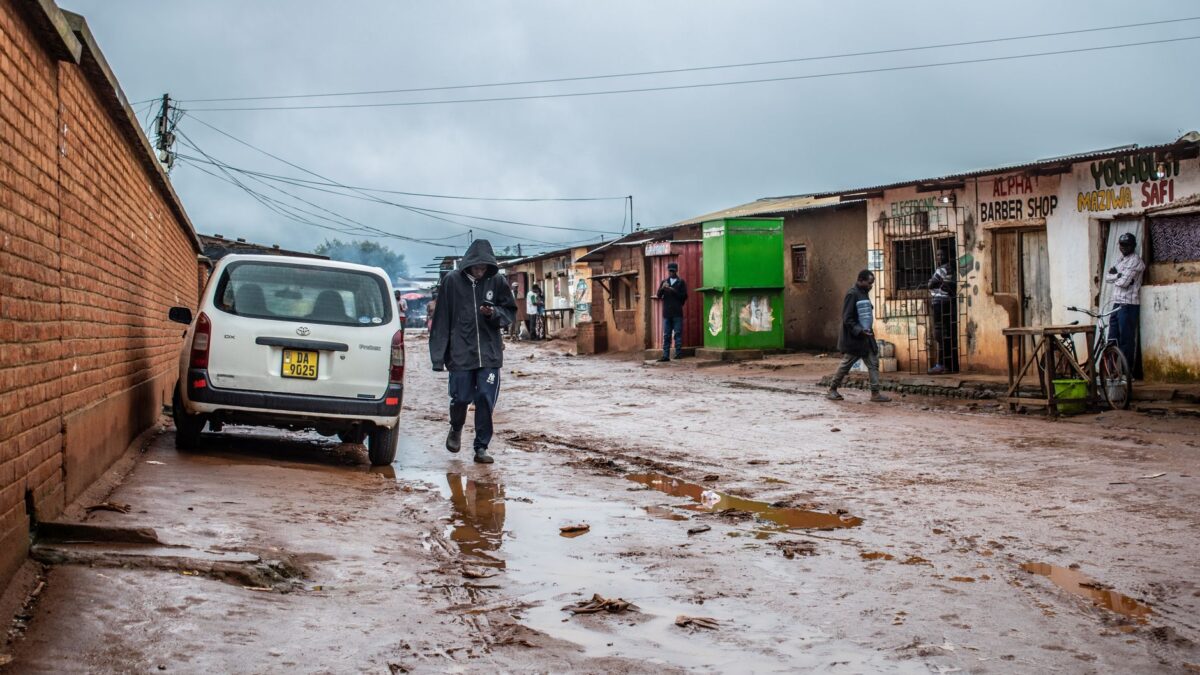
If you step out onto Kampala’s streets this October, the first thing that hits you is the smell: wet earth, charcoal smoke, and the sweet, heavy scent of roasting maize. It is the tail end of the short rains, a season where the city turns a vivid, impossible green and the air feels thick enough to chew. Mornings are bright but sticky, with temperatures hovering around 26°C (feeling closer to 32°C), while afternoons bring sudden, violent downpours that flood the low spots before draining away into the hills. This is not just weather; it is the rhythm of life right now. You will see wild mushrooms (obutiko) appearing in market stalls and the first mangoes (gonja) showing up at roadside stands, signaling that the harvest cycle is turning. Pack light, breathable cotton, but do not forget a sturdy umbrella and shoes that can handle puddles—because even if the sky clears, the roads often remember the rain.
The Season and What It Means for Your Trip
October in Kampala is a study in contrasts. The landscape is lush, almost overwhelming in its vibrancy, making it a beautiful time for photography and outdoor walks. However, the humidity is high, and the heat builds quickly once the sun breaks through the clouds. For travelers, this means planning your major excursions—like trips to the national parks or lakefronts—for the early morning hours when the air is cooler and drier. By midday, the heat becomes oppressive, so schedule indoor activities, museum visits, or lunch breaks during those peak hours.
The rain is unpredictable. One minute you are under a clear blue sky; ten minutes later, you are wading through knee-deep water on Lubigi Wetland. This has been particularly acute this month. Two nights of heavy rain last week flooded city roads, with the Kampala–Hoima highway submerged and commuters forced to wade through rising waters. While cleanup efforts are ongoing, the lesson is simple: never underestimate a drizzle here. If you are staying in the city, expect that some routes may be slow or impassable for a few hours after a storm. Patience is not just a virtue in Kampala; it is a necessity.
Events, Closures, and Local Happenings
There is a lot happening in the capital this month, and knowing what is going on can save you from unexpected detours or help you find unique cultural experiences. First, the Kampala City Festival was relaunched earlier this month on October 4th. Unlike previous years held at Kololo grounds, this year’s event spreads across the CBD streets, offering a vibrant mix of local music, food, and art. It is a great way to feel the pulse of the city, though expect crowds and traffic congestion in the central areas.
For those interested in policy and energy, the Renewable Energy Conference & Expo takes over the Kampala Serena Hotel from October 19–22. This event draws ministerial convoys and international delegates to the Nakasero area, meaning significant traffic restrictions and security checkpoints around the Serena and Nakasero districts during these days. If you have meetings or need to navigate this zone, plan ahead or consider avoiding the area entirely during peak conference hours.
On the agricultural front, PELUM Uganda is hosting its Agroecology Week of Action from October 26–30 at the Africana Hotel. This includes the 16th Indigenous Food and Traditional Seed Fair, which is open to the public and offers a fascinating look at local seed varieties and traditional foods. It is a niche event, but perfect for travelers curious about sustainable agriculture and local cuisine beyond the typical tourist trail.
Transport-wise, keep an eye on roadworks. KCCA is currently tearing up seven busy roads, including Old Kireka Road, Lance Road, and Bukoto Street, for 16 months of rehabilitation. Diversions are in place, and journeys through Wandegeya, Bwaise, and the CBD are significantly longer than usual. Marshals are directing traffic, but delays are guaranteed. Meanwhile, good news for those heading south: the rebuilt Katonga Bridge on the Kampala–Masaka highway was formally commissioned on October 17th, ending three years of detours via Mpigi. Traffic flows normally again on this route, saving hours for anyone traveling to the southwest.
Costs and Daily Expenses
Kampala remains one of Africa’s most affordable cities for daily living, especially if you eat and move like a local. A single minibus ride (matatu) across town costs about UGX 2,000–3,000 (roughly $0.70). A short boda-boda (motorcycle taxi) hop under 2 km is around UGX 2,000–4,000 ($0.80). For meals, street food is incredibly cheap and delicious: a Rolex (chapati rolled with egg and veggies) is UGX 2,000–3,000 ($0.70), and Kikomando (chopped chapati with beans) is UGX 3,000 ($0.80). A proper plate of beans or beef stew with matooke runs about UGX 10,000–13,000 ($3).
If you prefer dining out, a mid-range restaurant dinner for two costs around UGX 99,000 ($26). Coffee at a casual café is UGX 6,000–10,000 ($2.10). Note that minibus fares jumped by UGX 500–2,000 on many routes in August due to government crackdowns on unroadworthy vehicles, so budgets may be slightly higher than pre-2026 estimates. Monthly rent for a modest 1-bedroom flat outside the center is about UGX 680,000 ($180), reflecting the city’s affordability for residents, though hotel rates vary widely and should be checked case-by-case.
Practical Tips for October Arrival
Visa and Registration: Uganda requires an e-visa only—no visa on arrival. Apply at visas.immigration.go.ug. A single-entry tourist e-visa is US$50/90 days. Crucially, since June 10, 2026, NIRA registers all legally resident foreign nationals and issues an Alien Identification Card. If you are staying long-term, pre-register online and enroll in person at Plot 62 Lumumba Avenue. This card is becoming essential for SIM registration and banking.
Connectivity: Buy your SIM at an official MTN or Airtel service center, not a roadside kiosk. Registration now requires biometric verification against your passport and the new NIRA Alien ID. Load data bundles rather than using pay-as-you-go.
Banking: Most daily transactions run through MTN Mobile Money (MoMo) or Airtel Money. Open a bank account if needed, but expect to provide your passport, immigration permit, NIRA Alien ID, and proof of address. Stanbic Bank and Centenary Bank have the best networks.
Safety: Kampala is safe by day, but bag-snatching and phone theft from boda riders are common risks. Keep phones off the street side of the bike. Avoid walking alone in Kabalagala, Kisenyi, or parts of Katwe after dark. Use app-based cabs (SafeBoda, Bolt, Uber) for night travel.
Health: Yellow fever vaccination is mandatory. Ensure your certificate is valid and carried with you. Mosquito protection is still advised, especially in the evenings.
This October, Kampala is alive, green, and bustling with events. Embrace the rain, enjoy the street food, and let the city’s chaotic energy sweep you along. Just keep your umbrella handy and your phone secure.
Frequently asked questions
Is it safe to travel to Kampala in October 2026?
Yes, Kampala is broadly safe during the day. However, exercise caution at night, especially in areas like Kabalagala and Kisenyi. Bag-snatching and phone theft from boda riders are the main risks, so keep valuables secure and use app-based cabs after dark.
Do I need an Alien ID card to stay in Uganda in 2026?
If you are legally resident (work, student, dependent pass), yes. Since June 2026, NIRA requires registration and issuance of an Alien ID card for long-term stays. Tourists on short visits are exempt, but check your permit status.
How much does a meal cost in Kampala right now?
Street food is very affordable, with a Rolex or Kikomando costing around UGX 2,000–3,000 ($0.70–$0.80). A sit-down meal at a mid-range restaurant for two is approximately UGX 99,000 ($26).
Are there any major road closures in Kampala this month?
Yes, KCCA is rehabilitating seven major roads, including Old Kireka Road and Bukoto Street, causing significant diversions and delays. The Kampala–Masaka highway is now open again via the new Katonga Bridge.
What events are happening in Kampala in late October 2026?
The Renewable Energy Conference & Expo runs Oct 19–22 at the Serena Hotel. The Agroecology Week of Action and Indigenous Food Fair take place Oct 26–30 at the Africana Hotel.
Things to do in Uganda
 Special offer
Jinja day tour exploring the source of River Nile
 8-Day Classic Uganda Primates & Wildlife Tour
 Private 3 Day Gorilla Trekking Safari in Uganda
 Unforgettable 3 days Murchison falls.
 14 Days Uganda Safari Adventure, Gorilla Trekking and WildlifeTour
 Private 2 days Murchison Falls and Wildlife Game Viewing