

From the airport into Bucharest: every option and what it costs
The sliding doors of Henri Coandă (Otopeni) Airport don’t just separate you from the chill of a mid-October Romanian afternoon; they mark the threshold of a city that is currently holding its breath. It is late October in Bucharest, and the air smells of damp earth and grape must. The city has fully retreated indoors for its winter season, with the 36th National Theatre Festival taking over every corner of the cultural landscape and pilgrims queuing at the Patriarchal Cathedral for the relics of Saint Dimitrie cel Nou. But before you can join the crowds at the Scenography Biennale or duck into a cozy café on Strada Polonă in Dorobanți, you have to survive the twenty kilometers from the airport to the centre. Traffic is crawling right now—DN1 is narrowed by roadworks near the future Bruxelles metro station—but your options are clear, provided you know where to look.
The Metro: The Only Honest Choice
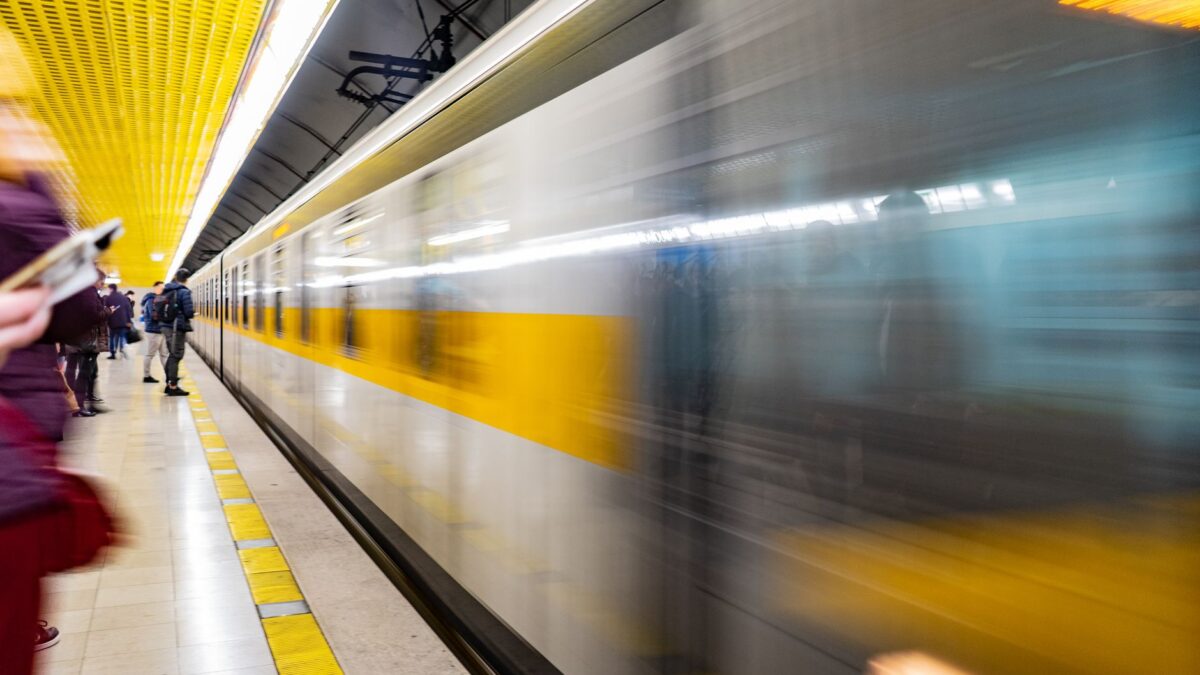
If you value your time and your dignity, start here. Bucharest’s metro system, operated by Metrorex, is the backbone of the city, and it extends directly out to the airport via the M1 line. This is not a tourist shuttle; it is how locals commute, whether they are students heading to Polytechnic in Grozăvești or diplomats returning from Herăstrău Park. The journey takes roughly 30 minutes, which, given the current traffic snarls on DN1, is often faster than any car could manage.
Getting started requires a card called the Activ. You will find kiosks inside the arrivals hall where you can buy this reusable card for about 3.70 RON and load it with credit. A single ride on the metro costs around 7 RON (roughly $1.50). If you plan to stay longer, there is an integrated monthly pass covering both the metro and the surface buses/trams (STB) for about 196 RON ($45), though for a short visit, a “Tourist Travel Pass” offers 72 hours of unlimited travel for approximately 40 RON. You can also simply tap a contactless Mastercard or Visa directly on the turnstiles, which is incredibly convenient if you have forgotten your Activ card. Just remember: the metro stops running around 23:00, so if you land late, you will need to switch to a different mode.
Buses: Direct but Unpredictable
For those who prefer to stay above ground, the STB bus network offers direct routes to the city centre, specifically the Piata Universitatii hub. Bus 780 is the most common choice, connecting Otopeni to the heart of the city. However, I must be honest with you: during this period of construction on DN1, the bus is fighting for space in two lanes instead of three. While the fare is cheaper—a single ticket is about 3 RON ($0.70)—the journey time can balloon. In good weather, it might take 45 minutes; today, with light rain and roadworks, expect it to take closer to an hour or more. The bus drops you off right next to Cismigiu Garden, placing you within walking distance of the Romanian Athenaeum and the bustling Old Town (Lipscani). It is a budget-friendly option, but only if you are not rushing to catch a show at Teatrul de Comedie.
Taxis and Ride-Hailing: Avoid the Counters
This is where many visitors make their first mistake. Inside the terminal, you will see taxi drivers waving signs and offering rides. Do not get in. These are often unregulated operators looking to charge tourists premium rates. Instead, use the app-based services Bolt or Uber. They are ubiquitous in Bucharest, transparent in pricing, and significantly safer. You can hail a ride from anywhere outside the terminal, and the driver will meet you at a designated spot. For a trip to the Old Town or Dorobanți, you should pay between 40 and 60 RON ($9-$13), depending on demand and traffic. The advantage here is clarity: you know the price before you move, and you can track your route in real-time. Given the current congestion near the airport due to the M6 metro works, having a dedicated driver navigating the detours can be a relief after a long flight.
Private Transfers: Luxury for the Heavy Luggage
If you are traveling with a group, have heavy equipment for the theatre festival, or simply want to avoid the hassle of apps and cash, a private transfer is worth the investment. Companies like Welcome Pickups or local operators offer fixed-price pickups where a driver holds a sign with your name. Expect to pay between 100 and 150 RON ($22-$33) for a standard sedan to the city centre. This service provides door-to-door convenience, often including assistance with luggage, and ensures you are met immediately upon arrival. It is particularly useful if you are heading north to Pipera or Băneasa, where the corporate hotels and expat families reside, as the proximity to the airport makes this a very quick, albeit expensive, hop.
Navigating the City Once You Arrive
Once you have shed the airport stress, Bucharest reveals itself in layers. If you are staying in the historic Centre Vechi, you can walk off the cobblestones of Strada Lipscani and find yourself at the Stavropoleos Monastery, a quiet 18th-century sanctuary amidst the nightlife. From there, the Palace of the Parliament looms large; if you book a tour in advance, it is a humbling experience of Ceaușescu-era excess. For a change of pace, head west to Cotroceni to see the Presidential Palace and the Botanical Garden, or east toward the Village Museum in Herăstrău Park to see traditional wooden houses from across Romania.
Dining in Bucharest remains remarkably affordable compared to Western Europe. An inexpensive meal at a local spot will set you back about 35-45 RON ($9), while a proper dinner for two at a mid-range restaurant runs around 264 RON ($55). Don’t miss the coffee culture; a cup at a specialty shop like Twenty Eight or Human Coffee costs roughly 8-10 RON ($2), giving you plenty of room to linger and people-watch. As evening falls, the city lights up. Whether you are watching a performance at the National Art Museum’s Sala Oglinzilor or grabbing a drink in the student quarter of Grozăvești, the energy is palpable. Just be mindful of safety in the Old Town after midnight; stick to well-lit streets and avoid touts, using Bolt to get home safely.
Bucharest is a city of contrasts—Belle Époque boulevards next to communist brutalism, ancient churches beside modern IT hubs. Getting there doesn’t have to be stressful. Choose the metro for speed, a reputable app-taxi for balance, or a private transfer for ease, and step into a capital that is vibrant, complex, and utterly alive.
Frequently asked questions
How much does a taxi cost from Otopeni Airport to Bucharest centre?
Avoid counter taxis. Use Bolt or Uber for transparency, paying approximately 40-60 RON ($9-$13) depending on traffic and demand.
Is the metro open from the airport to the city?
Yes, the M1 line runs directly from Otopeni to Piata Nordului. A single ride costs about 7 RON ($1.50) using an Activ card or contactless payment.
What is the best way to get to Dorobanți or Floreasca from the airport?
A private transfer or Bolt/Uber is recommended for these northern districts. The metro requires a transfer at Piramide or Dristor, making car services faster for this specific destination.
Are there direct buses from the airport to the Old Town?
Yes, Bus 780 goes to Piata Universitatii near the Old Town. It costs about 3 RON ($0.70) but may be slower due to current roadworks on DN1.
Things to do in Romania
 Bucovina Painted Monasteries Day Tour
 Timisoara All in One - Walking and Tram Tour
 Private Walking Tour: Essential Bucharest + Hidden Gems
 Special offer
Contrasts of Communism - Small Group Walking Tour in Bucharest
 Bran (Dracula) Castle, Bear Sanctuary, Rasnov Fortress & Palinca Distillery
 Private Tour to Dracula's Castle, Peles Castle from Bucharest