

Montenegro etiquette: the dos and don’ts
The morning mist still clings to the confluence of the Morača and Ribnica rivers as you step onto Adži-paša’s Bridge. It is one of those rare moments in Podgorica when the city feels less like a capital and more like an ancient village. Here, in Sastavci, time moves at the pace of the water. But as you walk toward the narrow lanes of Stara Varoš, past the Ottoman Sahat kula clock tower that survived two world wars while everything else around it was erased, you realize that Montenegro operates on its own rhythm. To truly connect here, you must learn to listen to the unspoken rules. This is not about rigid protocol; it is about respect for a culture that values warmth, hospitality, and genuine human connection above all else.
Greetings: The Art of the Handshake and the Eye Contact
In Montenegro, a casual nod is often considered too distant, even among friends. When you meet someone, whether in a café in City Kvart or a tavern in Stara Varoš, offer a firm handshake with direct eye contact. Breaking eye contact quickly can be interpreted as evasiveness or dishonesty. For women, a kiss on both cheeks is common if you have already established a rapport, but wait for your host to initiate it. Always use titles—Gospodin (Mr.) or Gospođa (Mrs.)—until invited to use first names. Montenegrins take pride in their identity, so showing interest in their history and local achievements is a quick way to build trust. If you are visiting during the Catholic All Saints’ Day (Svi Sveti) on November 1st, remember that many businesses may close early or shut down entirely as families gather to honor ancestors. Respect this pause in daily life by keeping your voice low and your movements deliberate in public spaces.
Dining: Coffee Culture and the ‘Račun’ Ritual
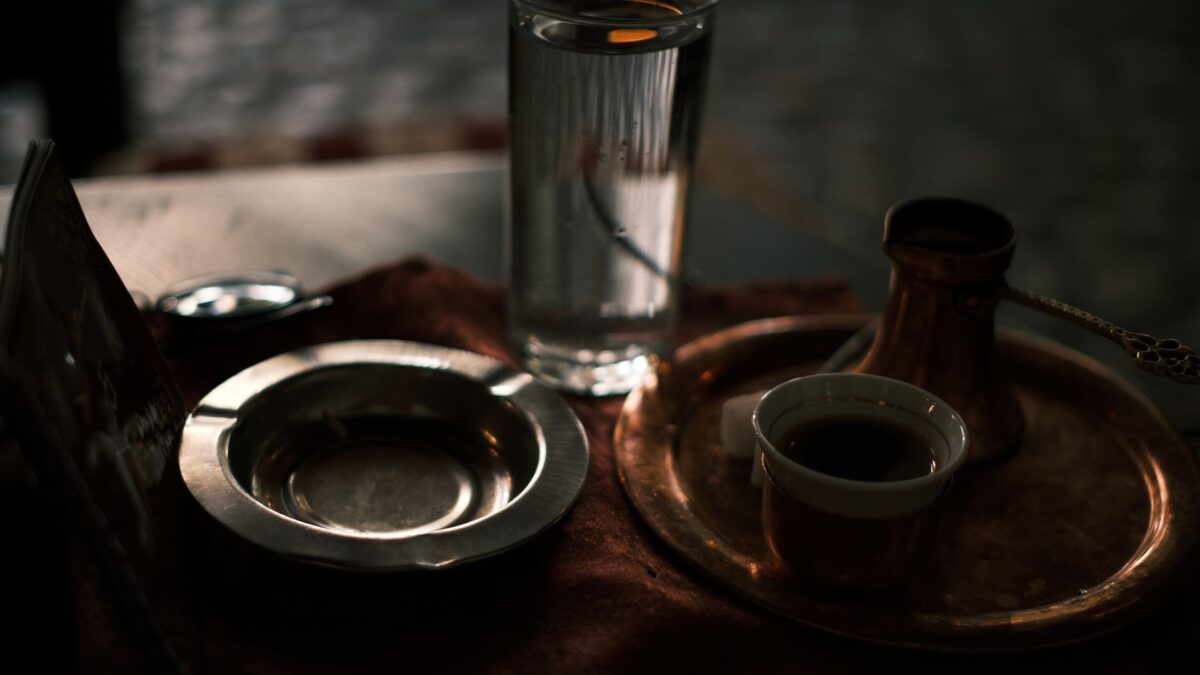
You cannot understand Montenegro without understanding coffee. It is not merely a beverage; it is a social institution. Whether you are at Coffee Circus Drži Prži or grabbing a cappuccino for roughly €2.00–2.25 at a corner spot, never rush your drink. Sit for at least twenty minutes. Engage in conversation. Leaving immediately after ordering is seen as cold. When dining, especially in traditional konobe like Konoba ‘Lanterna’, expect generous portions. Bread is often free upon seating; do not refuse it, as it is a sign of welcome. Tipping is appreciated but not strictly mandatory in the same way it is in the US. Rounding up the bill or leaving 10% is standard for good service. However, always ask for the check (račun) explicitly. In some places, staff will bring it only when asked, waiting for you to signal you are finished.
When paying, note that while credit cards are widely accepted in Vectra and City Kvart, smaller establishments or rural taverns may prefer cash. The currency is the euro, used unilaterally. A meal at an inexpensive local restaurant costs about €10 per person, while a three-course dinner for two at a mid-range place runs around €45. These prices reflect a reality where rents in the city centre are rising sharply—around €575 monthly for a modest flat—but the cost of living remains relatively low compared to Western Europe. Be mindful of this economic squeeze; locals appreciate tourists who spend fairly and avoid haggling over trivial amounts in fixed-price shops.
Dress Code: Smart Casual and Sacred Spaces
Podgorica is surprisingly stylish. In the evening, head to the glass-and-pavement quarter of City Kvart or stroll along Bulevar Svetog Petra Cetinjskog in Preko Morače. You will see locals dressed smartly—collared shirts, dresses, clean shoes. While you do not need formal wear, looking sloppy may mark you as an outsider who does not respect the space. Avoid wearing beachwear or overly revealing clothes in the city centre unless you are heading directly to Lake Skadar National Park, which begins just 20 km south. If you visit religious sites, such as the Cathedral of the Resurrection of Christ in Novi grad or the monasteries in Ostrog, dress modestly. Shoulders and knees must be covered. Women may need a scarf to cover their heads in Orthodox churches, though this is less strictly enforced in cathedrals than in remote mountain monasteries. Remember, summer highs can push 40°C, making midday walking risky; dress for comfort but maintain dignity.
Social Customs: Hospitality and the ‘Kafana’ Etiquette
Hospitality (gostoprimstvo) is sacred. If you are invited into a home, bring a small gift—wine, chocolates, or flowers. Never arrive empty-handed. Once inside, remove your shoes if the host does so. In social settings, particularly in the kafanas of Stara Varoš, you may find yourself offered rakija (fruit brandy). Refusing can be offensive; accept a small shot as a gesture of goodwill. Conversations are passionate and animated. Interrupting is not necessarily rude if it shows engagement, but raising your voice in anger is frowned upon. Politics is a frequent topic, especially regarding EU accession reforms and the recent wage-raising ‘Euro model’ discussions. Listen more than you speak, and avoid criticizing local traditions or leadership aggressively. Instead, ask questions. Montenegrins love to explain their unique position between East and West.
When navigating the city, use public buses run by Gradski saobraćaj PG. A single ticket is about €0.90 and valid for 90 minutes. Keep your ticket until you exit, as inspectors frequently check. If you take a taxi, agree on the fare beforehand or use a dispatch app to avoid unmarked cars. Violent crime is rare, but pickpockets can be active on crowded buses near the station. Always keep your belongings secure. Emergency number is 112. If you are staying longer-term, remember that every foreign guest must be registered with the police within 12–24 hours of arrival. Your accommodation provider usually handles this, but keep the paper slip safe. It is essential for banking, telecoms, and health services.
Small Customs That Matter: Punctuality and Phone Use
Time is flexible in Montenegro, especially socially. If you are invited to a dinner at 8 PM, arriving at 8:15 or 8:30 is normal and expected. Being exactly on time can sometimes imply you are in a hurry to leave. However, for business meetings or official appointments at institutions like NLB Banka or the Ministry offices in Vectra, punctuality is crucial. When dining out, do not start eating until everyone has been served and the host has initiated the meal. Phones should be kept on silent. Checking your phone constantly during a conversation is seen as dismissive. Montenegrins value face-to-face interaction deeply. Put the device away and focus on the person in front of you.
Finally, show appreciation for nature. Whether you are hiking Gorica hill, kayaking the Morača, or exploring the Cijevna canyon, leave no trace. Locals are proud of their landscape, from the Dalmatian pelicans at Lake Skadar to the peaks of Prokletije. Treat it with care. By following these simple guidelines, you move from being a tourist to being a welcomed guest. You become part of the story, however briefly. And in Montenegro, that is the highest compliment you can receive.
Frequently asked questions
Is tipping expected in Montenegro restaurants?
Tipping is appreciated but not strictly mandatory. Rounding up the bill or leaving 10% is standard for good service. Always ask for the check ('račun') before leaving.
What is the appropriate dress code for visiting churches in Podgorica?
Dress modestly with shoulders and knees covered. Women may need a scarf to cover their heads in Orthodox churches, though this is less strictly enforced in large cathedrals.
How do I register my stay as a tourist in Montenegro?
Every foreign guest must be registered with the police within 12–24 hours of arrival. Your accommodation provider usually files this, so keep the paper slip safe for banking or telecom needs.
What is the cost of a coffee in Podgorica?
A cup of coffee or cappuccino typically costs between €2.00 and €2.25 in local cafés, reflecting the city's strong coffee culture.
Can I use euros in Montenegro?
Yes, Montenegro uses the euro unilaterally. It is outside the Schengen zone but accepts euros for all transactions, though visa-free entry allows stays up to 90 days for many Western passport holders.
Things to do in Montenegro
 Nevidio Canyoning
 Private tour: Homemade food and wine tasting at my family home
 Kotor private cooking class with lunch and Old town guided tour
 Private transfers from Podgorica Airport and city to Budva
 Special offer
Lady of the Rocks & Perast Old Town Private Tour (up to 5 people)
 Exciting And Historical Perast - Private tour