

A week in Belgrade on a mid-range budget
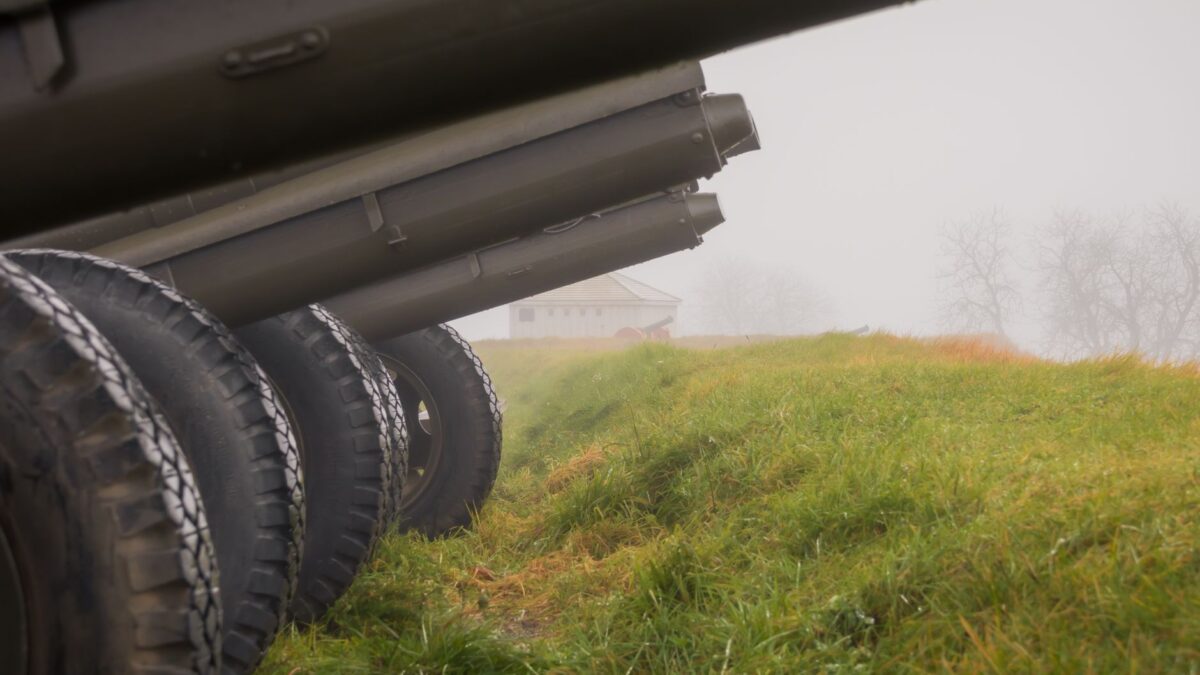
The fog sits heavy over the confluence of the Sava and Danube in late October, blurring the sharp edges of the fortress walls. It is that specific Belgrade time—the air smells of roasting chestnuts and damp stone, and the rakija distilleries are humming with activity. As a local, I have watched this city transform. The gardens of the kafanas are thinning out as we move indoors, but the energy remains. If you are planning a week here on a mid-range budget, you will find that the ‘free’ public transport has reshaped the city’s financial logic, even if bakery prices have climbed.
Getting Settled: The Cost of Home Base
Your week begins with finding your footing. In Stari Grad (Old Town), where the 2,000-year-old core meets Knez Mihailova pedestrian spine, accommodation commands a premium. While I cannot verify exact nightly rates for boutique stays like Boutique Hotel Museum or Hotel Calisi for this specific week without risking inaccuracy, the general market suggests a comfortable stay in central Belgrade will likely run between €100 and €150 per night. This places you within walking distance of Republic Square and the National Theatre.
If you want to feel the city’s pulse without the tourist price tag, look toward Dorćol. Between Kalemegdan and the Danube, this district—named from the Turkish word for ‘crossroads’—offers a blend of historic elegance and industrial creativity. You might find better value near the Silosi art space or Strahinjića Bana boutiques. Regardless of where you stay, remember the administrative rule: every foreigner must register their address at the local MUP police station within 24 hours. Your hotel handles this, but if you rent privately, ensure your landlord accompanies you to the station with their property deed to avoid tax complications.
Transit and Movement: The Free City
This is the most significant change for travelers arriving today. Since January 1, 2025, regular bus, tram, trolleybus, and BG Voz commuter train services are entirely free. There is no ticket to buy, no card to reload. You simply board. This makes commuting unusually cheap and allows you to hop between districts without checking your wallet.
However, do not assume the network is static. If you plan to cross to Novi Beograd, be aware that tram lines 7L, 9L, and 13 remain cancelled due to works on the Novi Beograd station complex. You must use the temporary 7L1/9L1 trams over Most na Adi or the circular bus 7A instead. Similarly, roadworks on Dunavska street are rerouting buses 26, 26N, and 401N toward Dorćol, with a temporary terminus in Dubrovačka. These works end around October 21st, so timing is everything.
For short hops across the centre when you are tired, a taxi ride costs roughly 800–1,500 RSD (about $2.5). Always use the CarGo app or ask your hotel to order a cab; skip unlicensed cars at the kerb. The main intercity bus station moved to New Belgrade in September 2024, and long-distance trains use Beograd Centar (Prokop), which is not adjacent to the old town, so plan your transfers carefully.
Feeding Yourself: The Real Budget Drainers
While transit is free, food and cafe prices have climbed sharply, becoming a running complaint among locals. Bakeries are expensive. A single portion of burek (meat pie) for breakfast runs 400–410 RSD (roughly $4), and a loaf of fresh white bread is about 120 RSD ($1.1). Milk is around 150 RSD ($1.4). These small items add up quickly.
For lunch, an inexpensive local restaurant serving grilled meat plates or pljeskavica with sides costs about 1,250–1,500 RSD ($13). A proper lunch at a mid-range spot will set you back 1,500–2,500 RSD ($18). Dinner is where the experience shines. A three-course dinner for two at a mid-range restaurant, excluding drinks, costs approximately 5,900–6,000 RSD ($55).
Coffee culture is non-negotiable. A cup at a specialty café in Stari Grad, such as Artist Specialty Coffee, Dusha Specialty Coffee, or DRIP Specialty Coffee, costs between 300–450 RSD ($3). It is cheap by global standards but pricey for the average Serbian wage. Local draft beer (0.5 litre) in a bar or kafana is similarly priced at 350–390 RSD ($3).
A Week in the Wallet: Day-by-Day Breakdown
Let’s anchor these numbers to a realistic itinerary. We assume a mid-range hotel room costing roughly $120 per night, totaling $840 for six nights. Now, let’s look at daily spending.
Day 1: The Fortress and Skadarlija
You start at the Belgrade Fortress & Kalemegdan Park. Entry is free. Walk down to Skadarlija, the cobblestone bohemian quarter known as ‘the Montmartre of Belgrade’. Here, tamburica bands play table-to-table. A modest meal of ćevapi and a drink might cost 2,000 RSD ($18). Evening coffee at Simbol specialty coffee shop: 400 RSD ($3.5). Total daily spend: ~$22 + transit (free).
Day 2: Museums and Mirrors
3>
Visit the Nikola Tesla Museum on Krunska Street. Tickets vary, but allow for a modest entry fee. Afterward, wander through Dorćol to Bajloni farmers’ market. Lunch at Zavičaj Balkanska or Restoran Mihailo: 1,500 RSD ($14). Coffee at LUMI – Specialty Coffee: 400 RSD ($3.5). Total daily spend: ~$20 + transit (free).
Day 3: Cultural Festivals
October is peak cultural season. The 42nd Belgrade Jazz Festival runs at Dom omladine, opening October 21st with Ana Popović, while the flagship classical festival BEMUS fills venues across the city. Concert tickets range widely, but expect to pay 1,500–3,000 RSD ($13–$28) for a standard seat. Dinner at a mid-range spot: 2,500 RSD ($22). Total daily spend: ~$45 + transit (free).
Day 4: Zemun and the River
Take the free tram to Zemun. Note that Slavonska street water/sewer reconstruction closes the section between Cara Dušana and Pregrevica, cutting through-routes. Visit the Gardoš Millennium Tower. Lunch in Zemun is slightly cheaper than downtown. Return via the river ferry or tram. Evening splavovi (river club) entry may require a minimum spend or cover charge, often 2,000–4,000 RSD ($18–$35). Total daily spend: ~$40 + transit (free).
Day 5: Vračar and Relaxation
Spend the day in Vračar, visiting the Temple of Saint Sava and the Nikola Tesla Museum if missed earlier. Lunch at Kalenić Pijaca area cafes: 1,500 RSD ($14). Coffee break: 400 RSD ($3.5). Total daily spend: ~$19 + transit (free).
Day 6: Savamala and Shopping
Explore Savamala, the creative district reshaped by the Belgrade Waterfront project. Graffiti, galleries, and riverside paths. Lunch at Mezestoran Dvoriste: 1,500 RSD ($14). Afternoon shopping at Ušće or Delta City malls. Dinner at a rooftop bar overlooking the confluence: 2,500 RSD ($22). Total daily spend: ~$38 + transit (free).
Day 7: Departure Prep
Last-minute souvenirs and final coffee. Breakfast burek: 400 RSD ($3.5). Lunch: 1,250 RSD ($11). Taxi to airport (Bus 72 is free, but luggage might make a taxi preferable): 1,500 RSD ($13). Total daily spend: ~$20 + transit (free).
Total Estimated Weekly Cost: $840 (hotel) + ~$200 (food/drink/events) = ~$1,040. This is a comfortable, safe, and immersive experience. If you stay further out or eat more from bakeries, you can drop this significantly, but you miss the heart of Belgrade.
Practicalities for the Smart Traveler
Belgrade is generally safe by European capital standards, but watch your pockets on Knez Mihailova, trams 2 and 7, and at Zeleni Venac market. Splavovi clubs are rowdy rather than dangerous. Since Serbia permits indoor smoking in bars and kafanas, request outdoor seating if you prefer fresh air.
Visa-free entry applies for US, UK, EU, Canadian, Australian, Japanese, Brazilian, Russian, Ukrainian, and many others for 90 days in any 180-day period. EU/EEA citizens can enter on a national ID card. Holders of valid Schengen, UK, US, or EU visas also enter visa-free. Note: Serbia does not recognize Kosovo entry stamps, so exit via Montenegro or North Macedonia if coming from there.
Banking is straightforward. Banks like Banca Intesa, Raiffeisen Bank, UniCredit, Erste Bank, OTP, AIK Banka, and Poštanska štedionica are reliable. Non-residents can open accounts with a passport, though approval takes 1–3 business days and cards arrive in 7–10 days. Basic fees are 200–500 RSD/month. For mobile data, buy a prepaid SIM from mts, Yettel, or A1 at the airport or downtown kiosks. You need your passport for registration. EU roaming does not apply, so a local SIM is essential.
Belgrade in late October is moody, beautiful, and alive. The festivals are buzzing, the food is rich, and the city is free to explore. Embrace the fog, the chestnuts, and the endless cups of coffee. It is a place that rewards those who linger.
Frequently asked questions
Is public transport free in Belgrade?
Yes, since January 1, 2025, all regular buses, trams, trolleybuses, and BG Voz commuter trains are free to ride with no ticket or card required.
What is the cost of a meal in Belgrade?
An inexpensive meal like pljeskavica costs 1,250–1,500 RSD ($13), while a three-course dinner for two at a mid-range restaurant is about 5,900–6,000 RSD ($55).
Do I need a visa for Serbia?
Citizens of the US, UK, EU, Canada, Australia, Japan, Brazil, Russia, and Ukraine can enter visa-free for up to 90 days in any 180-day period.
Are there transport disruptions in October?
Tram lines 7L, 9L, and 13 to Novi Beograd are cancelled until December 2026. Roadworks on Dunavska street reroute buses 26, 26N, and 401N until October 21st.
How much does coffee cost in Belgrade?
A cup of coffee at a specialty café in central Belgrade costs between 300–450 RSD (approximately $3).


