

A week in Kampala on a mid-range budget
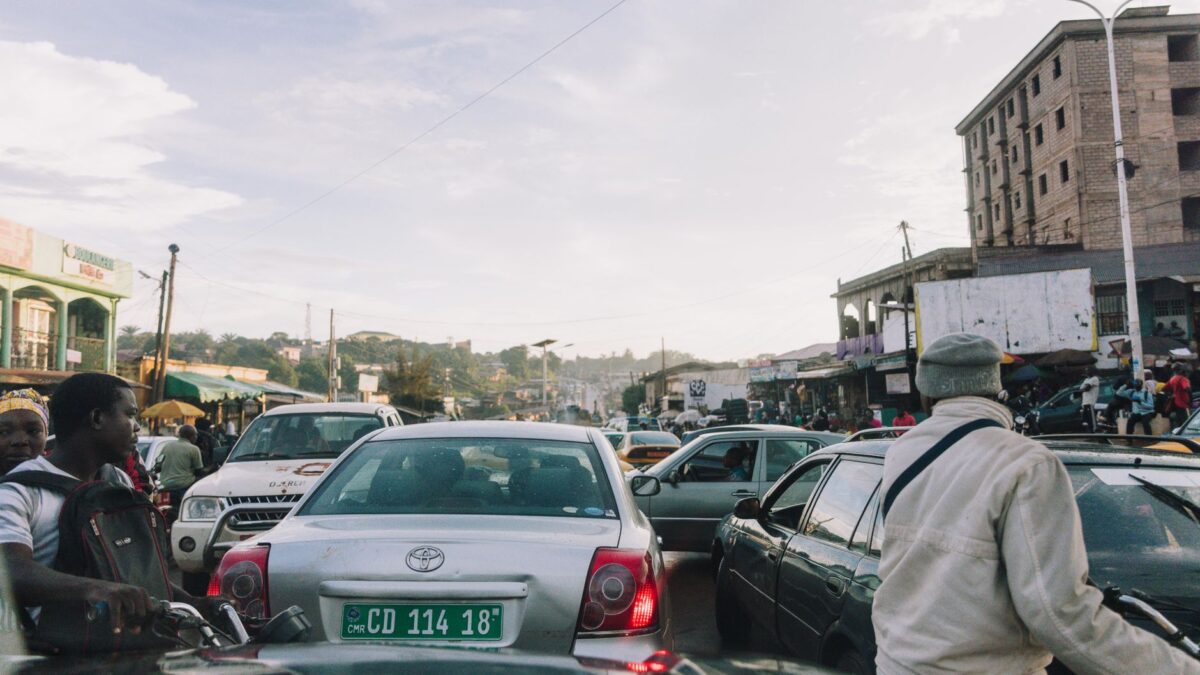
There is a specific kind of humidity in Kampala right now. It hangs heavy over the hills, turning the air into something you have to push through. If you are here this week, you have likely noticed the mud. The short rains have been relentless, flooding roads into the city centre and swamping the trading hubs of Owino and Kisenyi. But beneath the grey skies and the churned-up earth, Kampala pulses with its usual stubborn energy. You are standing on the ‘hill of the impala,’ a city built on seven hills where colonial villas sit alongside bustling markets and diplomatic enclaves.
Traveling on a mid-range budget in Uganda is less about stretching dollars and more about navigating shillings. With inflation holding steady at around 3.6% and the exchange rate hovering near 3,757 UGX to the US dollar, your money goes further than you might expect—if you know where to look. This isn’t a city for luxury; it is a city for experience. Here is how to spend seven days in Kampala without breaking the bank, anchored in real prices and local reality.
Where to Sleep: Neighborhoods and Nightly Rates
Accommodation is tricky to pin down because hotel rates fluctuate wildly based on season and security alerts. However, if you are looking for stability and value, the location dictates the price. Kololo, the diplomatic hill, is quiet and expensive, home to embassies and high-end residences like those near Acacia Mall. It is safe, but you will pay a premium for that silence.
For a mid-range traveler, Ntinda or Kisaasi offer better value. These areas are middle-class trading centres with a strong ‘kafunda’ (local grocery) economy. A modest one-bedroom flat outside the centre rents for roughly UGX 680,000 a month, which gives you a sense of baseline costs. For hotels, places like The Choate Boutique Hotel or Villa Kololo often provide good service, though you should check current availability directly. Avoid Kabalagala for accommodation; while it is the 24-hour party district on Ggaba Road, it is also the area with the most late-night street crime. Locals do not walk there after dark.
Getting Around: Matatus, Boda Bodas, and Apps
Kampala has no metro, no train, and no unified transit card. You pay per trip, and the weather dictates your method. On a sunny day, you can walk between hills. When the rain comes—as it did heavily this past week—you need wheels.
Your primary option is the shared minibus, known locally as a ‘taxi’ or ‘matatu.’ These are the 14-seater vans that swarm every corner. A single fare across town typically runs between UGX 2,000 and UGX 3,000 (about $0.70). Be aware that fares jumped by UGX 500–2,000 on many routes recently due to government crackdowns on unroadworthy vehicles, so be prepared to pay slightly more than you might have last year. For commuters, operators sometimes accept informal monthly passes around UGX 69,000, but as a visitor, you will pay per ride.
For shorter hops under two kilometers, use a boda boda (motorcycle taxi). Prices range from UGX 2,000 to UGX 4,000 ($0.80). Safety is paramount: keep your phone on the inside of the bike, away from the curb, to avoid snatching. If you prefer comfort, apps like SafeBoda (which provides helmets), Bolt, and Uber are reliable and widely used by expats and locals alike.
Eating Like a Local: Street Food to Mid-Range Dining
Ugandan cuisine is hearty, affordable, and deeply satisfying. You do not need to eat at five-star restaurants to enjoy the best flavors. The street food scene is your greatest asset.
Start your mornings or quick lunches with a Rolex. This is not the watch; it is a chapati rolled around a scramble of eggs and vegetables. Sold at almost every corner stall, a Rolex costs between UGX 2,000 and UGX 3,000 ($0.70). Another classic is Kikomando, chopped chapati mixed with beans, priced around UGX 3,000 ($0.80). These meals are filling, cheap, and delicious.
For a proper sit-down meal, look for a local plate of beans or beef stew served with posho (maize flour) or matooke (steamed plantains) and greens. At casual eateries or via delivery apps like Glovo, these plates cost between UGX 10,000 and UGX 13,000 ($3). If you want a break from local staples, head to Bugolobi, specifically Kimathi Avenue, where there is a strong cluster of Indian, Chinese, and Ethiopian restaurants.
For a mid-range evening out, a three-course dinner for two at a restaurant like Cantine Divino or La Cabana Restaurant might set you back around UGX 99,000 ($26). Coffee culture is growing too; a cup at a place like Endiro Coffee or Wild Coffee Bar will cost you UGX 6,000 to UGX 10,000 ($2.10). A cold Nile Special or Club beer from a bar tabler is roughly UGX 4,000–5,000 ($1.20).
A Week of Sightseeing: Culture, History, and Hills
Kampala’s attractions are clustered on hills, making them perfect for walking or short boda rides. Here is a realistic itinerary for a week, focusing on value and depth.
- Old Kampala & Mengo: Start at the Gaddafi National Mosque on Old Kampala Hill. Non-Muslims can tour and climb the minaret for a 360-degree view of the city. Entry is about US$7. Nearby, explore the historic Indian quarter. In Mengo, visit the seat of the Buganda Kingdom. The Kabaka’s Palace and Lubiri are significant cultural sites.
- Kasubi Tombs: A UNESCO World Heritage site, this is the royal burial ground of four Buganda Kabakas. The main structure was rebuilt after a fire in 2010. Entry is approximately US$20. Dress modestly. It is a profound site of history and spiritual significance.
- Uganda Museum: Located in Kitante, this is East Africa’s oldest museum. It features ethnographic galleries, traditional instruments, and an outdoor cultural village. Entry is roughly US$4. It provides excellent context for the country’s diverse ethnic groups.
- Ndere Cultural Centre: In Ntinda, catch a performance by the Ndere Troupe. This is the standard ‘authentic culture night,’ featuring pan-Ugandan dance, drumming, and music. Afterward, dine at their garden restaurant, which serves dishes from across the country.
- Markets: Visit Nakasero Market for fruit, vegetables, and coffee—it is contained and easier to navigate than the giant Owino Market. Owino is chaotic, pickpocket-heavy, but an essential dose of Kampala’s trading life. Go early, keep your wits about you, and buy second-hand clothing or produce.
- Relaxation: For a quiet moment, visit the Baha’i House of Worship on Kikaaya Hill. It is free, domed, and surrounded by quiet gardens—one of the calmest spots in the city.
Practicalities: Money, Safety, and Current Realities
Currency: Carry small denominations of Ugandan Shillings. While cards work in upscale hotels and malls, daily life runs on cash and mobile money. Register for MTN Mobile Money or Airtel Money immediately; these wallets process more everyday value than physical cards.
Safety: Kampala is broadly safe during the day. However, bag-snatching and phone theft from boda riders are common risks. Police emergency numbers are 999 and 112. Be vigilant in taxi parks and areas like Katwe or Kisenyi at night. Recent ‘disruptive operations’ by police mean more checkpoints and stop-and-searches, so carry your passport copies.
Health & Entry: Ensure you have your yellow fever certificate; it is mandatory. Uganda uses an e-visa system only. If you are a long-term resident, note that since June 2026, NIRA requires all foreign nationals to register and obtain an Alien Identification Card. Short-term tourists are exempt from this registration but must have a valid visa and passport.
Weather Note: With heavy showers expected, pack an umbrella. Rain turns murram side roads to mush and can cause boda boda prices to spike. Embrace the rhythm of the city: when it rains, you wait; when it stops, you move.
Kampala is not a polished gem, but it is alive. It is a city of sharp contrasts, deep history, and incredible warmth. Navigate it with respect, keep your shillings handy, and let the hills guide you.
Frequently asked questions
How much does a meal cost in Kampala?
Street food like a Rolex or Kikomando costs about UGX 2,000–3,000 ($0.70–$0.80). A local plate of beans or beef stew with posho averages UGX 10,000–13,000 ($3). A mid-range restaurant dinner for two is around UGX 99,000 ($26).
What is the best way to get around Kampala?
There is no public transit card. Use shared minibuses ('matatus') for UGX 2,000–3,000 per ride, or boda bodas for short hops at UGX 2,000–4,000. Apps like SafeBoda, Bolt, and Uber are reliable for cars.
Is Kampala safe for tourists?
Kampala is generally safe during the day. Main risks are bag-snatching and phone theft, especially from boda riders. Avoid walking in Kabalagala or Kisenyi at night. Keep phones away from the street side of bikes.
Do I need to register with NIRA as a tourist?
No. Since June 2026, NIRA requires long-term residents (work permits, students) to register for an Alien ID. Visitors on short-term stays are exempt from this registration.
Things to do in Uganda
 Jinja day tour exploring the source of River Nile
 Private 3 Day Gorilla Trekking Safari in Uganda
 8-Day Classic Uganda Primates & Wildlife Tour
 Unforgettable 3 days Murchison falls.
 14 Days Uganda Safari Adventure, Gorilla Trekking and WildlifeTour
 Private 2 days Murchison Falls and Wildlife Game Viewing