

Indonesia in October 2026: what travelers should know now
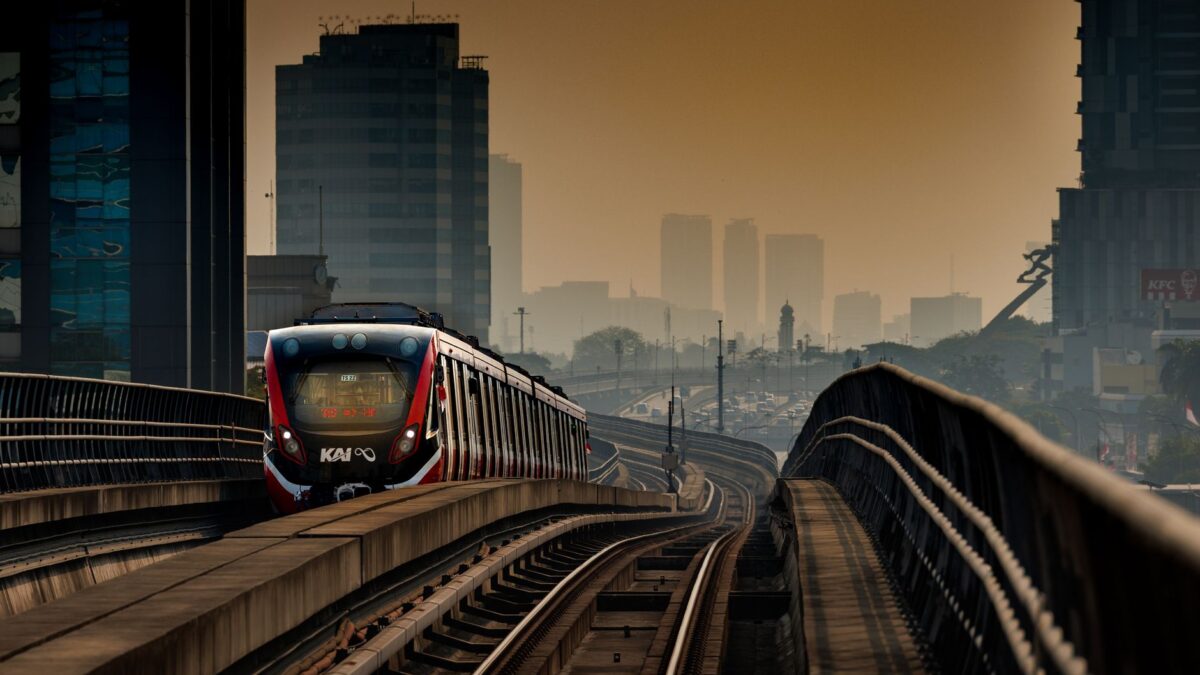
The air in Jakarta right now has a specific texture. It is late October, and the city is holding its breath between the dry heat of the season’s end and the first pre-monsoon downpours. The light through the afternoon haze is turning that familiar grey-yellow, a dusty curtain that softens the edges of the SCBD skyline but makes the sun feel much hotter than it is. If you are arriving this week, or planning to for the next few weeks, you are stepping into a capital city that is adjusting to its new reality—economically vibrant but politically shifted—and dealing with weather that demands respect.
Weather and Packing: The Haze and the Heat
Today, the thermometer is pushing 35°C, but the humidity makes it feel like 40°C. You will see people moving fast under umbrellas not just for shade, but for protection against the occasional light drizzle that catches commuters off guard. The biggest concern right now is the air quality. Smoke from forest fires in Sumatra and Kalimantan has drifted over Greater Jakarta, leaving PM2.5 readings in the ‘moderate to unhealthy’ range at several monitoring stations. While the smoke plume began easing after October 17, the local air remains poor.
What this means for you: Pack lightweight, breathable linen or cotton. Bring a high-quality N95 or KN95 mask—not just for traffic dust, but for the current atmospheric haze. If you have respiratory sensitivities, keep an eye on local air quality apps; 367 health facilities are currently on standby for related cases. Hydration is non-negotiable; the heat is deceptive until you step out of the air-conditioned mall or office.
Current Events and Cultural Pulse
Jakarta is buzzing with creative energy despite the political backdrop of demotion. The most significant event for travelers right now is the Creative Village, which takes over the Ashta District and MGP Space in SCBD from today, October 21, through October 25. It is the public-facing spin-off of the World Conference on Creative Economy, featuring design bazaars, art installations, and food stalls. It is free, open to the public, and a perfect way to see the city’s modern face without spending a fortune.
If you are in Cikini, the cultural scene is equally rich. The Jakarta Biennale 2026, titled ‘KEBAL’, is running large-scale installations at the Trisno Soemardjo building in Taman Ismail Marzuki until October 28. Just nearby, the Festival Teater Jakarta 2026 (‘UTUH’) is presenting Indonesian stage productions at Teater Kecil. These are cheap add-ons if you are already exploring the arts district.
On a more somber note, there have been localized disruptions. On Monday morning, activists climbed the Selamat Datang Monument at Bundaran HI, shutting down the roundabout briefly during rush hour. Additionally, a gang brawl near Stasiun Manggarai earlier this month led to the announcement of a permanent joint security post. While these events show the city’s dynamic tension, they do not generally impact tourist areas, though you should be aware of traffic diversions around Monas and Sudirman.
Navigating Costs and Transport
Jakarta remains incredibly cheap by regional standards, but inflation is nudging up staple prices. A typical meal at a warteg (local canteen)—rice, fried chicken, tempe, and vegetables—is now around Rp 15,000–20,000 (approx. $1.10). Street-side nasi goreng costs about Rp 15,000–25,000. For a fuller feast, a plate of sate ayam is roughly Rp 20,000–30,000.
Transport is where you can save significantly. The integrated transit system, Jak Lingko, covers TransJakarta buses, MRT, KRL Commuter Line, and LRT. There is no true monthly pass, but there is a fare cap: once you spend IDR 10,000 on integrated trips within three hours, subsequent rides are free. The flat fare for TransJakarta is Rp 3,500 (though an increase to Rp 5,000–7,000 is under review), and an MRT ride starts at Rp 4,000. Grab and Gojek fill the gaps between stations.
Rent for a modest one-bedroom outside the centre is approximately Rp 3,900,000–6,500,000 (≈ $330), signaling that while living here is affordable, the cost of urban convenience is slowly rising.
Where to Go: Districts and Landmarks
To understand Jakarta, you must move between its layers. Start in Menteng, the oldest residential quarter with Dutch colonial villas and leafy streets anchored by Taman Suropati park. From here, you can walk to the Monas (National Monument) and the Museum Nasional Indonesia (Museum Gajah), which houses over 141,000 objects including Hindu-Buddhist statuary.
Head north to Kota Tua (Old Batavia). The heart is Taman Fatahillah, surrounded by the Museum Sejarah Jakarta (the former Stadhuis), the Museum Wayang (with nearly 4,000 puppets), and the Museum Bank Indonesia. This area is best explored early in the morning to avoid the peak heat and dust. For a contrast, visit Istiqlal Mosque and the Jakarta Cathedral facing each other—a powerful symbol of tolerance.
If you need a break from the concrete, take the fast boat from Marina Ancol to Kepulauan Seribu (Thousand Islands). It is a marine national park where you can snorkel and see turtle conservation efforts on Pulau Pramuka. Alternatively, the Ragunan Zoo in South Jakarta offers a green lung escape for families.
Practical Tips for October Arrival
Visas: Most Western and ASEAN-plus passport holders use the e-VOA (IDR 500,000 for 30 days). Ensure your passport has six months’ validity. At Soekarno-Hatta Airport (CGK), biometric autogates are available for e-VOA holders, speeding up entry.
Safety: Violent crime against foreigners is rare. The real hazards are bag-snatching in crowded spots like Blok M and Kota Tua after dark, and the chaotic traffic. Always look right before crossing; motorbikes often ignore lights. The general emergency line is 112.
Banking: Tourists cannot easily open accounts, but you can buy transit cards using any major bank’s e-money card (BCA Flazz, Mandiri e-money, etc.) or get a Jak Lingko card at Bank DKI branches. SIM cards must be registered at the counter with your passport; Telkomsel offers the best coverage.
Frequently asked questions
Is the air safe to breathe in Jakarta right now?
Air quality is currently 'moderate to unhealthy' due to smoke drift from Sumatran and Kalimantan fires. Masks are advised, especially for those with respiratory issues, as monitoring stations report elevated PM2.5 levels.
What major events are happening in Jakarta in late October 2026?
The Creative Village runs from Oct 21–25 in SCBD. The Jakarta Biennale 'KEBAL' and Festival Teater Jakarta 'UTUH' are both active at Taman Ismail Marzuki until late October.
How much does a typical local meal cost in Jakarta?
A meal at a warteg (canteen) is about Rp 15,000–20,000 ($1.10). Street nasi goreng is Rp 15,000–25,000, and sate ayam is Rp 20,000–30,000. Prices are rising slightly due to staple-food inflation.
How do I navigate public transport efficiently?
Use the Jak Lingko integrated system. There is a fare cap of IDR 10,000 per integrated trip covering buses, MRT, and KRL within 3 hours. TransJakarta bus fare is a flat Rp 3,500.
Do I need a visa to enter Indonesia in October 2026?
Most travelers use the e-VOA (IDR 500,000, 30 days). ASEAN passports get 30 days visa-free but cannot extend. Ensure your passport has 6 months' validity and an onward ticket.
Things to do in Indonesia
 PRIVATE Authentic Balinese Cooking Class in Ubud at Putu's Home
 Ubud Highlights: Monkey Forest, Rice Terrace, Tirta Empul Temple
 Anggrek Putih Lombok Cooking Class & Garden Tour
 Ubud Adventure All Inclusive Private Day Tour
 Likely to sell out
Nusa Penida Two Dives Trip for Certified Divers
 Bali Airport Transfer Service in Private