

The best time to visit Romania
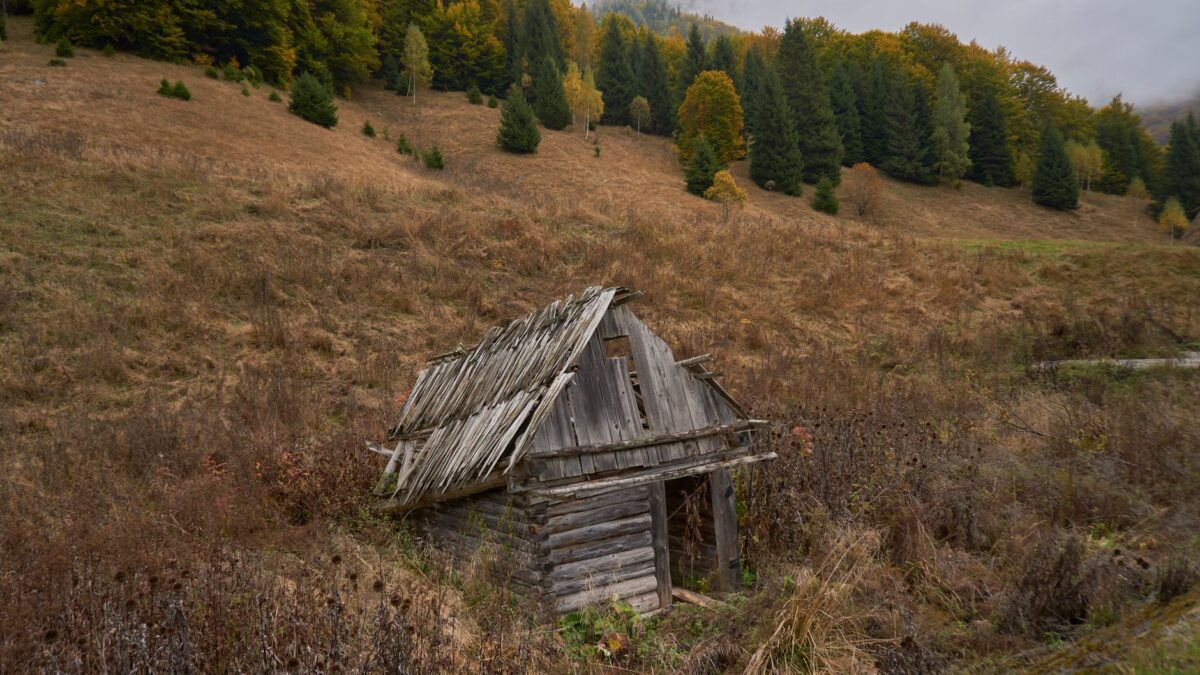
Mid-October in Bucharest has a specific texture. The light turns golden and short, the evenings arrive with a damp chill that sends you seeking warmth indoors, and the air carries the heavy, sweet scent of grape must from the winemaking season. If you are standing on the cobblestones of Lipscani right now, you might notice the queues at the Patriarchal Cathedral for the relics of Saint Dimitrie cel Nou, or hear the distant hum of the National Theatre Festival filling the city’s 24 venues. This is not the peak summer heat, nor the deep freeze of January; it is the moment the city settles into its true rhythm. Choosing when to visit Romania depends entirely on whether you want to dance in a village square, hike the Carpathians, or lose yourself in the labyrinthine culture of the capital.
Spring: Awakening and Greenery
April and May transform Romania into a landscape of soft greens and unpredictable weather. In Bucharest, the chestnut trees along Bulevardul Unirii burst into bloom, and the temperature climbs from a chilly 10°C to a pleasant 20°C. This is an ideal time for visiting the countryside without the sweltering humidity of July. The crowds are thinner, meaning you can wander through the National Village Museum in Herăstrău Park or explore the neoclassical villas of Cotroceni at your own pace.
However, spring rains are common. You will need a waterproof jacket and comfortable shoes. For budget travelers, this is a sweet spot; while I cannot give you exact hotel rates, local meals at inexpensive spots run around 35–45 RON (approximately $9), and a coffee in Dorobanți’s specialty cafes like Twenty Eight or Coftale will cost about 8–10 RON. Public transport is reliable, with a single metro ride costing roughly 7 RON. If you prefer walking, the city center is compact, but be prepared for mud if you venture out to places like Văcărești Natural Park to see the otters and birds before the summer crowds arrive.
Summer: Festivals and High Prices
June, July, and August bring intense heat, often exceeding 30°C, and a surge in tourism. This is the season of the George Enescu International Festival, where the Romanian Athenaeum resonates with classical music, and the streets fill with visitors. Bucharest becomes vibrant but also expensive and crowded. The Old Town bars on Strada Smârdan buzz with energy late into the night, though you must be cautious of overcharging clip-joints; always check prices before ordering.
If you visit during these months, expect higher costs. While daily expenses remain reasonable compared to Western Europe—dinner for two at a mid-range restaurant is about 264 RON (roughly $55)—accommodation prices spike. The city’s rental market has seen rents rise significantly, reflecting a broader trend of inflation. Travelers should book well in advance. For those who hate heat, consider escaping to the Prahova Valley towns of Sinaia or Bușteni, where the mountain air offers relief and access to hiking trails and cable cars. Summer is also the best time to swim in the Danube or enjoy the thermal waters at Therme București near the airport, though these popular spots require booking ahead.
Autumn: Culture, Color, and Comfort
September and October are arguably the most beautiful months in Romania. The forests of Transylvania turn fiery red and gold, perfect for photography and driving tours. In Bucharest, the weather is mild, ranging from 11–19°C, as we experience now. The fog rolls in occasionally, adding a mystical quality to the historic streets. This is the peak cultural season. The National Theatre Festival brings world-class performances to venues like Teatrul de Comedie, and the Scenography Biennale fills spaces along Calea Victoriei with stunning design exhibitions.
Crowds are manageable, and prices are more stable than in summer. You can enjoy the Witches’ Fair in Giulești for free, participating in pumpkin carving workshops or watching family shows at the Comic Opera. Dining out feels cozy; try a traditional meal in a local eatery for around 40 RON. Transportation remains efficient, with integrated monthly passes available for longer stays at approximately 196 RON. Autumn is also excellent for visiting outdoor museums like the National Village Museum, where the wooden architecture stands out against the falling leaves. Just be aware that days grow shorter quickly, so plan your sightseeing early in the day.
Winter: Magic and Resilience
December brings Christmas markets, snow, and a festive atmosphere. Bucharest’s Old Town transforms with lights and stalls selling handicrafts and mulled wine. However, temperatures can drop below freezing, and the city can feel stark without the greenery of other seasons. The Palace of the Parliament, a massive Ceaușescu-era structure, is open for tours, offering a sobering look at history, but expect cold winds on the vast plaza.
Winter travel requires preparation. Heating costs in older buildings can be high, so ensure your accommodation has reliable heating. Food becomes heartier, and while I cannot list specific dish prices, a simple meal at a local place still costs around 35–45 RON. Nightlife shifts indoors; clubs in Grozăvești, the student quarter, offer techno beats and cheap drinks away from tourist traps. Safety is generally good, but stick to well-lit areas and use apps like Bolt or Uber rather than hailing street taxis, which may overcharge visitors. If you love winter sports, head to Poiana Brașov or Sinaia for skiing, but note that road conditions can be hazardous if snow falls heavily.
Practical Tips for Any Season
Romania is part of Schengen for air and sea travel, making entry easy for EU/EEA/Swiss nationals, while others should check visa requirements. Once here, navigate using the Activ card for public transit, which works across buses, trams, and the metro. Contactless payments are widely accepted, but keep some cash for small vendors. Always carry ID, as police checks are common. Embrace the local pace; Romanians value hospitality and conversation. Whether you are sipping coffee in Origo or exploring the rewilded wetlands of Delta Văcărești, you will find a country rich in history, nature, and warm people.
Frequently asked questions
Is Bucharest safe for tourists at night?
Bucharest is broadly safe by EU-capital standards. Stick to well-lit areas, avoid Ferentari and parts of Rahova at night, and use app-based services like Bolt or Uber instead of street taxis to avoid overcharging.
How much does a meal cost in Bucharest?
An inexpensive local meal costs approximately 35–45 RON (around $9). A dinner for two at a mid-range restaurant with three courses is roughly 264 RON (about $55).
Do I need a visa to visit Romania?
Romania is in Schengen for air and sea travel since March 2024. EU/EEA/Swiss citizens need no visa. Most Western nationals like US, UK, and Canadian citizens enter visa-free for up to 90 days.
What is the best way to get around Bucharest?
Use the Metrorex system or STB buses/trams with an Activ card or contactless bank card. Single metro rides are about 7 RON. For late nights, use Bolt or Uber as the metro closes around 23:00.
Things to do in Romania
 Bucovina Painted Monasteries Day Tour
 Timisoara All in One - Walking and Tram Tour
 Private Walking Tour: Essential Bucharest + Hidden Gems
 Bran (Dracula) Castle, Bear Sanctuary, Rasnov Fortress & Palinca Distillery
 Special offer
Contrasts of Communism - Small Group Walking Tour in Bucharest
 Private Tour to Dracula's Castle, Peles Castle from Bucharest