

How much does a trip to Brazil cost?
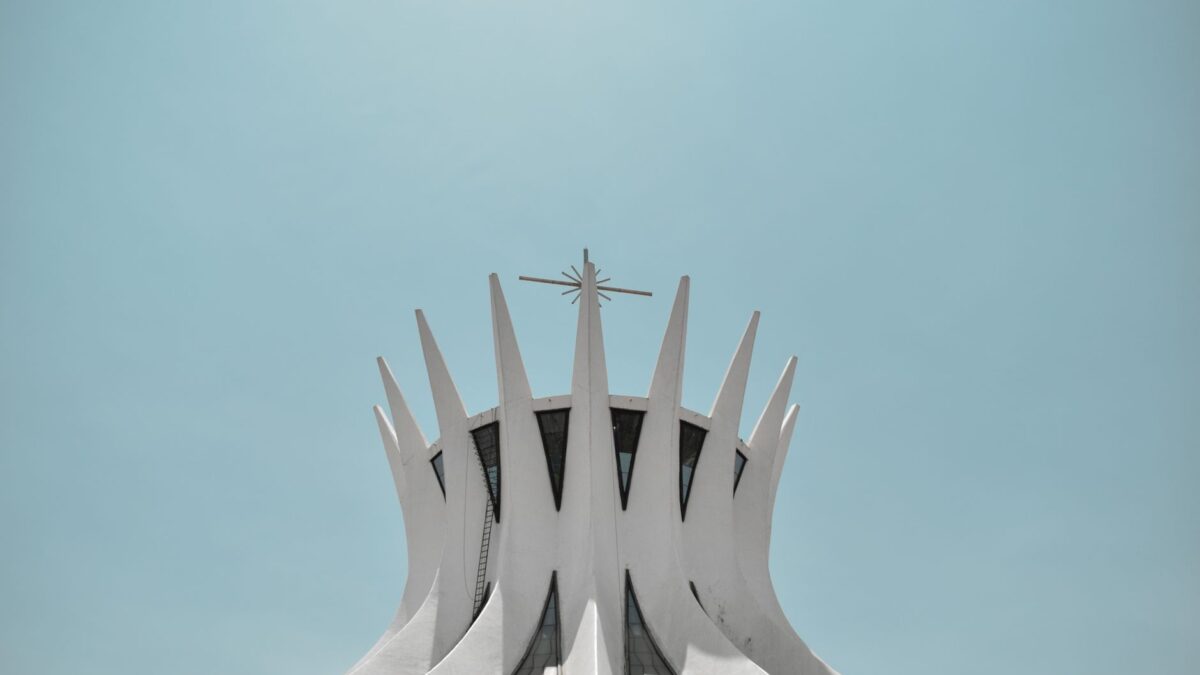
The dry season in Brasília is a peculiar beast. By late October, the grass is bleached gold, the red earth kicks up dust with every breeze, and the horizon shimmers under a haze that begs for the first rains of November. Standing near the Catedral Metropolitana, looking up at Marianne Peretti’s stained glass catching the midday sun, you realize this city isn’t just a capital—it’s an architectural statement carved out of the Cerrado savanna. But before you can fully appreciate Oscar Niemeyer’s curves or hunt for the best feijoada in the Asa Norte, you need to answer the question that haunts every budget-conscious traveler: How much will this actually cost?
Brasília has a reputation for being expensive, and largely, it holds true. As the seat of the federal government, prices here reflect a high-income workforce. However, if you know where to look—and what to avoid—you can navigate the Plano Piloto without breaking the bank. Let’s break down the real costs of living (and traveling) in Brazil’s capital, using today’s local currency, the real (BRL).
Where You’ll Sleep: The Neighborhood Divide
In Brasília, your zip code is your destiny. The city is divided into distinct wings, each with a different price tag and vibe. For the typical visitor, the choice usually lies between the central wings and the satellite cities.
If you want to be in the heart of the action, look at Asa Sul. This is the original southern wing, lined with trees and home to the famous superquadras like 308 Sul. Here, you’ll find consolidated residential markets and reliable commerce. A modest one-bedroom flat in this central area rents for roughly R$1,500 to R$2,100 per month (about $330 USD). Translating this to hotel rates, expect to pay a premium for convenience. Hotels like the Tryp by Wyndham or the historic Brasília Palace Hotel cater to business travelers and diplomats, meaning room rates are higher than in Rio or São Paulo.
For a more bohemian, student-friendly atmosphere, head north to Asa Norte. With the University of Brasília (UnB) nearby, this district pulses with bars, bookshops, and affordable eateries. You might find slightly better deals on guesthouses here, but the trade-off is distance from the main monuments.
Avoid the tourist traps of Lago Sul unless your budget is flexible. This is the domain of mansions, embassies, and the highest HDI in the country. While stunning, it is arguably the most expensive place to stay in the Federal District. If you’re on a tight budget, consider the satellite cities like Taguatinga or Águas Claras. They are commercial hubs with great food scenes and metro access, though you’ll spend more time commuting to the Eixo Monumental.
Eating Like a Local: From Cafezinho to Churrasco
Food is where you can save significant money, provided you resist the urge to eat at hotels. Brazilian self-service restaurants, known as por kilo or prato feito, are the backbone of local dining. An inexpensive meal here—usually a buffet with rice, beans, farofa, fried bananas, and a meat option—will set you back around R$45 (about $8 USD). It’s hearty, fresh, and incredibly cheap.
Coffee culture is huge here. Start your morning with a cafezinho (small espresso) at a local padaria for about R$3.94 ($0.70). If you prefer a cappuccino, expect to pay closer to R$13.42 ($2.50) at specialty spots like Los Baristas or Ernesto Specialty Coffees. Don’t forget the daily staple: pão francês. While sold by the kilogram in supermarkets at roughly R$39.00/kg ($7), buying fresh rolls from street vendors is part of the ritual.
For a night out, mid-range dining for two with three courses costs approximately R$210 ($40). Venues like Sallva Bar e Ristorante at Pontão Lago Sul offer beautiful lake views, but similar experiences exist in the Metrópoles Talks cultural circuit or near the Feira da Torre de TV, where you can grab a snack or light meal for R$25–40 ($6–7). Beer is relatively affordable: a local draft in a bar is about R$12.32 ($2.30), while a bottle from the supermarket runs R$6.40 ($1.20). Milk, incidentally, is pricey at R$5.41/liter ($1.00), so don’t expect grocery bills to be negligible.
Getting Around: The Transit Card Hack
Brasília is designed for cars, but public transport is efficient and surprisingly cheap. The key to saving money is the Cartão Mobilidade. Run by BRB Mobilidade, this card allows integrated trips. You get up to three boardings in the same direction within three hours for a single maximum fare of R$5.50 across buses and the Metro-DF.
Without the card, a single bus ride is R$2.70 and the metro is R$5.50. Monthly transit costs for a regular commuter hover around R$242 ($45), but tourists won’t use that much. Just ensure you have your CPF (tax ID) to register for the card, which is free to issue. Taxis are available but add up quickly; stick to the metro for the long stretches along the Eixo Monumental.
Attractions: Free Views and Paid History
One of the best things about Brasília is that its biggest assets are free. Walking the Praça dos Três Poderes to see the Palácio do Planalto and the Congresso Nacional costs nothing. The Ponte JK is a masterpiece of asymmetric architecture, best viewed at sunset, and entirely accessible. The Parque da Cidade Dona Sarah Kubitschek, often cited as South America’s largest urban park, offers lakes, paths, and playgrounds for zero cost.
If you want to go inside, the Memorial JK and the Museu Nacional Honestino Guimarães are modern marvels opened in 2006. Entry fees are modest compared to Western museums, though exact current prices vary. For cultural events, check listings for Metrópoles Talks or free performances like Os Mamutes at Escola Classe Arniqueira. Even the Catedral Metropolitana is free to enter, though donations are appreciated.
Day trips are another expense. A trip to Chapada dos Veadeiros or Chapada Imperial in Goiás involves a three-hour drive. Joining a tour or renting a car will significantly increase your daily budget, but the waterfalls and canyons are worth the splurge if you have the time.
Daily Budget Breakdown
So, what does a day look like in your wallet? Here is a realistic estimate based on current local prices:
- Budget Traveler (~R$150/day): Stay in a hostel or shared apartment in Asa Norte or Taguatinga. Eat self-service buffets and buy snacks from the Feira da Torre de TV. Use the Cartão Mobilidade for all transit. Visit free landmarks like the Cathedral and Parks. Coffee from street vendors.
- Mid-Range Traveler (~R$350/day): Private room in a boutique hotel or Airbnb in Asa Sul. Mix of self-service meals and one nice dinner at a place like Restaurante Universal. Occasional taxi or Uber rides alongside public transport. Paid entry to one museum or a guided boat tour on Lago Paranoá.
- Comfortable Traveler (~R$700+/day): High-end accommodation in Lago Sul or Plano Piloto. Fine dining experiences, private tours to Chapada dos Veadeiros, and seamless transport via ride-hailing apps. Access to exclusive events or VIP cultural tours.
Remember, Brasília is a city of contrasts. It can feel sterile and expensive, yet it offers profound beauty and community at every corner. Whether you’re debating faith and science at a talk or simply watching the sun dip behind the Ponte JK, the cost of admission is low—but the memory is priceless. Plan ahead, get your CPF sorted, and enjoy the modernist magic of the Centro-Oeste.
Frequently asked questions
Is Brasília expensive compared to other Brazilian cities?
Yes, Brasília is generally more expensive than cities like Rio or Salvador due to its status as the federal capital and high-income workforce. However, public transport fares remain frozen at low rates through 2026, keeping mobility costs down.
How much does a meal cost in Brasília?
An inexpensive self-service meal ('prato feito') averages around R$45 ($8). A mid-range three-course dinner for two is approximately R$210 ($40). Street snacks at places like the Feira da Torre de TV range from R$25–40.
Do I need a CPF to travel in Brasília?
While not strictly required for entry, a CPF (tax ID) is practically essential. You need it to open bank accounts, get a prepaid SIM card, and register for the Cartão Mobilidade public transport card.
What is the cheapest way to get around the city?
The Cartão Mobilidade is the most cost-effective method. It offers integrated trips, allowing up to three bus or metro boardings within three hours for a single maximum fare of R$5.50.
Are there free attractions in Brasília?
Absolutely. Major landmarks like the Praça dos Três Poderes, Catedral Metropolitana, Ponte JK, and Parque da Cidade are free to visit. Many cultural talks and art installations, such as those at Metrópoles Talks, also offer free or low-cost entry.


