

Moving to Belgium: visas, banking and SIM cards
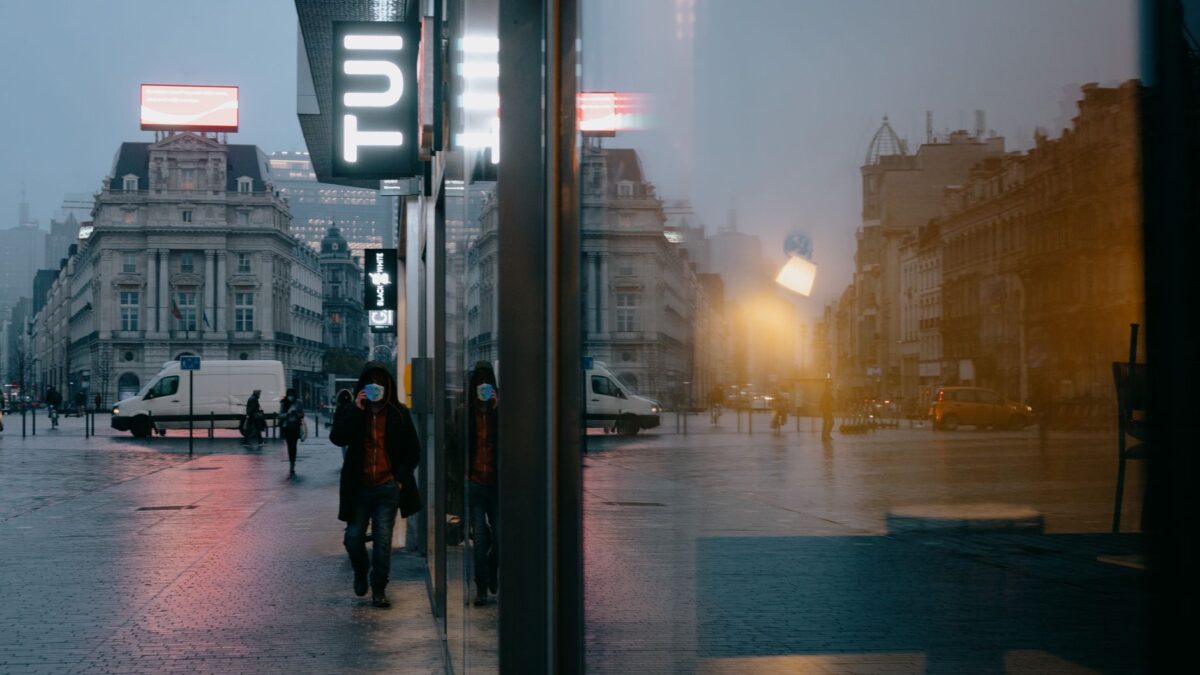
The grey sky hangs low over the Grand-Place, a familiar blanket of overcast light that signals early November in Brussels. It is All Saints’ Day today, and the city feels paused, caught between the autumn lull and the impending glow of Christmas markets. If you are reading this, you are likely standing in the shadow of the Gothic Town Hall or navigating the labyrinthine streets of your new commune, wondering where to start. Moving to Belgium is less about conquering a landscape and more about mastering its bureaucracy. The weather is hovering around 6–10°C, and by 5:17 PM, the daylight will fade quickly. But before you worry about the cold, you need to secure your digital and financial lifelines. Here is how to set up your first week without losing your mind.
The Paper Trail: Registration and Residence
Belgium operates on a system of strict local registration. Unlike some countries where you simply show up, here you must formally enter the population register within eight working days of moving into your new home. This process, known as ‘inscription’, is your gateway to everything else. For residents of the City of Brussels, the initial step is often electronic; you can begin by emailing populationbruxelles@brucity.be with your documents. After this preliminary check, you will finalize the process at the Brucity Administrative Centre, where a small fee of around €6 applies.
Be prepared for paperwork. Your birth certificate and other civil status documents must be legalized or apostilled and sworn-translated into either French or Dutch. Once registered, a local police officer will conduct a residence check. If all is in order, you are entered into the register and issued an eleven-digit National Register Number. This number is vital—it is used for healthcare, taxes, and official correspondence. If you are an EU/EEA citizen, you will instead apply for a registration certificate (Annex 19 or 19ter). Non-EU citizens staying longer than ninety days must secure a Belgian visa and residence permit beforehand, as the Schengen short-stay waiver does not cover long-term settlement.
Banking: Bridging the Gap
Opening a traditional Belgian bank account can feel like waiting for a tram in traffic. Institutions like BNP Paribas Fortis, KBC, Belfius, ING, and Argenta require photo identification plus proof of principal residence, such as your commune registration certificate. Because these processes can take weeks, do not wait until you have zero funds to start. Most newcomers bridge this gap using multi-currency apps like Wise or Revolut. These are widely accepted across Belgium for day-to-day spending and are particularly useful for topping up your transit card.
If you prefer physical branches, BNP Paribas Fortis De Brouckère or BNP Paribas Fortis Louise are central hubs in the tourist heart of the city. However, remember that while big banks offer stability, their opening hours can be restrictive, often closing by 4 PM or shutting down entirely on Thursdays. Keep your digital wallet funded until your physical debit card arrives in the mail, which typically takes another two weeks after account approval.
Connectivity: SIM Cards and Networks
You cannot navigate Brussels without data. The main mobile operators are Proximus, Orange Belgium, BASE (part of the Telenet group), and Telenet itself. Prepaid and pay-monthly SIM cards are available in phone shops and supermarkets, but you must present ID for registration due to local laws. If you are from the EU, a Belgian SIM works across the union at domestic rates thanks to ‘roam like at home’ rules, making it easy to travel for weekends in the Ardennes or along the coast.
For immediate connectivity, airport kiosks offer convenience but often higher prices. For better value, head to a store in Ixelles or Saint-Gilles, where competition is fierce. Ensure your plan includes sufficient data for navigation apps, as relying on paper maps in the rain is a quick way to get lost near the Atomium or deep within the Sonian Forest.
Getting Around: Transit and Daily Costs
Brussels’ urban transit is run by STIB-MIVB, operating on a shared national MOBIB smart card. The card costs €6 and is valid for five years, usable not just on STIB buses, metros, and trams, but also on SNCB-NMBS trains, De Lijn, and TEC services. Since the February 2026 fare re-indexation, a single contactless journey is €2.40, with free transfers within sixty minutes and a daily cap of €8.50. A ten-journey Brupass ticket runs €18.90, while the ‘Move Unlimited’ monthly pass is €56. If you are aged twelve to twenty-four or over sixty-five, you can secure an annual pass for just €12, a bargain that makes car-free living highly practical.
Beware of ongoing infrastructure works. The Chaussée de Mons is fully closed at Square Vandervelde in Anderlecht until late November, diverting traffic via rue du Collecteur. Tram 81 has been cut back to Montgomery–Trinité due to works at Barrière de Saint-Gilles, and tram 97 is not running at all until December. Commuters in Woluwe are advised to change at Mérode, where shuttles replace trams 39 and 44 on avenue de Tervueren. Always check the STIB app before heading out.
Daily expenses vary by district. In the trendy Parvis de Saint-Gilles or the international hub of Flagey in Ixelles, a cup of coffee might cost between €2.80 and €4, while a local beer ranges from €3 to €6. A portion of moules-frites at a reliable brasserie could set you back €18–25, though tourist traps on Rue des Bouchers may charge up to €30+. For a quick bite, a large cone of frites from a classic friterie is roughly €3.50–5, and a plat du jour lunch at an inexpensive local place is about €10–16. Monthly rent for a modest one-bedroom flat in the city centre averages around €1,223, making Brussels surprisingly affordable compared to Paris or Amsterdam, despite recent modest increases in transit fares.
Safety and Seasonal Awareness
Brussels is generally safe, but standard urban precautions apply. Pickpockets operate around the Grand-Place, Galeries Royales Saint-Hubert, and major stations like Gare du Midi and Gare du Nord. Be extra cautious on streets near these stations after dark. The city’s vibe shifts in early November; terraces are packed away, and menus feature game, endive, and early Saint-Jacques shellfish. As you settle in, consider exploring the African quarter of Matongé for vibrant weekend nightlife or the Art Nouveau treasures of Saint-Gilles. Whether you are commuting past the European Quarter or enjoying a quiet moment in Parc du Cinquantenaire, taking these practical steps ensures your first month is smooth, allowing you to focus on the real adventure: living in the capital of Europe.
Frequently asked questions
How long do I have to register my address in Brussels?
You must register at your commune's population register within eight working days of moving in. For the City of Brussels, you can start by emailing populationbruxelles@brucity.be.
What documents are needed to open a bank account in Belgium?
You typically need a valid photo ID and proof of principal residence, such as a commune registration certificate or Annex 19. Traditional banks like BNP Paribas Fortis or KBC can take weeks to process.
How much does a monthly public transport pass cost in Brussels?
The 'Move Unlimited' monthly STIB pass is approximately €56. A single journey costs €2.40 with a daily cap of €8.50.
Do I need a visa to stay in Belgium for more than 90 days?
Yes. While EU/EEA citizens apply for a registration certificate, non-EU visitors staying beyond the Schengen 90-day limit require a Belgian visa and residence permit.
Which mobile networks are recommended in Brussels?
The main operators are Proximus, Orange Belgium, BASE, and Telenet. You must show ID to register a SIM card, and EU roaming rules apply if you use a Belgian SIM within the EU.
Things to do in Belgium
 Private Dinant Castles & Abbey Beer Tour from Brussels or Bruges
 European Quarter Comedy Tour
 Handcraft your own silver ring in Bruges
 Private Liège, Aachen & Maastricht Tour from Brussels or Bruges
 Private Guided Historical Walking Tour in Bruges Belgium
 Bruges Small-Group Guided Tour Including Boat and Praline