

Moving to Norway: visas, banking and SIM cards
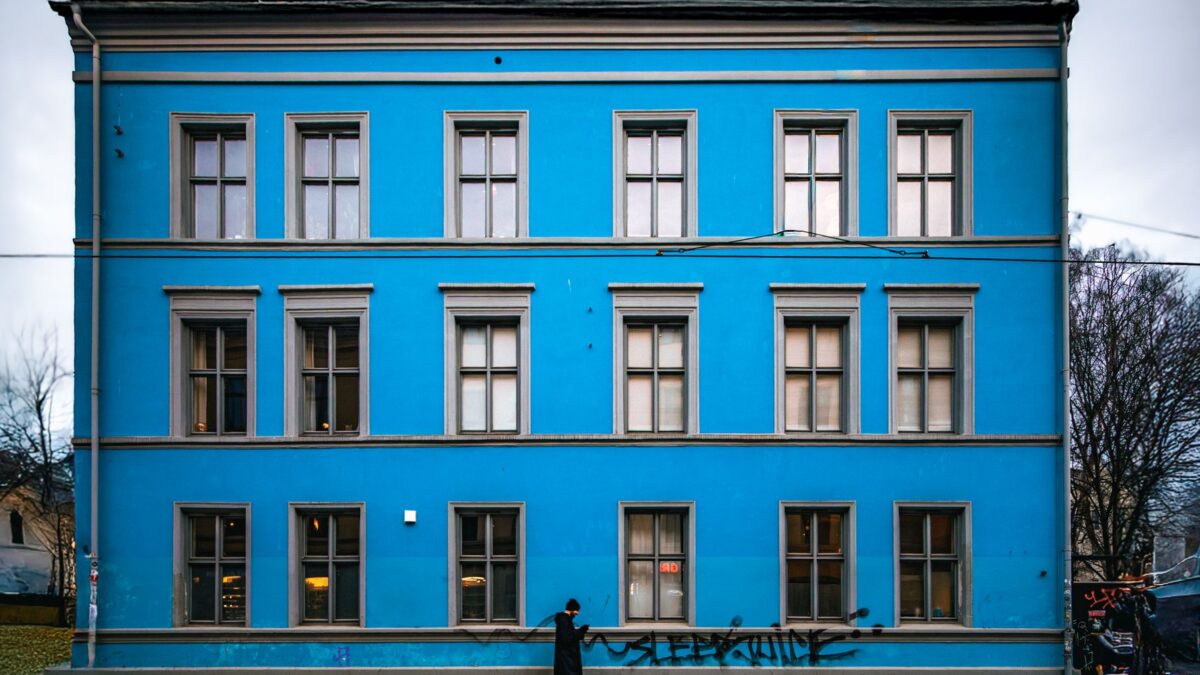
It is that time of year again. The light in Oslo has retreated behind the Barcode towers by 4 PM, leaving the harbour promenade bathed in the cool blue glow of the Fjord Oslo light installations. I am standing near Tjuvholmen, watching the first snow dust the sculptures, and thinking about you. You have just landed at Gardermoen, or perhaps you are already navigating the crowded platforms of Oslo S. The excitement of moving to Norway is palpable, but so is the logistical friction. Before you can enjoy a warm coffee at Tim Wendelboe or hike into Nordmarka, you need to sort out the boring stuff. Let’s walk through your first week, step by step.
1. Crossing the Border and Finding Your Feet
Norway is a Schengen member but not an EU member. If you are from the US, UK, Canada, Australia, New Zealand, or Japan, you likely do not need a visa for stays up to 90 days within any 180-day period. However, the landscape is shifting. The EU’s biometric Entry/Exit System (EES) is now operational for non-EU visitors, meaning you will be scanned upon entry. Keep an eye on your passport; if you plan to stay longer, you must act fast. For stays beyond 90 days, or for work purposes, you will need to register with the Norwegian Tax Administration (Skatteetaten) to apply for a fødselsnummer (national ID number). This number is the golden key—it unlocks banking, housing contracts, and most government services. If you are on a shorter temporary work contract, you might receive a D-nummer instead, which serves a similar purpose but has limitations. EU/EEA citizens must register with the police within three months of arrival, while non-EEA nationals often navigate this through the Service Centre for Foreign Workers (SUA) in Oslo.
2. Banking and the BankID Hurdle
Here is where many newcomers hit a wall: you cannot easily open a bank account without a Norwegian ID number. The main retail banks—DNB, Nordea, SpareBank 1, and Sbanken—all require strict identity verification. If you arrive with only a foreign passport and no fødselsnummer, your options are limited. Some fintech solutions exist, but for long-term stability, wait until your registration is complete. Once you have your ID number, visit a branch like DNB Karl Johan or SpareBank 1 Østlandet. Bring your passport, proof of address (even a temporary rental agreement helps), and your ID number.
Once the account is open, you will immediately download the BankID app. This is not optional; it is the electronic signature used for everything in Norway—from signing your lease to logging into public health services. Without BankID, you are digitally isolated. Be prepared for the initial setup to take a few days as the bank verifies your details against the national registry.
3. Connectivity: SIM Cards and Kiosks
You need a local number to register for BankID and to communicate with landlords or employers. Prepaid SIM cards are readily available at chain stores like Narvesen kiosks or electronics retailers like Elkjøp. Major providers include Telenor, Telia, and Ice. You will need your passport for registration, and as mentioned, having a D-nummer or fødselsnummer makes activating certain services much smoother. Prices for data packages vary, but expect to pay around 200–400 NOK per month for generous unlimited plans. Avoid buying expensive tourist bundles at the airport; head straight to a city centre kiosk after you’ve settled.
4. Transport and Daily Costs
Oslo is expensive, but its public transport is efficient and clean. The system is run by Ruter and covers trams, buses, and the T-bane metro. Single fares in Zone 1 are approximately 46 NOK, but if you are staying long-term, the monthly pass is your best friend. As of May 2026, the 30-day pass for Zone 1 was reduced to 655 NOK—a significant subsidy from the government. Buy this via the Ruter app or load it onto a Reisepass card at any station.
Getting to and from Gardermoen Airport is straightforward. The Vy train takes about 23 minutes and costs significantly less than the Flytoget express. Alternatively, the Flybussen coach offers door-to-door service to major hotels. Once you are in the city, walking is the best way to discover districts like Grünerløkka, with its indie cafés along Markveien, or Frogner, home to the Vigeland Sculpture Park. Be cautious of petty theft around Oslo S and nightlife areas, though Oslo remains generally safe. Also, remember to activate your ticket before boarding; fines for fare evasion are around 950 NOK.
5. Budgeting for Your First Month
Let’s talk numbers. Oslo is one of Europe’s most expensive cities. A modest one-bedroom flat in Oslo or nearby Bærum averages around 15,300 NOK per month, though market listings often range higher. For your first few nights, a mid-range hotel or guesthouse like Hotel Filip or Hobo Hotel Oslo might cost 1,400–2,100 NOK per night including breakfast. Food costs add up quickly. An inexpensive lunch at a local spot runs 150–200 NOK, while a dinner at a mid-range restaurant could be 300–500 NOK. A cup of coffee at Supreme Roastworks AS will set you back about 60–80 NOK. Even a simple loaf of bread is 30–50 NOK. However, if you cook at home, prices are more manageable. Milk is roughly 20 NOK a litre. Use this knowledge to plan your grocery shopping at Matpakke-friendly stores like Rema 1000 or Kiwi, rather than relying on restaurants every day.
The cultural scene is vibrant right now. With the Folkelarm festival opening on Grünerløkka and Susanne Sundfør playing at Sentrum Scene, there is plenty to see once your admin is sorted. But don’t let the schedule overwhelm you. Prioritize your ID registration, get your BankID working, and secure your SIM card. The rest—the fjord views, the museum visits to MUNCH, the quiet mornings in Skogkirkegården—will follow naturally.
Frequently asked questions
Do I need a visa to move to Norway?
If you are from the US, UK, Canada, Australia, NZ, or Japan, you can enter visa-free for up to 90 days. For longer stays, you must apply for a residence permit through UDI and register with Skatteetaten for an ID number.
How do I open a bank account in Norway?
You typically need a Norwegian ID number (fødselsnummer or D-nummer) and valid ID. Major banks include DNB, Nordea, and SpareBank 1. Opening an account usually requires visiting a branch for identity verification.
What is BankID and why do I need it?
BankID is a digital identification app linked to your Norwegian bank account. It is essential for signing leases, accessing government services, and verifying your identity online in Norway.
How much does public transport cost in Oslo?
A single fare in Zone 1 is about 46 NOK. The monthly 30-day pass is approximately 655 NOK, a subsidized rate effective from May 2026. Tickets can be bought via the Ruter app.
Is Oslo safe for tourists and residents?
Yes, Oslo is generally safe and walkable. However, exercise normal caution regarding petty theft around Oslo S and nightlife areas, and be aware of the open drug scene near the central station.
Things to do in Norway
 Northern Lights Adventure
 Likely to sell out
Northern Lights Expedition Tromsø - 6 people - Arctic Photo Guide
 Northern Lights Private tour with your special ones - Greenlander
 Private Husky Sledding: Drive or Ride – 2 Hours from Tromsø
 Special offer
Oslo's Scenic Fjord Hike & Chef's Norwegian Forest Waffle
 Small Group Northern Lights Chase with Campfire Meal and Photos