

A first-timer’s guide to Madagascar
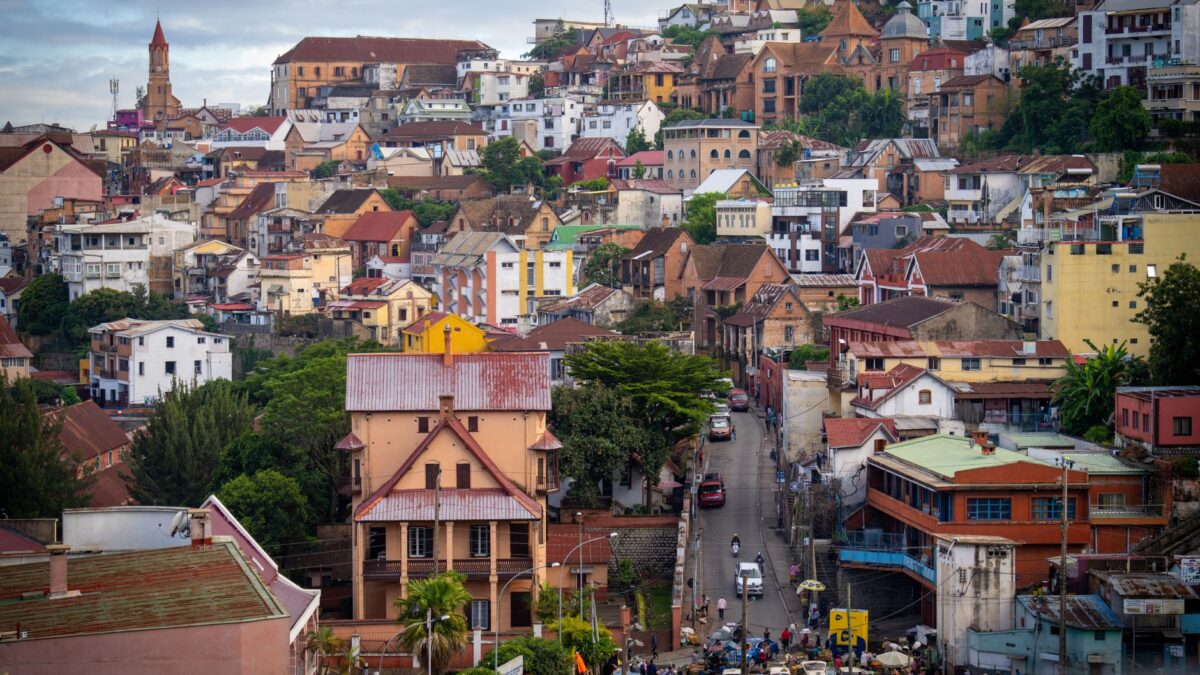
It is November first here in Antananarivo, All Saints’ Day, and the air carries that specific, hazy dust of the dry season ending. The jacarandas are blooming in violent purples along the avenues, and the markets are piling high with mangoes just before the first east-coast litchis arrive. If you are standing at Ivato Airport, blinking against the tropical sun, you might feel overwhelmed by the noise, the steep hills, and the sheer scale of this island nation. But take a breath. Madagascar is not a place to be rushed; it is a place to be absorbed. As someone who has lived here for years, I want to give you the practical keys to unlocking this beautiful, chaotic, and deeply rewarding country.
The Best Time to Go and How Long You Need
Madagascar’s climate is dictated by two main seasons: the rainy season (November to April) and the dry season (May to October). Since you are reading this in early November, you are arriving at a transitional moment. The heat is building, the humidity is rising, and afternoon thunderstorms are becoming common. For most first-timers, the sweet spot is May through October. During these months, the sky is clear, the roads are passable, and the wildlife is easier to spot because the vegetation is less dense.
How long should you stay? A two-week trip will only scratch the surface. I recommend at least three weeks if you want to see the highlights without burning out. The distances are deceptive; a journey that looks short on a map can take all day due to road conditions. If you have time, split your stay between the Central Highlands around Antananarivo, the eastern rainforests like Andasibe-Mantadia for the indri lemurs, and perhaps the south or west for the baobabs. Do not try to do everything in one go. It is better to experience three regions deeply than to rush through six.
Getting Around: Taxis, Brousse, and Patience
In the capital, Antananarivo, there is no metro and no single transit card. You navigate by shared taxis and minibuses. The “taxi-be” (minibus) is the heartbeat of the city, costing roughly 600 Ariary per ride—about ten cents. It is efficient but crowded. For a more comfortable ride, use a private taxi. Agree on the fare before you get in. The base fare is around 15,000 Ariary for a short start, and expect to pay about 9,000 Ariary per kilometer. Always carry small notes; drivers rarely have change for large bills.
For intercity travel, you will take the “taxi-brousse.” These are often repurposed trucks or buses that run from stations like Ampasapito or Ambodivona. They are an adventure in themselves, filled with goods, chickens, and people. Book your tickets a day in advance if possible. Crucially, never travel on rural roads at night. The lack of lighting, combined with unpredictable traffic and occasional safety concerns regarding cattle rustlers in the far south, makes night driving dangerous. Stick to daylight hours.
If you are staying in the city center, note that major infrastructure projects are underway. Currently, Avenue de l’Indépendance near the Analakely market is closed to vehicles due to drainage works, with detours via Miso Life and Super U Analakely. Further closures on rue Andrianamasinavalona and rue Radama are scheduled from late November. Check local updates like 2424.mg before planning your daily routes, as traffic rerouting is frequent.
Money, Costs, and the Reality of Currency
The currency is the Malagasy ariary (MGA). While inflation hovers around 8.1%, prices for food and transport remain incredibly low for visitors. A meal at an inexpensive local restaurant—a hotely serving rice and laoka (side dishes)—costs about 12,000 Ariary ($2.70). For a mid-range dinner for two with three courses, expect around 90,000 Ariary ($20). Street snacks are even cheaper: a mofo gasy (rice cake) is 200–500 Ariary, and sambos are 300–800 Ariary. A full breakfast at the bustling Analakely covered market will cost you well under 5,000 Ariary.
Coffee culture is strong here. A cappuccino at places like Dune Coffee Shop or Café du Musée runs about 7,300 Ariary ($1.60). Local beer, specifically Three Horses Beer, is a staple and costs roughly 4,500 Ariary ($1.00) for a half-liter. However, be aware that rent in the city center is high relative to local salaries. A modest one-bedroom flat costs around 1,442,500 Ariary ($320), which is significantly above the average net monthly salary of 580,000 Ariary. This disparity means most locals live in shared housing or on the periphery, while expats and tourists occupy the more expensive central districts.
Payment methods vary. Credit cards are accepted in upscale hotels and some restaurants in Isoraka or Ivandry, but cash is king for street vendors, markets, and smaller eateries. Mobile money services like Telma’s MVola, Orange Money, and Airtel Money are ubiquitous and useful for quick transfers or payments. If you plan to open a bank account, institutions like BNI, BOA, or MCB Madagascar require a passport, valid visa, and a certificat de résidence from your local Fokontany office. Expect paperwork to be slow.
Visas, SIM Cards, and Essential Logistics
Most nationalities can obtain a visa on arrival at Ivato Airport or apply for an eVisa online via evisamada.gov.mg. Stays under 15 days are effectively free but incur a small administrative fee of around €10. A 30-day visa costs approximately €35 ($37), and 60 days is about €40 ($45). Pay in cash—only crisp USD or EUR notes are accepted at the counter; worn bills may be rejected. Your passport must have six months’ validity and two blank pages, along with proof of return travel and accommodation.
Once you land, get a SIM card immediately. The operators are Telma, Orange Madagascar, and Airtel Madagascar. Registration requires your passport, and coverage is good in the capital but patchy in remote areas. Load data bundles and mobile money credit simultaneously, as this combination is your lifeline for navigation and payments outside tourist hubs.
If you plan to stay longer than a tourist visa allows, you must register with the Direction Générale de l’Immigration. New residents need a certificat de résidence from their local Fokontany office, followed by a carte de résident. Employers must also secure a carte de travail from the Ministry of Labour. Keep your address updated on your card within three days of any move, as inspections can occur.
Where to Stay and Safety Tips
Antananarivo is divided into distinct districts. For first-timers, Isoraka is the ideal base. This old bourgeois quarter features grid-like streets, colonial-era guesthouses, embassies, and excellent restaurants. It is safe, walkable, and close to the diplomatic zone. Alternatively, consider Ambohijatovo for modern serviced apartments or Faravohitra for historic charm near the Catholic cathedral and the famous Chez Mariette table d’hôtes. Avoid Analakely after dark; while it is the commercial heart with the great Zoma Market and Ambondrona stone staircase, it is congested and prone to pickpocketing.
Safety is generally manageable if you exercise common sense. Petty theft targeting phones and bags is common in crowded areas like the Analakely market and even in upscale neighborhoods. Keep devices concealed and documents in a hotel safe. Do not walk alone after 8 p.m. Be vigilant in public spaces, but do not let fear diminish your experience. The Malagasy people are famously hospitable (“fihavanana”), and engaging with them respectfully will open doors to genuine connection.
Finally, embrace the rhythm of life here. Power cuts from JIRAMA happen, so keep your phone charged and have a backup plan. Traffic is heavy, and patience is a virtue. Whether you are watching the sunset over the terraced hills of the highlands or listening to the wail of the indri in Andasibe, remember that Madagascar rewards those who slow down. Enjoy the journey, and don’t forget to try the romazava—it is the soul of the plate.
Frequently asked questions
What is the best time of year to visit Madagascar?
The dry season from May to October is generally considered the best time for wildlife viewing and road travel. November marks the start of the rainy season, bringing heat and afternoon storms.
How much does a meal cost in Antananarivo?
Local meals are very affordable. A simple lunch of rice and laoka at a hotely costs around 12,000 Ariary ($2.70), while a mid-range dinner for two is about 90,000 Ariary ($20).
Do I need a visa to enter Madagascar?
Most travelers need a visa, available on arrival at Ivato Airport or via eVisa. Fees range from free (under 15 days, plus admin fee) to about $45 for a 60-day stay. Cash in crisp USD or EUR is required.
Is it safe to travel at night in Madagascar?
It is not recommended to travel on rural roads at night due to poor lighting and safety risks. In cities, avoid walking alone after 8 p.m. and be cautious of petty theft in crowded markets.
Which district in Antananarivo is best for tourists?
Isoraka is highly recommended for its proximity to guesthouses, restaurants, and embassies, offering a safe and convenient base for exploring the upper city.


