

How much does a trip to Kenya cost?
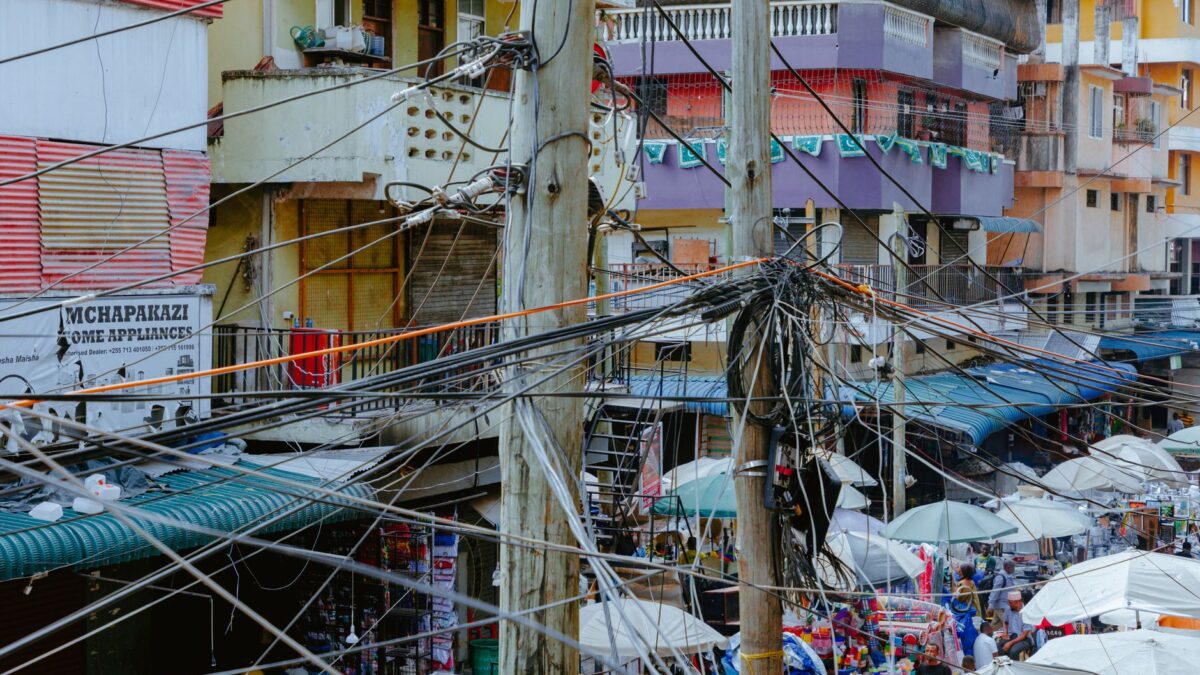
The short rains have just set in over Nairobi, turning the red-earth roads of estates like Utawala and Embakasi into muddy tracks while the city’s hills stay lush and green. It is a season where you can buy fresh Kenyan mangoes from street vendors for pennies, but it also means travel times stretch as matatus navigate the slick conditions. If you are planning to visit Kenya right now, in late 2026, you need more than just a visa; you need a realistic grasp of how far your money goes in ‘Silicon Savannah.’ Nairobi is a city of sharp contrasts, where the price of a meal or a ride depends entirely on which side of town you are standing on.
The Visa and Entry Costs
Before you even step off the plane at Jomo Kenyatta International Airport (JKIA), budget for your entry permissions. Kenya has replaced visas-on-arrival with the eTA system. You must apply only at etakenya.go.ke. The standard fee is about US$30 per traveller, including infants, and decisions usually come in roughly three working days. If you need speed, expedited processing runs an extra ~US$100. Your passport must be valid for six months with a blank page.
There is also a new mandatory layer: from October 2026, the portal sells an inbound travel health insurance policy for approximately US$44, providing around US$50,000 in combined cover. Check the current rules before flying, as these digital gatekeeping measures change frequently. For those looking to explore the region, the East Africa Tourist Visa covers Kenya, Uganda, and Rwanda for ~US$100 for 90 days.
Where You Stay Defines Your Budget
Nairobi’s accommodation market tells a tale of two cities. If you are on a tight budget, look to the outer estates. A modest one-bedroom flat in areas like Komarock or Umoja might cost between KES 10,000 and KES 18,000 monthly (≈ $105), but daily hotel rates there can still feel steep for short stays. Conversely, if you land in the inner suburbs like Kilimani or Kileleshwa, rents for similar flats jump to a median asking price of around KES 81,400 (≈ $600) monthly.
For visitors, mid-range hotels in Westlands or Gigiri often charge between KES 8,000 and KES 15,000 per night. You will find places like Hemak Suites Hotel or Fedha Residences by Trianum offering solid value. If you prefer the diplomatic quiet of Gigiri, the Trademark Hotel sits within the UNON compound. Remember, safety here is compound-by-compound; gated areas with guards offer peace of mind that open streets do not, regardless of the postcode.
Eating Like a Local vs. Dining Out
Food is where you can save significant money or splurge effortlessly. Nairobi’s food scene is vibrant, from the Somali lunch houses in the CBD to the fish restaurants in Kilimani. For a true local experience, head to City Market food stalls. There, you can get a plate of pilau—spiced rice with meat—for about KES 300 (≈ $2.2). If you crave roasted goat, a plate of nyama choma costs roughly KES 320 (≈ $2.4). For a heartier feast, a whole fried tilapia with ugali and kachumbari sets you back around KES 380 (≈ $2.8).
These ‘kibanda’-style eateries are delicious and safe if you stick to busy spots. However, if you dine at a mid-range restaurant, such as a fish house along Argwings Kodhek Road in Kilimani, expect to pay KES 1,000–KES 1,500 (≈ $9) per person. Venues like CRAVE KENYA or Lazy Lizard offer international standards but at a premium. Coffee lovers should note that while street coffee is cheap, a latte at Barista & Co. or Diritto Café will cost significantly more, aligning with global café prices.
Moving Around the City
Transport is the most volatile cost in Nairobi. Matatus (minibuses) are the lifeblood of the city. A single ride from the Central Business District (CBD) to Westlands costs about KES 50 (≈ $0.4). However, if you are heading to a far estate like Kawangware or Embakasi during peak hours, fares can rise to KES 100–KES 130 (≈ $0.9). Be aware that fuel-driven inflation caused matatu fare hikes of up to 50% in mid-2026, so prices fluctuate.
For comfort and predictability, use ride-hailing apps like Uber, Bolt, or Little Cab. These are safer after dark and avoid the phone-snatching risks common on matatus. If you drive, the Nairobi Expressway tolls are cash, M-Pesa, or electronic tag. The trip from JKIA to Westlands is about KSh 410, while the Haile Selassie exit is KSh 330. Public rail exists via Kenya Railways’ commuter line from Nairobi Central to Syokimau, selling paper tickets at the station, but it is less flexible for tourists.
Attractions and Daily Totals
Kenya’s wildlife experiences are world-class but require budgeting for park fees. Nairobi National Park is unique as the only park inside a capital city, home to black rhinos and the historic Ivory Burning Site. Entrance fees for non-residents are substantial, often exceeding KES 2,000 per day. Other attractions like the Giraffe Centre, Sheldrick Wildlife Trust, and the Karen Blixen Museum in Lang’ata also charge entry fees that add up quickly.
Here is a rough daily breakdown based on current realities:
- Budget Traveler: Staying in hostels or budget lodges in Eastleigh or CBD outskirts, eating at street stalls (pilau/nyama choma), using matatus. Daily total: approx. KES 3,500–5,000 (≈ $26–$37).
- Mid-Range Traveler: Mid-tier hotel in Westlands/Kilimani, mixed dining (local eatery + one nice dinner), Uber/Bolt rides, park entrances. Daily total: approx. KES 12,000–18,000 (≈ $89–$134).
- Comfortable Traveler: High-end hotel (e.g., Sheratton Regency or Village Market area), fine dining at venues like CJ’s or Carnivore, private car hires, full safari excursions. Daily total: KES 30,000+ (≈ $223+).
Keep in mind that security situations can shift rapidly. Recent events, like the ongoing recovery operations near Eastleigh following the building collapse in late October, or the trader protests at Kamukunji Market starting early November, mean some roads may be restricted. Always check local news like nation.africa or nairobinews.co.ke before heading out. Nairobi is resilient, chaotic, and incredibly rewarding, but navigating it requires respect for its rhythms and its prices.
Frequently asked questions
How much does a visa cost for Kenya in 2026?
The eTA costs about US$30 per traveller, plus a mandatory health insurance policy of approximately US$44. Apply only at etakenya.go.ke.
Is it safe to eat street food in Nairobi?
Yes, especially at busy markets like City Market. A plate of pilau or nyama choma costs around KES 300–320 ($2.2–$2.4). Stick to stalls with high turnover.
What is the best way to get around Nairobi?
Matatus are cheap (KES 50–130) but chaotic. For safety and convenience, use Uber, Bolt, or Little Cab, especially after dark.
How much should I budget for a daily meal in Nairobi?
Local eatery meals range from KES 250 to KES 380 ($1.9–$2.8). Mid-range restaurants cost KES 1,000–1,500 ($9) per person.
Are there any major road closures or disruptions currently?
As of November 2026, roads near Eastleigh (9th Street) are restricted due to rescue operations, and Kamukunji Market traders have protested. Check local news before traveling.


