

United Kingdom in November 2026: what travelers should know now
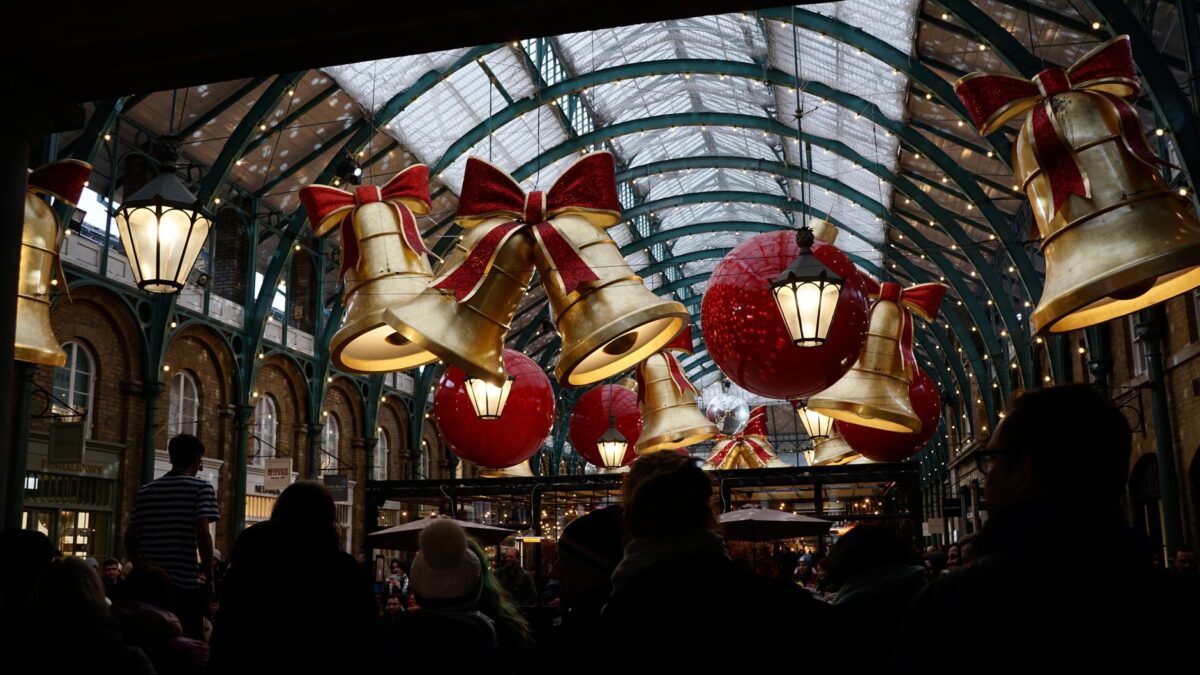
The air in London this November has that specific, heavy chill you only get when the Thames is misty and the leaves are turning to slush on the pavement. It is early November 2026, and if you are planning a trip right now, you are arriving at a city that is caught between two worlds: the smoky, celebratory tail-end of Halloween and Bonfire Night, and the sudden, bright intrusion of Christmas lights already twinkling up before the street decorations have even come down. The weather is doing its best to set the mood—expect temperatures hovering between 8°C and 12°C, with light drizzle making the pavements slick. It is dark by 4:30 PM, but it is also the perfect time to seek out roast chestnuts, game dishes, and native oysters, which are currently hitting their peak season.
Weather, Packing, and the November Mood
As of today, 2 November 2026, the forecast calls for a felt temperature of around 8°C with persistent light rain. This is not the kind of weather where you want to be wandering around the open-air markets without proper gear. You need a waterproof coat that actually works, sturdy shoes with grip, and layers that can handle the dampness seeping into your bones. The seasonal feel here is one of cozy retreats; think steam rising from a pub door as you duck in, or the warmth of a West End theatre lobby.
While the days are short, the energy is high. The city is preparing for the major festivities of the coming weeks. If you are visiting, embrace the gloom—it’s part of the charm—but pack accordingly. The wet leaves and firework smoke hanging over the rooftops create a very British atmosphere that you won’t find anywhere else. It is a quiet month for tourism compared to summer, meaning fewer crowds at the major museums, but higher demand for accommodation due to the holiday events.
What’s On: Bonfire Night, Diwali, and Christmas Lights
This month is packed with cultural moments you cannot miss. First, mark your calendar for 5 November. Bonfire Night (Guy Fawkes Night) is a staple here, and while there are paid displays across the capital, the main free central London option is at Coram’s Fields in Bloomsbury. Gates open at 3:30 PM with a live stage followed by fireworks. However, note that adults are only admitted if accompanied by a child. For a more diverse cultural experience, head to Greenwich on 7 November. The National Maritime Museum hosts Diwali celebrations featuring dance, rangoli, and lantern-making, culminating in a lantern parade through Greenwich Park with dhol drummers—a vibrant contrast to the grey skies.
But perhaps the most striking change will happen almost immediately after Halloween. Starting 4–5 November, London’s Christmas lights switch on. Carnaby Street unveils its ‘90s-themed illuminations with a special event, followed quickly by Regent Street lighting up. Regent Street will be closed to traffic for the afternoon for stalls and entertainment, creating a festive corridor right in the heart of the city. It is worth noting that the last of the Halloween stuff comes down just as these lights go up, so you might see both vibes colliding on the same street corner.
Also keep an eye on late November. The London Museum opens its new home in Smithfield’s restored Victorian General Market on 28 November. This is a significant cultural shift, replacing the old London Wall site. Expect free permanent galleries featuring the Cheapside Hoard, the Whitechapel Fatberg, and a unique window onto passing Thameslink trains. It is a great reason to plan a late-November visit.
Transport Updates and Getting Around
If you are navigating the Tube this week, you need to be aware of specific disruptions. The Piccadilly line is shut entirely until the start of service on Monday 2 November. From 2–3 November, trains run through but do not stop at Arsenal station due to infrastructure repairs. Additionally, Burnt Oak station on the Northern line is closed completely for step-free access works until 8 November; passengers are being pushed onto bus routes 204 and N5 to Colindale or Edgware. These are localized but can cause headaches if you are trying to reach North London.
For general transit, Transport for London (TfL) remains the easiest way to move. Contactless bank cards or phones are the commonest method, with fares identical to Oyster cards. A Zone 1 single is £3.10 peak / £3.00 off-peak, with a Zone 1–2 daily cap of £8.90. Bus fares are £1.75, and the ‘Hopper’ fare gives you free transfers within 60 minutes, capping your daily bus/tram spend at £5.25. Caps are frozen to at least 2027, so these prices are stable. If you are flying into Heathrow, the Elizabeth line offers a flat £15.50 ride to Zone 1. Remember, the Night Tube runs on Fridays and Saturdays on the Victoria, Central, Jubilee, Northern, and Piccadilly lines.
Practicalities: Visas, Banking, and SIM Cards
Arriving in November 2026 means adhering to the fully enforced Electronic Travel Authorisation (ETA) scheme, which began on 25 February 2026. Visa-free visitors from countries like the US, Canada, Australia, and all EU/EEA nations must hold an ETA before travel. Apply via the official ‘UK ETA’ app or online for £16, valid for two years. Most decisions come in minutes, but allow three working days. Carriers can fine airlines for boarding passengers without proper permission, so sort this out before you fly. Nationals requiring a visa, such as those from China or India, need a Standard Visitor visa (£100).
For banking, high-street banks like Barclays, HSBC, Lloyds, NatWest, and Santander require proof of identity (passport) and a UK address (utility bill, council tax bill, or tenancy agreement under three months). Hotel bookings do not count. If you need an account before securing a long-term lease, Wise or Revolut offer UK account numbers and sort codes, though they are e-money providers with safeguarded balances rather than FSCS-protected deposits. Americans should note extra friction due to FATCA reporting.
For mobile connectivity, pick up a pay-as-you-go SIM from EE, O2, Vodafone, or Three. MVNOs like giffgaff (on O2) and Lebara are popular cheap options. A UK mobile number is often requested for bank and council applications, and a monthly contract can serve as proof of address.
Where to Stay and Eat Now
With the season turning, I recommend basing yourself in areas that offer good transport links and immediate access to food and culture. For a historic vibe, look at hotels near Covent Garden or Soho. The Apollo Hotel Kings Cross is a solid choice if you want proximity to the Granary Square area and the Regent’s Canal towpath. If you prefer something closer to the action of the West End, The Z Hotel Holborn or Macdonald Hotel options provide easy access to the Royal Opera House and Old Compton Street’s LGBTQ+ bars.
When it comes to eating, Borough Market is essential for produce and street food, with spots like Kolae and OMA offering global flavors. For a more upscale evening, Shoreditch and Hackney are East London’s hipster heartland, boasting craft breweries and Michelin-starred dining at places like The Clove Club and Brat. If you want classic British fare, Blacklock Soho is excellent for steaks, while Mother Mash locations in Carnaby and Covent Garden offer hearty comfort food. For coffee, Kiss the Hippo Coffee Covent Garden or WatchHouse Seven Dials are reliable stops to warm up during your walks.
Safety remains a practical concern in any large city. Petty theft, particularly phone and bag snatching in tourist areas and nightlife districts, is the main risk. Keep devices out of sight, especially on late-night transport. In an emergency, dial 999 or 112; for non-emergencies, use 101. Enjoy the fires, the lights, and the cozy pubs—London in November is a sensory delight if you dress for the weather.
Frequently asked questions
Is the Piccadilly line open in early November 2026?
The Piccadilly line was shut until the start of service on Monday 2 November. From 2–3 November, trains run through but do not stop at Arsenal station due to infrastructure repairs.
Do I need a visa to visit the UK in November 2026?
Visa-free visitors from ~85 countries (including the US, Canada, Australia, and EU/EEA) must hold an Electronic Travel Authorisation (ETA) before travel. It costs £16 and is valid for two years. Nationals requiring a visa must apply for a Standard Visitor visa.
What are the main events happening in London this week?
Key events include Bonfire Night celebrations on 5 November (with a free display at Coram’s Fields), Diwali festivities at the National Maritime Museum in Greenwich on 7 November, and the switch-on of Christmas lights at Carnaby Street and Regent Street starting 4–5 November.
How much does a Zone 1 tube ticket cost in November 2026?
A Zone 1 single is £3.10 during peak hours and £3.00 off-peak. The daily cap for Zones 1–2 is £8.90, and bus fares are £1.75 with free transfers within 60 minutes under the Hopper fare.
Can I open a UK bank account as a new arrival without a tenancy agreement?
High-street banks typically require proof of a UK address (like a utility bill or tenancy agreement). If you lack this, services like Wise or Revolut can issue a UK account number and sort code from abroad, though they are e-money providers with safeguarded balances rather than FSCS-protected deposits.


