


United Kingdom Travel Podcast with Oliver Hughes
Hosted by Oliver Hughes — a new episode every day from United Kingdom.
The show follows the rhythm of living in one part of the United Kingdom, learning its routines, then moving to a connected place. Travelling here means negotiating overcast days, rugged hills, and the long indented coastline that keeps the sea never far away; the North Atlantic Current runs through the forecast.
Across episodes, the host covers the Scottish lowlands between Edinburgh and Glasgow, the dense settlements of West Yorkshire, southern Wales around Cardiff, and far-eastern Northern Ireland centred on Belfast. Each place is treated as a working base, not a backdrop. The population clusters around these areas, and that shapes how journeys connect.
The show unfolds over seasons, returning to the same overcast streets and hill paths until their patterns become familiar. The host revisits places after months away, lets the weather rewrite the route, and builds a slower map of the United Kingdom by living in connected places.
Recent episodes
Things to do in United Kingdom
 Likely to sell out
Coasteering Geopark Adventure In Torquay
Likely to sell out
Coasteering Geopark Adventure In Torquay
 The Great British Pub Walking Tour: London
 Luxury Private Tour of The Highlands Loch Ness from Edinburgh
 Likely to sell out
Private Tour to Stonehenge, Bath and The Cotswolds
Likely to sell out
Private Tour to Stonehenge, Bath and The Cotswolds
 British Museum & National Gallery of London Semi-Private 8ppl Max
 Distill a bottle of Gin on mini copper stills
 The StrummerWalk
 Private 4 Hour Tour of Edinburgh in a Spacious 6-seater Mercedes
Plan your trip to United Kingdom
Getting around
Staying connected
United Kingdom at a glance
United Kingdom in depth
Reference data on the country — geography, people, history, economy and transport.
Geography and climate
Location
Western Europe, islands - including the northern one-sixth of the island of Ireland - between the North Atlantic Ocean and the North Sea; northwest of France
Terrain
Mostly rugged hills and low mountains; level to rolling plains in east and southeast
Climate
Temperate; moderated by prevailing southwest winds over the North Atlantic Current; more than one-half of the days are overcast
Elevation
- Highest point
- Ben Nevis 1,345 m
- Lowest point
- The Fens -4 m
- Mean elevation
- 162 m
Area
- Total
- 243,610 sq km
- Land
- 241,930 sq km
- Water
- 1,680 sq km
Size comparison
Twice the size of Pennsylvania; slightly smaller than Oregon
Coastline
12,429 km
Land borders
- Total
- 499 km
- Border countries
- Ireland 499 km
Natural resources
Coal, petroleum, natural gas, iron ore, lead, zinc, gold, tin, limestone, salt, clay, chalk, gypsum, potash, silica sand, slate, arable land
Land use
- Agricultural land
- 70.3% (2023 est.)
- Arable land
- 25% (2023 est.)
- Permanent crops
- 0.2% (2023 est.)
- Permanent pasture
- 45.2% (2023 est.)
- Forest
- 13.4% (2023 est.)
- Other
- 14.7% (2023 est.)
Natural hazards
Winter windstorms; floods
Note
Lies near vital North Atlantic sea lanes; only 35 km (22 mi) from France and linked by tunnel under the English Channel (the Channel Tunnel or Chunnel); because of heavily indented coastline, no location is more than 125 km (78 mi) from tidal waters
People and society
Population
- Total
- 68,751,311 (2025 est.)
- Male
- 34,145,455
- Female
- 34,605,856
Nationality
- Noun
- Briton(s), British (collective plural)
- Adjective
- British
Ethnic groups
White 87.2%, Black/African/Caribbean/black British 3%, Asian/Asian British: Indian 2.3%, Asian/Asian British: Pakistani 1.9%, mixed 2%, other 3.7% (2011 est.)
Languages
English
Religions
Christian (includes Anglican, Roman Catholic, Presbyterian, Methodist) 59.5%, Muslim 4.4%, Hindu 1.3%, other 2%, unspecified 7.2%, none 25.7% (2011 est.)
Median age
- Total
- 40.9 years (2025 est.)
- Male
- 40.1 years
- Female
- 41.5 years
Life expectancy
- Total population
- 82.2 years (2024 est.)
- Male
- 80.1 years
- Female
- 84.4 years
Urbanisation
- Urban population
- 84.6% of total population (2023)
- Rate of urbanization
- 0.8% annual rate of change (2020-25 est.)
Where people live
The core of the population lies in and around London, with significant clusters found in central Britain around Manchester and Liverpool, in the Scottish lowlands between Edinburgh and Glasgow, in southern Wales in and around Cardiff, and in far-eastern Northern Ireland, centered on Belfast
Largest cities
9.648 million LONDON (capital), 2.791 million Manchester, 2.665 million Birmingham, 1.929 million West Yorkshire, 1.698 million Glasgow, 952,000 Southampton/Portsmouth (2023)
Background and government
Background
The United Kingdom of Great Britain and Northern Ireland was created when the Kingdoms of England and Scotland -- which previously had been distinct states under a single monarchy -- were joined under the 1707 Acts of Union. The island of Ireland was incorporated under the 1800 Acts of Union, while Wales had been part of the Kingdom of England since the 16th century. The United Kingdom has historically played a leading role in developing parliamentary democracy and in advancing literature and science. The 18th and 19th centuries saw the rapid expansion of the British Empire despite the loss of the Thirteen Colonies, and at its zenith in the early 20th century, the British Empire stretched over one fourth of the earth's surface. The first half of the 20th century saw two World Wars seriously deplete the UK's strength and the Irish Republic withdraw from the union. The second half witnessed the dismantling of the Empire and the UK rebuilding itself into a modern and prosperous European nation. As one of five permanent members of the UN Security Council and a founding member of NATO and the Commonwealth of Nations, the UK pursues a global approach to foreign policy. The devolved Scottish Parliament, the National Assembly for Wales, and the Northern Ireland Assembly were established in 1998.
The UK was an active member of the EU after its accession in 1973, although it chose to remain outside the Economic and Monetary Union. However, motivated in part by frustration at a remote bureaucracy in Brussels and massive migration into the country, UK citizens in 2016 voted by 52 to 48 percent to leave the EU. On 31 January 2020, the UK became the only country to depart the EU -- a move known as "Brexit" -- after prolonged negotiations on EU-UK economic and security relationships.
Government
Parliamentary constitutional monarchy; a Commonwealth realm
Capital
London
Time zone
UTC 0 (5 hours ahead of Washington, DC, during Standard Time)
Independence
No official date of independence: 927 (minor English kingdoms unite); 3 March 1284 (enactment of the Statute of Rhuddlan uniting England and Wales); 1536 (Act of Union incorporates England and Wales); 1 May 1707 (Acts of Union unite England, Scotland, and Wales as Great Britain); 1 January 1801 (Acts of Union unite Great Britain and Ireland as the United Kingdom of Great Britain and Ireland); 6 December 1921 (Anglo-Irish Treaty formalizes partition of Ireland; six counties become Northern Ireland and remain part of the UK); 12 April 1927 (Royal and Parliamentary Titles Act establishes current name of the United Kingdom of Great Britain and Northern Ireland)
National day
The UK does not celebrate one particular national holiday
Economy and cost of living
Overview
High-income, non-EU European economy; global financial center and dominant service sector; sluggish growth from stringent monetary policy, reduced business investment, low productivity and participation rates; fiscal austerity in face of high public debt
GDP per capita
- Real GDP per capita 2024
- $52,500 (2024 est.)
- Real GDP per capita 2023
- $52,500 (2023 est.)
- Real GDP per capita 2022
- $53,000 (2022 est.)
Inflation
- Inflation rate (consumer prices) 2024
- 3.3% (2024 est.)
- Inflation rate (consumer prices) 2023
- 6.8% (2023 est.)
- Inflation rate (consumer prices) 2022
- 7.9% (2022 est.)
Unemployment
- Unemployment rate 2024
- 4.2% (2024 est.)
- Unemployment rate 2023
- 4% (2023 est.)
- Unemployment rate 2022
- 3.8% (2022 est.)
Exchange rate
- Currency
- British pounds (GBP) per US dollar -
- Exchange rates 2024
- 0.782 (2024 est.)
- Exchange rates 2023
- 0.805 (2023 est.)
- Exchange rates 2022
- 0.811 (2022 est.)
- Exchange rates 2021
- 0.727 (2021 est.)
- Exchange rates 2020
- 0.78 (2020 est.)
Main industries
Machine tools, electric power equipment, automation equipment, railroad equipment, shipbuilding, aircraft, motor vehicles and parts, electronics and communications equipment, metals, chemicals, coal, petroleum, paper and paper products, food processing, textiles, clothing, other consumer goods
Agriculture
Milk, wheat, sugar beets, barley, potatoes, chicken, rapeseed, pork, beef, oats (2023)
Transport and connectivity
Airports
1,057 (2025)
Railways
Total 16,390 km (2020) 6,167 km electrified
Ports
- Total ports
- 185 (2024)
- Large
- 7
- Medium
- 24
- Small
- 67
- Very small
- 86
- Size unknown
- 1
- Ports with oil terminals
- 67
- Key ports
- Aberdeen, Barrow-in-Furness, Barry, Belfast, Blyth, Bristol, Cardiff, Dundee, Falmouth Harbour, Glasgow, Greenock, Grimsby, Immingham, Kingston-upon-Hull, Leith, Lerwick, Liverpool, London, Londonderry, Lyness, Manchester, Milford Haven, Newport, Peterhead, Plymouth, Portland Harbour, Portsmouth Harbour, Southampton, Sunderland, Teesport, Tynemouth
Internet domain
.uk
Internet users
Percent of population 96% (2023 est.)
Mobile subscriptions
- Total subscriptions
- 84.1 million (2024 est.)
- Subscriptions per 100 inhabitants
- 122 (2024 est.)
Environment
Environmental issues
Air pollution in the London region; soil pollution from pesticides and heavy metals; decline in marine and coastal habitats from housing, tourism, and industry
Fresh water
147 billion cubic meters (2022 est.)
UNESCO Global Geoparks
- Total global geoparks and regional networks
- 10 (2025)
- Global geoparks and regional networks
- Arran; Black Country; Cuilcagh Lakelands (includes Ireland); English Riviera; Fforest Fawr; GeoMôn; Mourne Gullion Strangford; North Pennines AONB; North-West Highlands; Shetland (2025)
Country reference figures are periodically revised. Check anything time-sensitive or safety-critical against an official source before you travel.
United Kingdom travel guides
 Costs & Money
How much does a trip to United Kingdom cost?
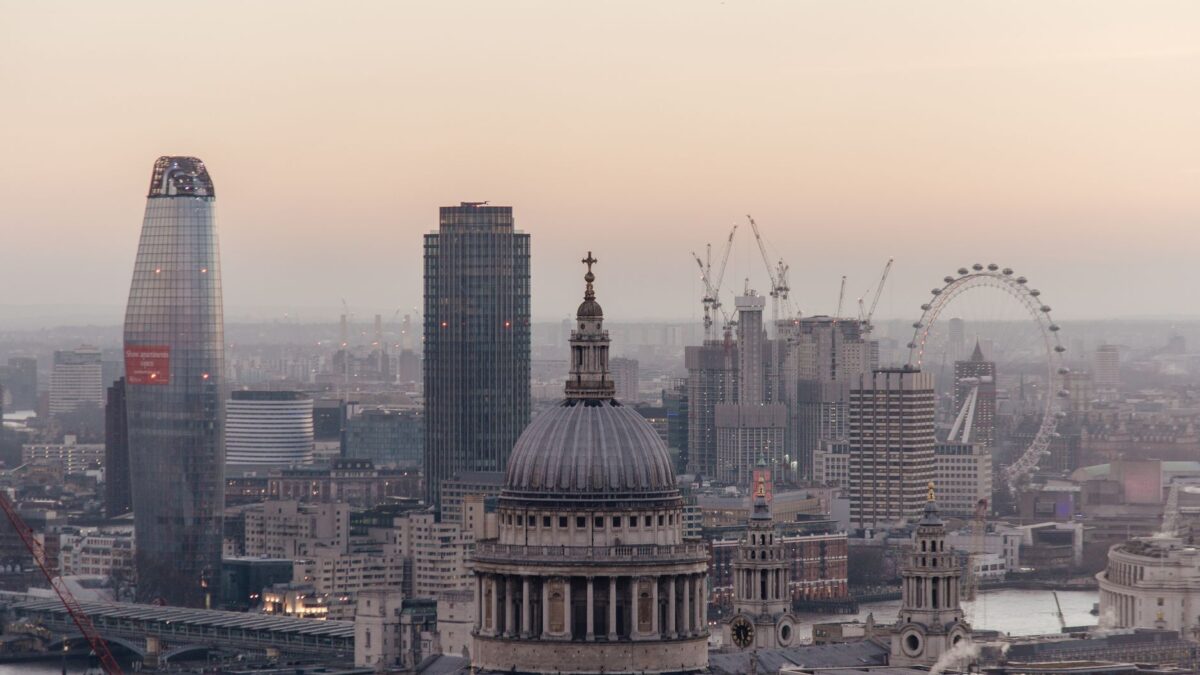
Realistic budget breakdown for a UK trip in 2026. Accommodation, food, transport & attraction costs in GBP for budget, mid-range & comfortable travelers.
 Living Abroad
Moving to United Kingdom: visas, banking and SIM cards
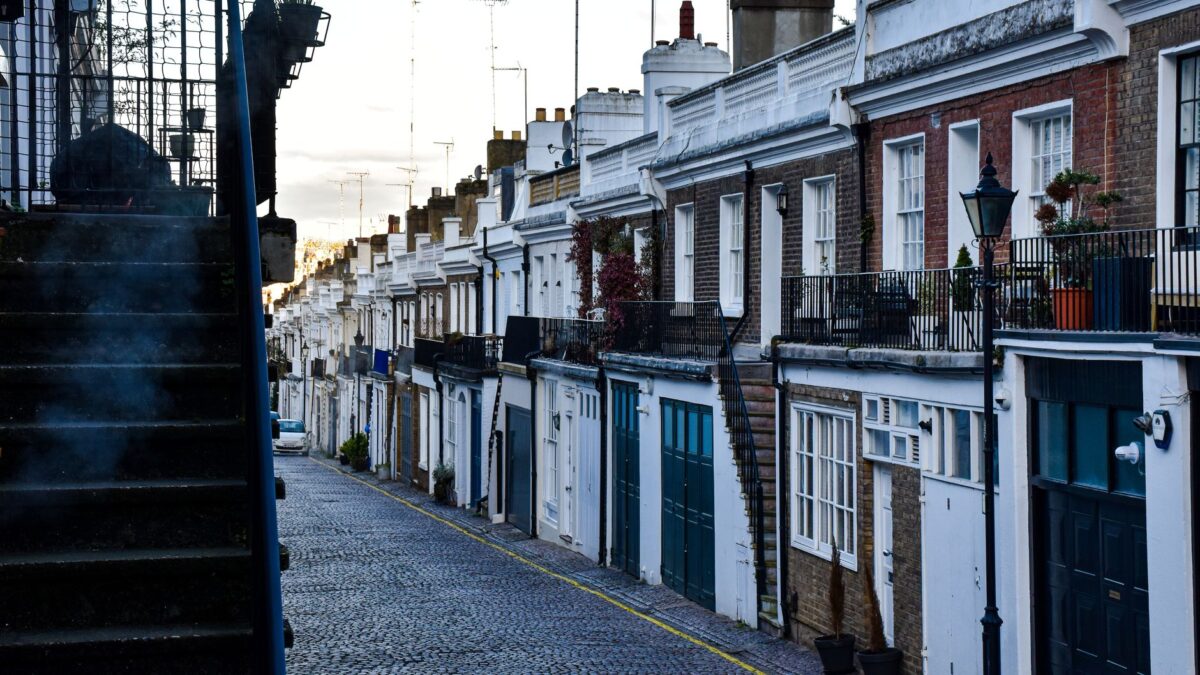
A practical guide for moving to the UK: securing your ETA, opening a bank account, getting a SIM card, and navigating London's transit and…
 News & Updates
United Kingdom in September 2026: what travelers should know now
UK travel briefing Sept 2026: Bayeux Tapestry at BM, transport strikes, weather tips & costs.
 News & Updates
United Kingdom in August 2026: what travelers should know now
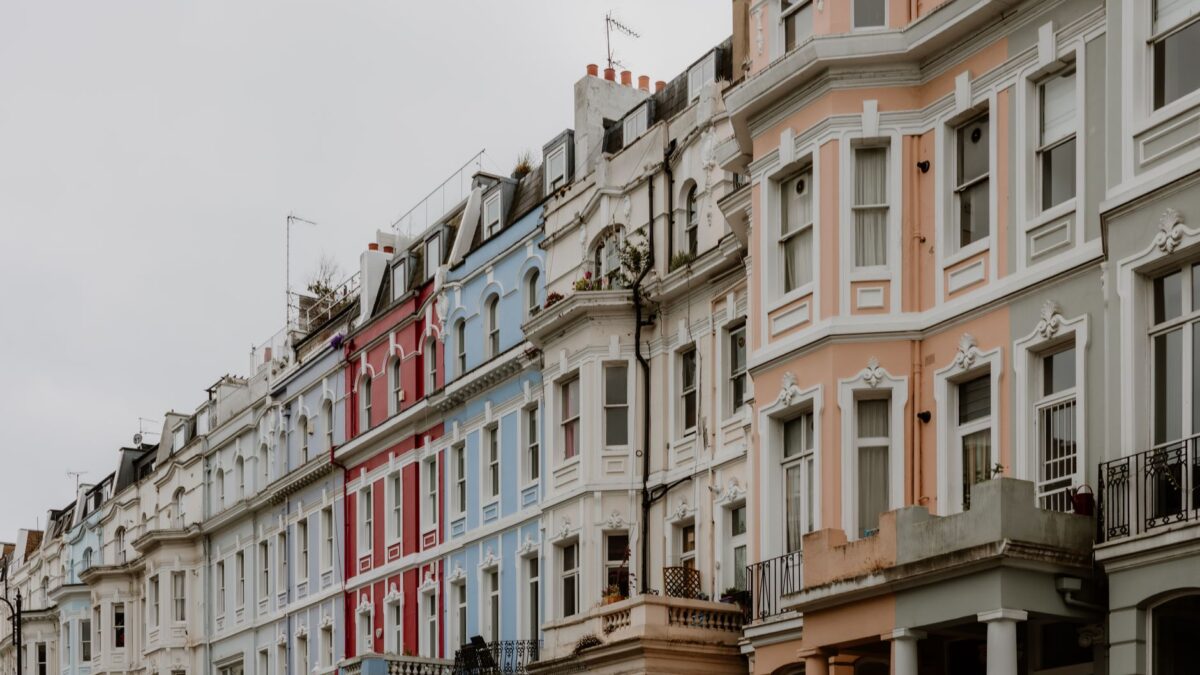
London in August 2026: Notting Hill Carnival, Piccadilly line closures, ETA rules, and what to pack. Expert tips from a local.
Northern Europe
 Ireland
Ireland Travel Podcast with Saoirse Byrne
The western seaboard's sea cliffs face the North Atlantic, while over 40% of the population lives within 100 km of Dublin.
 Denmark
Denmark Travel Podcast with Freja Andersen
The Danish Archipelago's low, gently rolling terrain means no point in the country lies far from the coast, and its more than…
 Sweden
Sweden Travel Podcast with Anton Lindqvist
The Baltic coast holds most of Sweden's population clusters, while the interior north remains sparsely populated and subarctic, and the Danish Straits…
 Norway
Norway Travel Podcast with Ingrid Solberg
A listener gains a resident's perspective on Norway's high plateaus, deep fjords and arctic tundra, learned by living in one place at…