

How much does a trip to Germany cost?
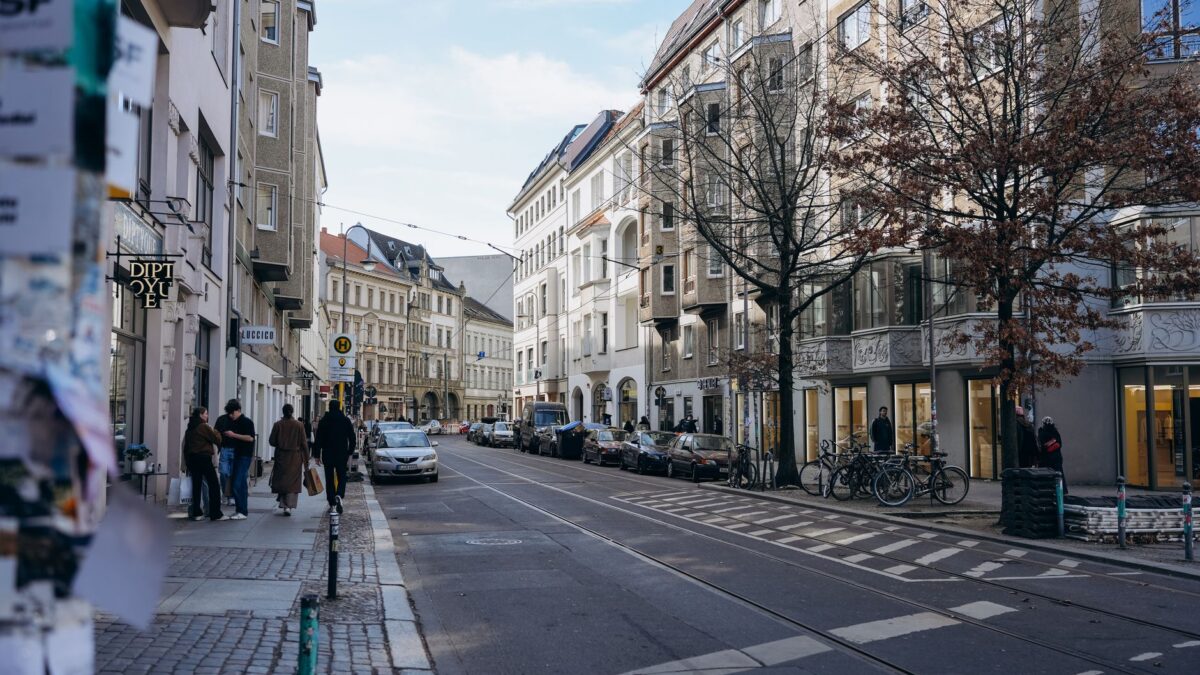
It is early November in Berlin, and the air has that specific, heavy dampness that seeps into your bones. The days are short, with dusk arriving by late afternoon, and the first Christmas market lights are just beginning to flicker on in the second half of the month. You are walking past the Brandenburg Gate, where the sandstone stands stark against a grey sky, and you might be wondering: what will this actually cost me? Germany is often painted as a budget-friendly alternative to London or Paris, but let’s be honest—Berlin is no longer a cheap city. Rents for a modest one-bedroom flat in the centre sit around €1,316 a month, and while a döner kebab from a neighbourhood Imbiss remains a reasonable €7–8, other costs have crept up. But it is manageable if you know where to look. Here is how to break down the real costs of visiting this dynamic capital.
Getting Around: Transit Costs and Current Disruptions
Berlin’s public transport network is run by BVG (for U-Bahn, trams, and buses) and S-Bahn Berlin, all under the VBB tariff umbrella. As of January 2026, a single local transit fare for zones AB—the city core—costs about €4.00. If you plan to visit Potsdam or fly into BER airport, you need zone ABC, where a single ticket runs roughly €4.70. For most visitors, buying a single ticket for every trip adds up quickly, so consider a 4-trip card for €11.60 or the Berlin WelcomeCard, which bundles transport with discounts at over 130 attractions.
However, travel requires flexibility right now. There are significant disruptions affecting your route planning. The M10 tram is currently replaced by buses between U Naturkundemuseum and Kniprodestraße/Danziger Straße, a closure that will widen until just before Christmas. Furthermore, U2 trains do not run between Theodor-Heuss-Platz and Ruhleben until 30 November 2026, with replacement buses causing knock-on delays across the line. Prep work for the rebuild of the Schönhauser Allee bridge has also narrowed roads to one lane each way. While these are annoyances, they don’t break the system; you can still navigate the city efficiently if you check the Jelbi app before heading out.
Where You Sleep: Accommodation Budgets
Accommodation is usually the largest variable in your daily spend. Berlin’s districts offer distinct vibes and price points. In Mitte, the historic core containing Museum Island and Hackesche Höfe courtyards, prices are highest due to tourist density. A mid-range hotel here, such as the Hotel Indigo near the East Side Gallery, will set you back significantly more than options further out.
If you want to save, look toward Friedrichshain or Neukölln. The MEININGER Hotel Berlin Central Station offers hostel-style pricing with private rooms, while hotels like Hotel Neuer Fritz in Kreuzberg provide affordable boutique stays. For a true budget experience, hostels in Kreuzberg or Prenzlauer Berg can be found for under €50 a night. Keep in mind that Berlin is still cheaper than Munich or Frankfurt, but you are paying for the central location. A comfortable mid-range hotel in Schöneberg, near the KaDeWe department store, will cost more than a creative-frontier guesthouse in northern Neukölln, where natural-wine bars and galleries are replacing old industrial spaces.
Eating and Drinking: From Döner to Coffee Culture
Food in Berlin is diverse, and you do not need to spend a fortune to eat well. The famous döner kebab remains a staple of the urban diet. According to recent data, a standard chicken or meat döner from a local Imbiss averages about €7.06. If you opt for a premium steak döner, expect to pay €12 or more. This is a reliable, filling meal that keeps you moving without draining your wallet.
Coffee culture is intense here. You will find extreme café density in gentrified areas like Prenzlauer Berg, where Kollwitzplatz is surrounded by independent roasters. A cup of coffee at a normal café, such as Oslo Kaffebar or Ormado Kaffeehaus, will cost around €4.00. If you are staying longer, cooking is an option. Monthly groceries for one person in a supermarket basket average about €304, though this varies by district. For a nicer dinner, places like Hofbräu Wirtshaus Berlin or Restaurant Maximilians in Mitte offer traditional German cuisine at mid-range prices, while casual spots like Dicke Wirtin provide hearty portions for less.
Attractions and Daily Totals
Berlin’s historical weight comes with an admission price, but many highlights are free. The Memorial to the Murdered Jews of Europe, Peter Eisenman’s field of 2,711 concrete stelae, is free to walk through. The East Side Gallery, the longest surviving stretch of the Berlin Wall, is also open access. However, museums on UNESCO-listed Museum Island charge entry. The Pergamon Museum’s main hall is closed for long-term renovation, but the Neues Museum, housing the Nefertiti bust, is open. Expect museum tickets to range from €10 to €18 per site.
Seasonal events also impact costs. With Reformation Day and All Saints’ Day recently passed, and Repentance and Prayer Day approaching, the city is in a transitional mood. Winter activities, like ice skating on the Tempelhofer Feld decommissioned airport runway, are often low-cost or free. The city is also preparing for Freedom Week in mid-November, marking the anniversary of the Wall falling, with talks and cycle tours that are typically free to attend.
To summarize rough daily totals:
- Budget Traveler: Stay in a hostel in Friedrichshain (€40), eat döner and supermarket snacks (€25), use a single transit ticket or day pass (€8). Total: ~€73/day.
- Mid-Range Traveler: Stay in a mid-tier hotel in Kreuzberg (€100), mix of café lunches and restaurant dinners (€50), Berlin WelcomeCard for transport and discounts (€30). Total: ~€180/day.
- Comfortable Traveler: Stay in a boutique hotel in Mitte (€200+), fine dining and specialty coffee (€80), private tours or multiple museum entries (€50). Total: ~€330+/day.
Berlin rewards those who wander. Whether you are exploring the green expanse of the Grunewald forest or navigating the vibrant streets of SO36, the costs are transparent. Plan for the transit quirks, embrace the seasonal darkness, and you will find that this city, despite its rising rents, remains accessible to the curious visitor.
Frequently asked questions
How much does public transport cost in Berlin?
A single local transit fare (BVG/VBB) in zones AB is approximately €4.00 as of January 2026. Visitors often benefit from the Berlin WelcomeCard, which includes transport and attraction discounts.
Is Berlin expensive compared to other European capitals?
Berlin is noticeably cheaper than London or Paris, though it is no longer considered a 'cheap' city. Rents and some services have risen, but it remains more affordable than Munich or Frankfurt.
What is the average cost of a meal in Berlin?
A standard döner kebab from a neighbourhood Imbiss averages around €7.06. A cup of coffee at a typical café costs about €4.00. Mid-range restaurant meals vary widely by district.
Are there any current transit disruptions in Berlin?
Yes. The M10 tram is replaced by buses until December, and U2 trains are suspended between Theodor-Heuss-Platz and Ruhleben until 30 November 2026. Check the Jelbi app for real-time updates.
Which Berlin districts are best for budget accommodation?
Friedrichshain and Neukölln offer more affordable options compared to the historic core of Mitte. Hostels and mid-range hotels in these areas provide good value.
Things to do in Germany
 Special offer
Neuschwanstein & Linderhof Castle Luxury Private Tour from Munich
 5hours: Guide, Chauffeur & Photographer in Berlin private Tour
 Bodyflying & Indoor Skydiving at FlyStation Munich
 Alsace wine tour and medieval villages. Small group guided tour
 Special offer
Third Reich Walking Tour Munich - Nazi Origins - Max.16 per group
 2 hours Segway Elbe Mini Tour