

Iceland in November 2026: what travelers should know now
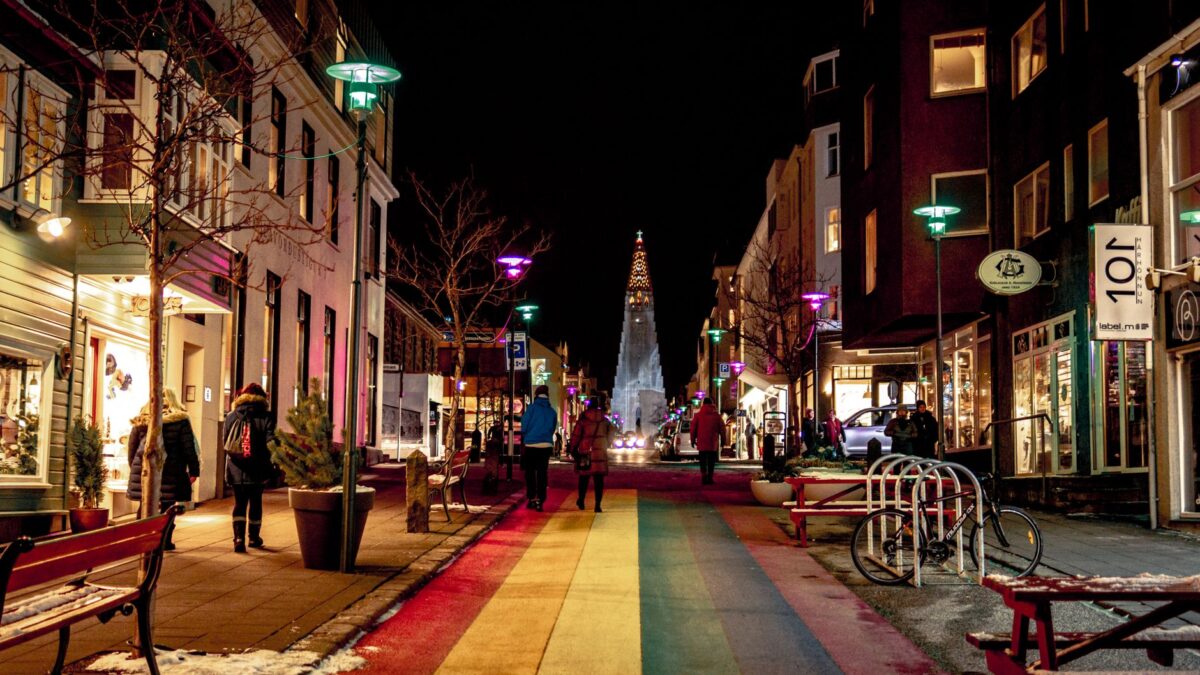
The air in Reykjavík has finally lost its summer warmth, settling into a damp, metallic chill that tells you winter is no longer just a forecast—it’s here. As of early November 2026, the city is caught in a peculiar, vibrant limbo. The days are shrinking rapidly, with light arriving at 09:13 and retreating by 17:07, casting long shadows over the basalt streets. Right now, it is drizzling gently with winds pushing at 35 km/h, making the felt temperature drop to a brisk 6°C. This is the pivot point where the tourist season transitions into the local rhythm, and for those of us living here, it is the most atmospheric time of year. Christmas lights are flickering on downtown, the first real snow dusts the peaks of Mount Esja, and the city is buzzing with a specific energy tied to music and industry.
Weather, Darkness, and Packing for Now
If you are arriving this month, your primary challenge will be the elements, not the itinerary. The weather in November is unpredictable; you might experience clear skies one hour and freezing rain the next. Today’s forecast shows temperatures hovering around 9–10°C, but the wind makes it feel significantly colder. You must pack for layering. A waterproof outer shell is non-negotiable, as is a warm mid-layer. Your footwear needs to handle wet pavement and potential ice patches, which appear quickly on pavements and mountain roads once the ground freezes.
The darkness is the other factor. With only about eight hours of daylight, your sightseeing schedule must be compact. Plan outdoor activities like walking up to Hallgrímskirkja or exploring the Settlement Exhibition for the morning or early afternoon. Save indoor attractions—museums, pools, or cafes—for the late afternoon when the sun has set. If you plan to drive outside the capital, check road.is and safetravel.is religiously. Conditions can change from passable to hazardous within minutes.
Airwaves, Opera Days, and the City’s Cultural Pulse
This week, Reykjavík is undeniably a music city. Iceland Airwaves has taken over the downtown venues, transforming Harpa, Iðnó, and various record shops into hubs of sound. If you are here between now and the weekend, you will notice a surge in visitors and locals alike. Shygirl took the stage at Harpa on November 4th, and Daði Freyr performed with the Iceland Symphony Orchestra on the 5th. For those staying through Monday, The Streets are playing ‘A Grand Don’t Come For Free’ in full at Harpa on November 8th. These events spill out into the surrounding bars, making the city center noticeably busier than typical for this time of year.
Just before the festival peak, the Bransaveisla series fills the days with panels and masterclasses, drawing in music industry professionals. Meanwhile, the Reykjavík Opera Days are winding up at Harpa today, closing out with performances of ‘Bluebeard’s Castle’ and ‘Navaranaaq & Ólafs ríma Grænlendings.’ Even if you aren’t attending these specific shows, the atmosphere in the city is charged. Restaurants and bars downtown are packed, so reservations are essential if you want a table near the end of the week. It is a great excuse to explore the city’s rich arts scene, from the honeycomb glass facade of Harpa to the intimate gigs in smaller venues.
Transport Updates and Navigating the Capital
Navigating Reykjavík in November requires knowing the current transit landscape, which is undergoing some visible changes. Strætó’s Route 8, the university route, has been extended to serve Lækjartorg and Skúlagata more directly, running every 10 minutes during weekday peaks. This is a helpful adjustment if you are moving between Vatnsmýri and the city centre. However, be aware that Menntasveigur is currently closed to traffic due to Borgarlína construction. The Route 8 bus stop there has moved to the coach parking area by the roundabout at the main entrance, so allow extra time if your hotel or destination is nearby.
Payment on buses is strictly digital. Cash is no longer accepted. You must use the Klappið app or a Klapp card. A single adult fare is approximately 670 ISK (about $5), valid for 75 minutes including transfers. If you plan to use the bus frequently, consider the 30-day adult pass for around 11,200 ISK ($80). There is also a daily cap (‘Kapp’) so you never pay for more than three fares in a day. Remember, the Reykjavík City Card covers unlimited Strætó rides, but not airport transfers. For getting from Keflavík Airport (KEF) to the BSÍ terminal in the city, the Flybus coach runs timed to flights and takes about 45 minutes for roughly 4,000 ISK per adult.
Dining, Costs, and Local Realities
Reykjavík remains one of Europe’s most expensive cities, and prices are indexed annually to inflation. While a casual lunch might run 2,500–4,000 ISK, there are reliable ways to keep costs down. The famous lamb hot dog stand, Bæjarins Beztu, offers a ‘pylsa’ with everything for about 820 ISK ($6). For a warmer meal, a bowl of kjötsúpa (lamb and root-vegetable soup) at a gas station or café typically costs between 2,000 and 2,800 ISK ($17–$20). If you prefer fish, plokkfiskur (creamy cod stew) is a staple at 2,500–3,000 ISK ($20).
For a more varied dining experience, Hlemmur Mathöll food hall is a great option. Here, you can find meals from various stalls for 2,200–3,400 ISK ($20), offering a taste of Icelandic cuisine without the sit-down price tag. Supermarket staples like skyr (500g tub) cost around 350–500 ISK ($3), making grocery shopping a viable strategy for budget travelers. If you choose to dine out at a mid-range restaurant, expect main courses to range from 3,000 to 5,000 ISK ($29). A pint of local craft beer in a bar will set you back 1,200–1,800 ISK ($11), though happy hours often offer half-price deals.
Practical Tips for the New Arrival
As you settle in, remember that Iceland is a cashless society. Cards work everywhere, including at geothermal pools and buses. Locals often split bills using apps like Aur or Kass. If you are staying long-term, securing a kennitala (national ID number) is your first priority; nothing works without it, from banking to leases. For short-term visitors, ensure you have a physical SIM card if you need electronic ID access, as eSIMs from home may not support all local services.
Safety in Reykjavík is high, but petty crime can occur in downtown bars late at night. Keep an eye on your belongings. The real danger lies in nature, so always respect road closures and weather warnings. Finally, embrace the local pool culture. Whether it’s Sundhöll Vesturbæjar or Laugardalslaug, shower thoroughly without swimwear before entering the hot pots. It is the best way to warm up after a cold November walk and a chance to chat with locals who speak little English but welcome you warmly.
Frequently asked questions
Is it safe to drive in Iceland in November 2026?
Driving is possible but requires caution due to shorter days, potential ice, and sudden weather changes. Always check road.is and safetravel.is before departing, and avoid driving on mountain roads unless experienced.
What major events are happening in Reykjavík in November 2026?
The city is hosting Iceland Airwaves (Nov 5-7) with performances at Harpa and other venues, along with the Bransaveisla music industry seminars. The Reykjavík Opera Days are concluding with final shows at Harpa.
How much does a bus ticket cost in Reykjavík right now?
A single adult fare on Strætó buses is approximately 670 ISK (about $5), valid for 75 minutes. Payment is digital only via the Klappið app or Klapp card; cash is not accepted.
Are there any road closures or transport changes affecting tourists?
Yes, Menntasveigur is closed to traffic due to Borgarlína construction, and the Route 8 bus stop has moved to the coach parking area. Additionally, Route 8 now serves Lækjartorg and Skúlagata more frequently.
What are affordable food options in Reykjavík this month?
Budget-friendly options include the Bæjarins Beztu hot dog stand (~820 ISK), lamb soup at gas stations (2,000–2,800 ISK), and meals at Hlemmur Mathöll food hall (2,200–3,400 ISK).


