

A first-timer’s guide to Malta
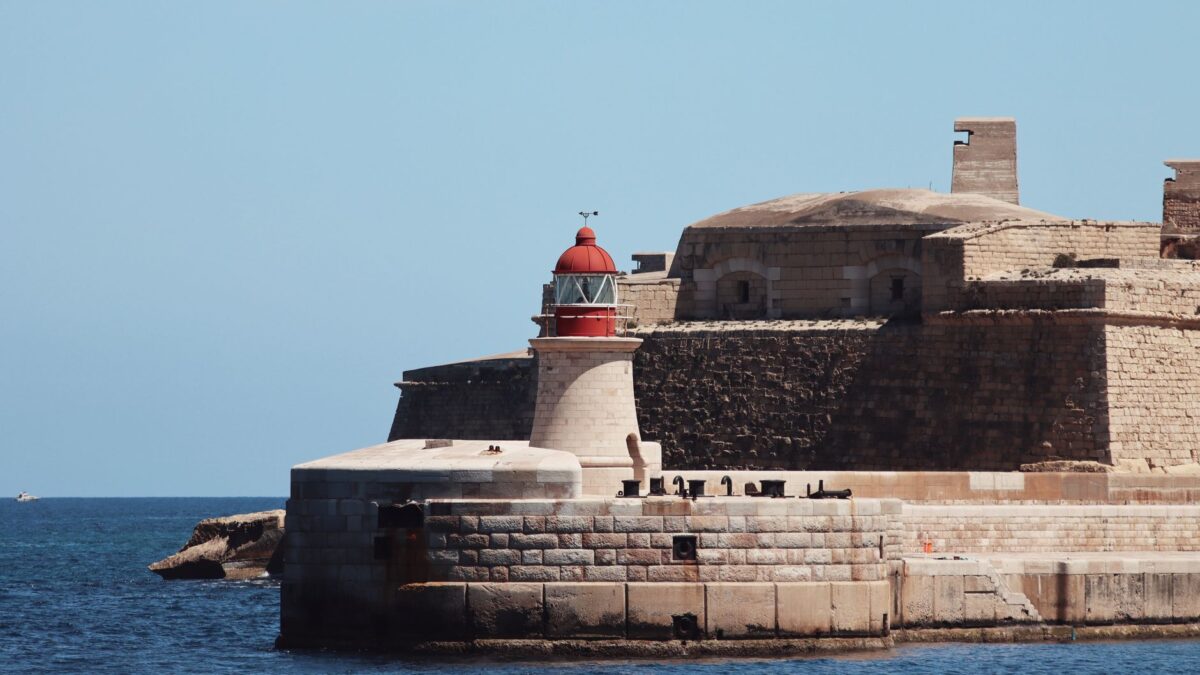
The wind is whipping off the Grand Harbour at 32 km/h, rattling the wrought-iron balconies of Republic Street. It is November in Valletta, that peculiar in-between moment where the summer crowds have vanished but the first gregale gales are just beginning to arrive. The sea remains warm enough for a swim, yet the evenings shorten, casting long shadows over the honey-coloured limestone facades. This is not the Malta of postcards; this is the Malta of lived life, where pomegranates and freshly pressed olive oil appear in local markets, and the rhythm slows down just enough for you to finally hear yourself think.
When to Visit: Chasing the Light
If you can choose your dates, aim for late spring or early autumn. Summer brings heat, yes, but also a crush of cruise ships and noise. Early November, like today, offers a serene authenticity. You will find fewer queues at the major sites and a more intimate atmosphere in the cafes. However, be prepared for changeable weather. While the sun shines brightly one hour, clouds may roll in by the next, bringing that brisk Mediterranean breeze. If you visit during school holidays, particularly around mid-November, expect larger family crowds and some venue closures as local arts festivals take over the city.
Getting Around: Buses, Not Cars
Navigate with patience and a tallinja card. Malta has no trains or metro; it runs entirely on buses managed by Malta Public Transport. For visitors, the system is straightforward but requires vigilance. Single cash fares are approximately €2.00 in winter and €2.50 in summer, valid for two hours. I cannot stress this enough: you must tap your card when boarding and again when alighting. Failure to do so results in a hefty €50 fine, which inspectors issue without hesitation.
For most first-timers, the 7-Day Explore Card (around €25) is the best value if you plan to hop between Valletta, Sliema, and the beaches. If you are staying longer, consider getting a personalised tallinja card for a fare cap of about €26 per month. Be aware that bus frequencies shift significantly with the seasons; winter timetables often reduce weekend service compared to the summer pattern, so check the app before you head out. Taxis are available but can be scarce during peak conference times or nightlife hours in St Julian’s.
The Essentials: Money, Maps, and Mindset
You will use the euro (EUR) everywhere. As of recent data, inflation sits around 2.4%, keeping costs relatively stable, though Valletta remains the most expensive area on the island. Rent for a modest one-bedroom flat in the centre can range from €1,100 to €1,600 monthly, reflecting its status as a UNESCO baroque capital. For daily expenses, however, you do not need to break the bank.
Eating well locally is affordable if you know where to look. A single pastizz—a flaky pastry filled with ricotta or peas—costs between €0.50 and €1.00 at a pastizzerija. A slice of street pizza is roughly €2 to €3. If you want a heartier meal, try ħobż biż-żejt (Maltese bread with toppings), which often costs under €5. These snacks are staples of Maltese culture, found on nearly every corner. Conversely, sit-down restaurants in tourist hubs like Paceville or the waterfront can be pricey. Stick to local spots in Floriana or the Three Cities for better value and atmosphere.
Safety is rarely a concern. Valletta is consistently ranked among Europe’s safest capitals. The main precautions involve petty theft in crowded areas and being mindful of traffic outside the old city, where driving is on the left and speeds can be fast. At night, exercise standard caution in Paceville, Malta’s nightlife hub, where rowdiness can spike on weekends.
Must-See Landmarks and Hidden Gems
Your itinerary should balance the grandeur of the Knights’ legacy with the quiet charm of everyday life. Start at St John’s Co-Cathedral. Built in 1577, its interior is an overwhelming display of Baroque opulence, but look up for Caravaggio’s ‘The Beheading of St John the Baptist,’ the only large painting by the master to bear his signature. Nearby, the Upper Barrakka Gardens offer the classic harbour view, especially striking when the Saluting Battery fires its cannons at noon and 4 pm.
Do not miss the Ħal Saflieni Hypogeum in Paola. It is the world’s only prehistoric underground temple necropolis, but access is strictly limited to 80 visitors a day. You must book weeks, sometimes months, in advance. For a different perspective, cross the Grand Harbour to the Three Cities (Birgu, Senglea, and Cospicua). These Knights’ strongholds feel more authentic and less polished than Valletta, with Fort St Angelo standing guard over the water.
If you have time, take the ferry from Ċirkewwa to Gozo. The island of Comino, accessible via Gozo, hosts the Blue Lagoon, a stunning turquoise lagoon that draws thousands. Alternatively, drive south to Marsaxlokk for its colourful luzzu fishing boats and the famous Sunday fish market, where you can watch vendors auction fresh catch while locals shop for their weekly meals.
Practicalities: Visa, SIM, and Stay
Malta is part of the Schengen Area. Most Western nationals can enter visa-free for up to 90 days within any 180-day period, though remember that ETIAS registration will soon be required for visa-exempt visitors. If you plan to stay longer, EU/EEA/Swiss nationals must register with Identità after three months. Non-EU remote workers can apply for a Nomad Residence Permit, requiring a minimum foreign income of €42,000 per year.
For connectivity, there are three mobile networks: GO, Melita, and Epic. Prepaid tourist SIMs are easy to pick up at the airport or in Valletta. If you are from the EU, your home plan likely covers roaming, but a local SIM is cheaper for extended stays. Banking can be bureaucratic; high-street banks like Bank of Valletta (BOV) and HSBC Malta require appointments and extensive paperwork. Many newcomers bridge the gap using digital services like Revolut or Wise until they establish local residency.
Finally, immerse yourself in the culture. Attend the Science in the City’s Performance Festival if you are visiting in early November, or catch the jazz series at the Sagrestia Vault. Listen to the stories behind the filigree silver and bobbin lace at Ta’ Qali Crafts Village. Malta is small, but its layers of history—from Phoenician traders to British colonizers—are deep. Take your time. Let the light hit the limestone just right. And never leave without trying a glass of Kinnie, that bitter-sweet local soft drink, or a plate of fenek (rabbit stew), if you are brave enough to try the national dish.
Frequently asked questions
How much does a local bus ticket cost in Malta?
Single cash fares are approximately €2.00 in winter and €2.50 in summer. Both are valid for two hours. Visitors can also buy a 7-Day Explore Card for around €25.
Is it safe to walk around Valletta at night?
Yes, Valletta is consistently ranked among Europe's safest capitals. Standard precautions against petty theft apply, but violent crime is rare. Exercise more caution in the Paceville nightlife district on weekends.
Do I need a visa to visit Malta?
Malta is in the Schengen Area. Most Western nationals enter visa-free for up to 90 days in any 180-day period. Note that ETIAS registration will soon be mandatory for visa-exempt travelers.
What are some cheap local food options in Valletta?
Pastizzi (ricotta or pea pastries) cost between €0.50 and €1.00. Street pizza slices are around €2–€3, and ħobż biż-żejt (bread with toppings) is typically under €5.
How do I get to the Ħal Saflieni Hypogeum?
You must book tickets well in advance as visitor numbers are strictly capped at 80 per day. It is located in Paola, south of Valletta, and is accessible by bus or taxi.


