

Indonesia in November 2026: what travelers should know now
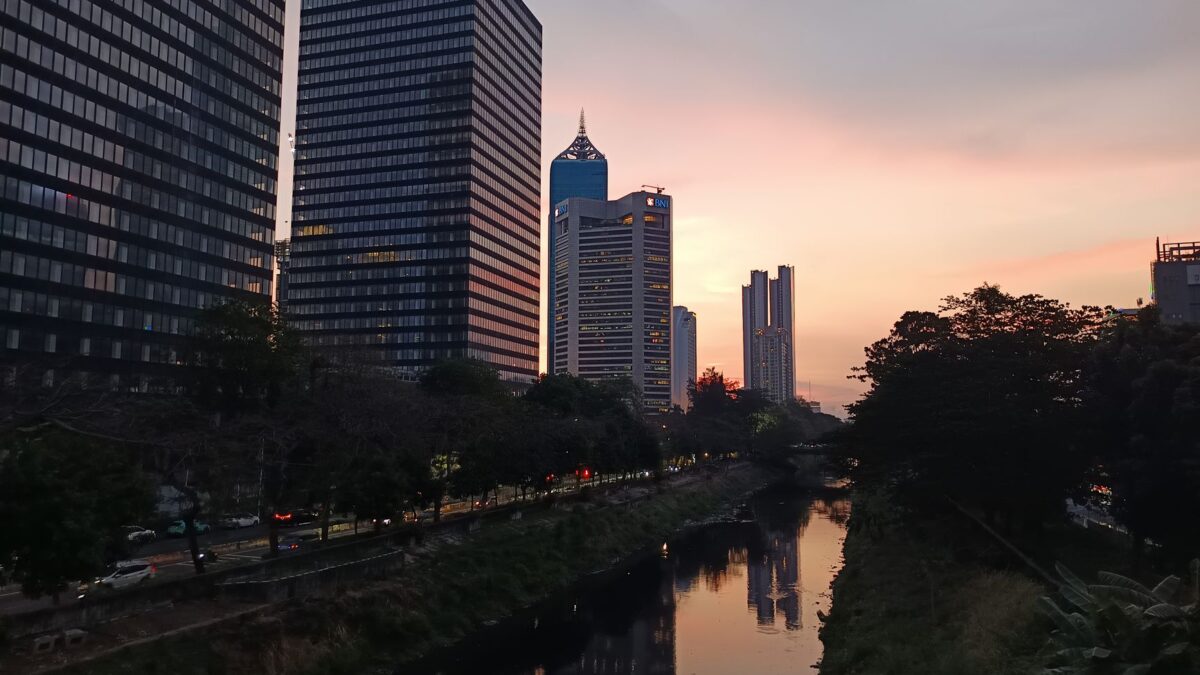
It is November 3, 2026, and Jakarta is sitting on a hinge. The air outside feels thick enough to chew—currently hovering around 26°C with a ‘feels like’ temperature of 40°C—and the humidity is doing that classic trick of making your shirt stick to your back before you’ve even walked ten steps. But if you look up, the sky is doing its pre-monsoon magic: bright blue in the morning, then suddenly bruising purple by mid-afternoon. Today’s forecast calls for just 2mm of rain over four hours, but you know better than to trust the first drop. In this city, the wet season doesn’t announce itself with a whisper; it kicks the door down.
If you are landing this month, or living here and trying to navigate the coming weeks, the rhythm of life is dictated by this sudden shift. The streets empty into puddles, underpasses flood without warning, and what should be a forty-five-minute drive from South Jakarta to the CBD turns into a two-hour ordeal. You need a rain layer. You need patience. And you need to know what is actually happening right now, because the calendar is packed with events that define the city’s current mood.
The Seasonal Shift: Planning Around the Rain
Early November is the transition period. Mornings are sticky and bright, perfect for wandering through leafy districts like Menteng or snapping photos in Kota Tua before the heat gets oppressive. But the afternoon downpours are hard and abrupt. This isn’t the gentle drizzle of Europe; it is a deluge that closes roads instantly. As a local, my advice is simple: plan outdoor activities for before 11 AM. By 2 PM, you should be indoors, watching the world wash away.
Pack light, breathable cotton, but never leave home without a compact umbrella or a waterproof shell. If you are caught in traffic during these sudden showers, remember that motorbikes will ignore red lights and flooded intersections. Safety tip: always look right first, not just left. The real hazards here aren’t violent crime—they are bag-snatching in crowded spots like Blok M after dark, and the sheer chaos of monsoon flooding, known locally as banjir, which can strand you for hours if you underestimate the water levels.
Festivals and Cultural Pulse: What Is On Now
Despite the weather, Jakarta’s cultural engine is roaring. We are currently in the thick of several major events that showcase the city’s blend of traditional roots and modern energy. First, keep an eye on the Children’s Play Festival. It has taken over the Car Free Day area at Gelora Bung Karno (GBK), bringing back eighteen traditional games like stilts, jump ropes, and spinning tops. There are repeat sessions at GBK’s Main Gate on November 8 and 15, with a grand finale scheduled for November 22 at the Moja Museum. It is a fantastic way to see Betawi culture in action—ondel-ondel puppets and all.
For music lovers, the city is split between nostalgia and new waves. The Jakarta Jali-Jali Festival recently took over the Muhammad Mashabi arts training centre in Tanah Abang, putting street musicians on a formal stage under the theme ‘Local Music, National Stage’. Meanwhile, the massive Remember Fest 2026 x Cube Concert is mixing stadium-scale acts like Dewa 19, Tulus, and Jamrud with outdoor film screenings and UMKM food stalls at Gambir Expo and JIExpo Kemayoran, running through November 8. If you prefer indie and shoegaze, mark your calendar for late November: Joyland Sessions returns to GBK City Park on November 28–29, featuring acts like Slowdive, Caribou, and Efek Rumah Kaca, plus workshops and a food village.
These events mean crowds. If you are heading to GBK or JIExpo, expect heavy traffic. Use the MRT or TransJakarta where possible, but be warned: public transport quirks are in the news. Just yesterday, two Transjakarta buses got jammed nose-to-tail in a single busway lane at Tugu Tani due to an uncontrolled crossing point in the contraflow scheme. It went viral, reminding us that while the system is improving, it is still prone to snarls during rush hour (06:00–10:00).
Infrastructure and Getting Around
Transport in Jakarta is a mix of high-tech efficiency and chaotic improvisation. The umbrella system is Jak Lingko, which integrates the MRT, TransJakarta BRT, KRL Commuter Line, and LRT. A single integrated fare cap is about IDR 10,000 (approx. $0.6) within three hours. You can use the Jak Lingko card issued by Bank DKI, the MRT’s Kartu Jelajah Multi-Trip Ticket (MTT) for about IDR 25,000 with a refundable deposit, or any bank e-money card like Mandiri e-money or BCA Flazz.
However, infrastructure work is ongoing. Lane-narrowing and shifted medians are in place along Jl M.H. Thamrin (from Patung Kuda to the HI roundabout) and on Jl Wahid Hasyim due to MRT Phase 2 CP-201 works around the new Thamrin station. These disruptions continue through November 30. If you are driving, expect delays. If you are taking the MRT, enjoy the ride—it is one of the few places in Jakarta where you won’t get stuck in traffic. For shorter hops, Grab and Gojek are how everyone actually fills the gaps, weaving through jams that would stop a car dead.
A note on costs: Jakarta remains cheap by regional standards. A meal at a warteg (local canteen) with rice, fried chicken, tempe, and vegetables runs about IDR 15,000–20,000 (approx. $1.1). Street stall nasi goreng is similarly priced at IDR 15,000–25,000. However, staple-food inflation is pushing prices up slightly—the classic IDR 10,000 set is becoming a memory. TransJakarta’s flat fare is IDR 3,500, though there are talks of raising it to IDR 5,000–7,000 soon. Keep small change handy.
Practical Tips for November Arrivals
If you are arriving this month, here is what you need to know to stay smooth. First, visas: Most Western and ASEAN-plus passports can use the e-VOA (evisa.imigrasi.go.id) for IDR 500,000, valid for 30 days and extendable once. Ensure your passport has six months’ validity and an onward ticket. Don’t forget the two mandatory forms: the ‘All Indonesia’ arrival card (file within 3 days of arrival via allindonesia.imigrasi.go.id) and the e-CD customs declaration (ecd.beacukai.go.id). Soekarno-Hatta Airport now has biometric autogates for e-VOA holders, so use them to skip the queues.
Second, connectivity. Buy a prepaid SIM at a GraPARI store or official counter, not a street kiosk, to ensure your IMEI and registration are done cleanly. Telkomsel has the best coverage, but Indosat/IM3 and XL Axiata are solid alternatives. Data bundles are cheap and easy to top up via minimarkets or e-wallets.
Third, banking. Tourists on a VOA generally cannot open a full account, but you can get a transit-ready e-money card at any major bank branch (BCA, Mandiri, BNI, BRI) if you have your passport and local address. These cards double as transit tickets for MRT and TransJakarta. If you plan to stay long-term, you will eventually need a KITAS/e-ITAS, followed by the SKTT (local residence certificate) from your kelurahan. Leaving for good requires an Exit Permit Only (EPO).
Finally, explore beyond the malls. Head to Jalan Sabang for authentic Betawi cooking like kerak telor and sate taichan (grilled skewers without peanut sauce, starting at IDR 15,000). Visit the Museum Nasional Indonesia (‘Museum Gajah’) beside Monas for its 141,000+ objects, or take a fast boat to Kepulauan Seribu for a weekend escape to snorkeling and reef flats. Jakarta is adjusting to its new status as a special capital region, losing its political title to Nusantara but keeping its economic heart. Enjoy the noise, the rain, and the incredible energy of the city—it is at its most vibrant right now.
Frequently asked questions
What is the weather like in Jakarta in November 2026?
November marks the start of the wet season. Expect high humidity with temperatures around 26–36°C (feels like 40°C) and sudden, heavy afternoon downpours. Pack light clothing but carry a reliable rain layer.
Are there any major festivals happening in Jakarta this month?
Yes. The Children’s Play Festival runs at GBK with sessions on Nov 8, 15, and a finale on Nov 22. Remember Fest 2026 x Cube Concert is at JIExpo Kemayoran through Nov 8, and Joyland Sessions returns to GBK on Nov 28–29.
How much does a typical local meal cost in Jakarta?
A meal at a warteg (local canteen) costs about IDR 15,000–20,000 (approx. $1.1). Street food like nasi goreng or sate ayam ranges from IDR 15,000 to 30,000 (approx. $1–$1.6).
What is the best way to pay for public transport in Jakarta?
Use the Jak Lingko integrated system. You can buy a Jak Lingko card, use an MRT Kartu Jelajah Multi-Trip Ticket, or use any major bank's e-money card (like BCA Flazz or Mandiri e-money) for capped fares across MRT, TransJakarta, and KRL.
Do I need a visa to enter Indonesia in November 2026?
Most Western and ASEAN-plus passport holders can use the e-VOA for IDR 500,000 (30 days, extendable once). Ensure your passport has 6 months' validity and file the 'All Indonesia' arrival card within 3 days of arrival.
Things to do in Indonesia
 PRIVATE Authentic Balinese Cooking Class in Ubud at Putu's Home
 Ubud Highlights: Monkey Forest, Rice Terrace, Tirta Empul Temple
 Anggrek Putih Cooking class & Garden Tour
 Ubud Adventure All Inclusive Private Day Tour
 Likely to sell out
Nusa Penida Two Dives Trip for Certified Divers
 Bali Airport Transfer Service in Private