

What to eat in Tunisia — and what it costs
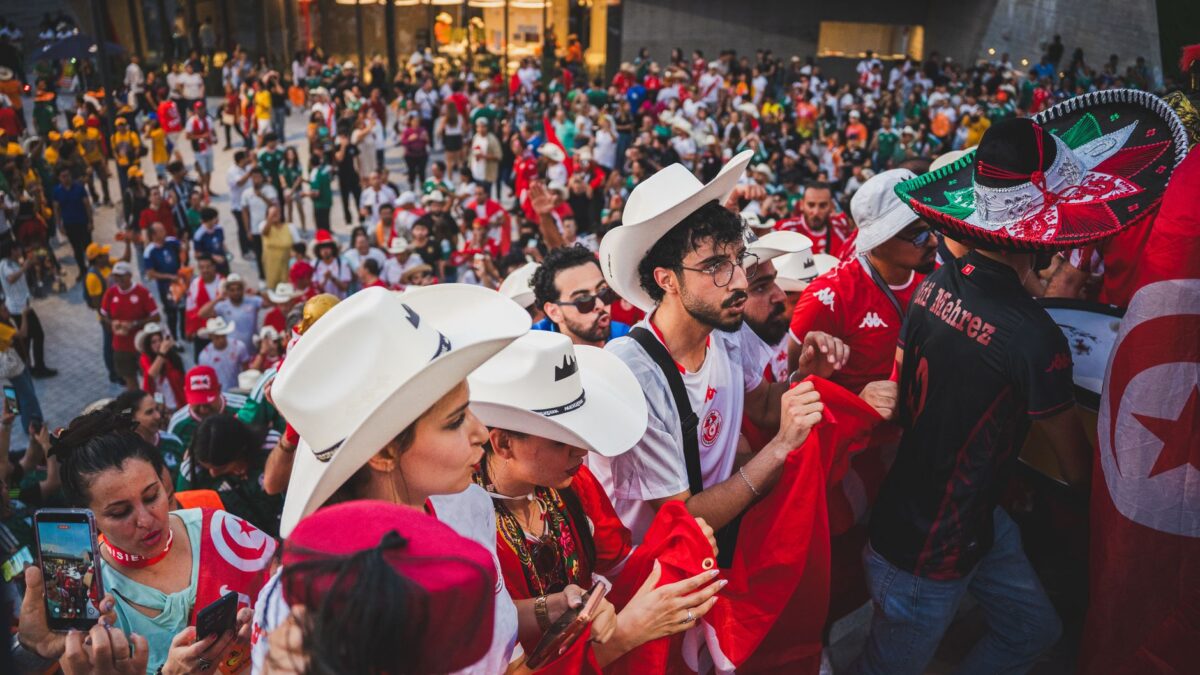
The air in the medina doesn’t just smell of cumin and roasting lamb; it smells of opportunity. It is early November, and while the rest of Europe is bracing for damp chill, Tunis is holding onto a warm 21°C afternoon. Olive harvest season has begun, meaning the roadside presses are running hot and the markets are overflowing with fresh pomegranates and citrus. This is the best time to eat here. The streets are alive, the café terraces are still full after dark, and your wallet will stretch further than almost anywhere else in the Mediterranean. I am Rania Ben Salah, and today I am telling you exactly what to eat in Tunisia, where to find it, and how much it will actually cost you.
The Street Food Staples: Breakfast and Quick Bites
If you want to eat like a local, you must start your day with lablabi. This is not merely soup; it is a cultural institution. A steaming bowl of chickpeas soaked in garlicky olive oil bread broth, topped with harissa, capers, anchovies, and a soft-boiled or poached egg. You can get this at dawn in any neighborhood corner shop. At places like Bab Tounès, which sits near the entrance to the medina, you can grab a bowl for about 3 TND (roughly $1.0). It is hearty, spicy, and wakes you up better than any espresso.
For a mid-morning snack, look for the brik à l’œuf. It is a triangular pastry, fried until golden and crisp, filled with tuna, parsley, and a runny egg yolk that bursts when you bite it. In the souks, specifically near Souk El Attarine, these sell for around 2 TND ($0.6). They are cheap, greasy in the best possible way, and perfect for eating while walking through the labyrinthine alleys.
Do not skip the coffee culture. After your brik, head to Sakrani’s coffee or Ben Rahim Coffee Company. You are looking for a traditional Turkish-style coffee or a strong cappuccino. Expect to pay about 3.4 TND ($1.1) for a cup. It is an affordable ritual. Sit outside if the weather permits—the light hitting the ochre walls of the medina is spectacular this time of year.
Lunch in the Medina: Simple, Honest, and Delicious
Lunch in Tunis is often a quick affair, but it does not have to be simple in flavor. The most famous dish you must try is couscous. While often reserved for Fridays in family homes, many restaurants serve it daily. Look for Restaurant Set Al Habayeb or Com Art Restaurant for authentic preparations. You will typically get vegetable couscous on weekdays and meat couscous on Fridays. A meal at an inexpensive local restaurant, what we call a resto populaire, will cost you around 13.5 TND ($4).
If you are craving something lighter but equally iconic, seek out chakhchoukha. This is a hand-rolled semolina dish, similar to pasta, served with a spicy tomato and meat sauce. It is labor-intensive to make, which is why it feels so special. You can find excellent versions in the deeper parts of the souks. Pair it with a glass of mint tea, which usually costs less than 1 TND, and you have a complete meal for under 15 TND.
Vegetarians, take note: Le Jardin des Légumes offers a fantastic alternative. If you want to step away from the meat-heavy traditional fare, this spot provides fresh, locally sourced salads and grilled vegetables. Prices here are slightly higher than the street stalls but still very reasonable, fitting comfortably within the budget of a traveler who wants comfort without breaking the bank.
Dinner and Mid-Range Dining: Where to Spend Your Dinars
As evening falls, the energy shifts. The heat dissipates, and the city comes alive with dinner crowds. For a sit-down meal that feels special, aim for a mid-range restaurant. According to current data, a meal for two with three courses at a mid-range establishment runs about 65 TND ($21). This allows you to order appetizers like zaalouk (smoked eggplant dip) and main courses featuring lamb or chicken tagine.
I recommend Restaurant des Arts for a refined experience that still respects tradition. It is located near the cultural hubs, making it easy to combine dinner with a visit to the nearby exhibitions. If you are in the mood for international flavors mixed with local ingredients, Treehouse coffee shop also serves excellent light dinners in a relaxed setting.
For those who enjoy a cold beer with their meal, local draft beer (0.5 L) costs about 5 TND ($1.6). It is refreshing after a day of walking through the souks. However, remember that alcohol is not as ubiquitous as wine in France; it is mostly found in hotels and specific bars. If you prefer non-alcoholic options, fresh sugarcane juice (quis saqaya) is available everywhere for pennies.
Practical Costs: Transport, Accommodation, and Daily Life
Understanding the cost structure helps you plan your trip. Tunis remains very cheap by Mediterranean standards. Bread and milk are state-subsidized, so a 500g loaf of white bread costs about 1.1 TND (subsidized baguettes can be as low as 0.4 TND), and a liter of milk is roughly 1.5 TND. These basics are incredibly affordable.
Getting around is easy and cheap. The TGM train, which connects Tunis-Marine to La Marsa via Carthage and Sidi Bou Said, is the best way to see the coast. A single ride costs between 0.7 and 1 TND. Within the city, the light metro (Métro Léger) operated by Transtu costs 1 TND per ride. Taxis are metered; the flagfall is 0.9 TND, and a short hop across town should total no more than 4–7 TND. Apps like Bolt and Yango work well and provide transparent pricing.
Housing costs are the biggest outlier. Renting a modest one-bedroom flat in the city center averages around 900 TND ($290) per month, which is high relative to the average net salary of 1,100 TND. However, as a tourist, you will stay in hotels or guesthouses. Budget travelers can find decent rooms in the medina for significantly less, while luxury suites in areas like Berges du Lac will command higher prices. Always negotiate or check online platforms for the best rates.
Where to Eat: A Local’s Guide to Neighborhoods
Your location dictates your dining experience. In the Ville Nouvelle, along Avenue Habib Bourguiba, you will find more modern cafes and international chains. The One Coffee Lounge is a great spot for a break here. The architecture is stunning, with landmarks like the St Vincent de Paul Cathedral and the Municipal Theatre surrounding you.
In the Medina, food is traditional and intense. Stick to the main souks for variety. Souk Ech-Chaouachine is famous for its chéchia makers, but the adjacent eateries serve some of the best lablabi in the city. Be wary of unofficial ‘guides’ trying to lead you to overpriced spots; ignore them and follow your nose.
If you venture to Sidi Bou Said, the blue-and-white village above Tunis, expect to pay more. The view is priceless, and the food is good, but it is a tourist hub. For authentic prices and atmosphere, return to the medina or explore La Goulette (Khalouia), the old port area known for its seafood. The fish markets there are bustling, and many restaurants cook your catch of the day immediately. It is a must-visit for seafood lovers.
Finally, keep in mind that Tunisia is safe for tourists, with low street crime in Tunis. The main friction points are touts and chaotic traffic, not safety concerns. Enjoy the hospitality, respect the local customs, and let the food guide you. From a 3 TND bowl of lablabi to a 65 TND dinner for two, Tunisia offers a culinary adventure that is as affordable as it is unforgettable.
Frequently asked questions
How much does a typical meal cost in Tunis?
A meal at an inexpensive local restaurant costs around 13.5 TND ($4), while a three-course meal for two at a mid-range restaurant is approximately 65 TND ($21).
What is the cheapest thing to eat in Tunisia?
Lablabi, a chickpea and bread soup, is extremely affordable, costing about 3 TND ($1.0). A brik pastry is even cheaper at around 2 TND ($0.6).
Is public transport expensive in Tunis?
No, public transport is very cheap. A single bus or tram ride is 1 TND, and a monthly pass is about 50 TND. Taxis for short hops cost 4–7 TND.
Where can I find the best couscous in Tunis?
Try Restaurant Set Al Habayeb or Com Art Restaurant for authentic preparations. Many local restos serve it daily, though Friday meat couscous is the traditional highlight.
What is the currency and exchange rate in Tunisia?
The currency is the Tunisian Dinar (TND). As of recent data, the rate is approximately 3.107 TND per US dollar, though the dinar is not freely convertible abroad.
Things to do in Tunisia
 VIP transfer between Tunis Carthage Airport and a hotel in Tunis
 07 -Guided day Tour Tunisia Monumental
 2D/1N Private Adventure – Explore Southern Tunisia, Douz & Tozeur
 Special offer
Horseback riding with private transfer
 Dromedary Expedition with Night in Camp and Sandboard
 Excursion VIP Tunis Medina Carthage Sidi BouSaid