

Romania in November 2026: what travelers should know now
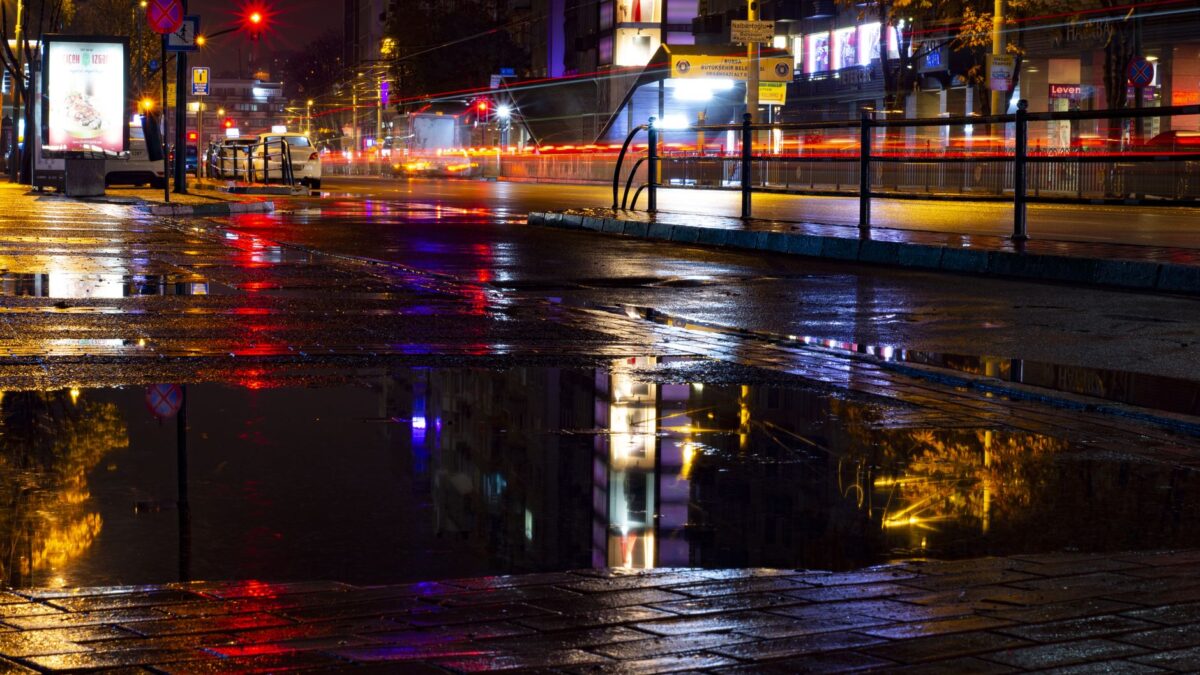
It is that peculiar time of year in Bucharest when the sky hangs low and grey, pressing down on the Belle Époque boulevards with a damp, heavy hand. As of early November 2026, the air sits at a chilly 7–9°C, carrying the scent of wet leaves and coal smoke. You will likely have encountered at least one shower by now; the forecast for today shows light rain persisting through the late afternoon. This is not the picturesque autumn of postcards—it is the grey, damp tail end of the season, where fog clings to the Văcărești reedbeds until mid-morning and darkness falls by 4:30 PM. But there is a strange warmth to it, too. While the Christmas markets are still three weeks away, scaffolding and cherry-pickers are already visible over the central streets as crews install the city’s six million Christmas lights. You are arriving in a city caught between the melancholy of late autumn and the bright anticipation of winter.
Navigating the Wet Streets and Construction
Your first practical challenge this month is movement. If you planned a leisurely tram ride along Bulevardul Unirii or through the Old Town, be prepared for delays. Tram-line rehabilitation sites and ongoing M6 metro construction have kept lane restrictions in place across the city. The Basarab overpass has only just fully reopened to trams and cars after summer repairs, but expect detours and slow cross-town trips. Public transport fares also shifted significantly earlier this year; as of May 2026, single metro rides jumped to around 7 RON (approx. $1.5), and integrated monthly passes sit near 196 RON (approx. $45). For short stays, the integrated ‘Tourist Travel Pass’ offers better value at roughly 20 RON for 24 hours. Remember that the metro closes around 11:00 PM, so late nights mean relying on Bolt or Uber rather than night buses.
Packing for this weather requires more than just a scarf. The rain here is persistent, often lasting hours even if it is light. Bring waterproof footwear—you will be walking on wet cobblestones in Lipscani—and a sturdy umbrella that can withstand the occasional gust. The humidity seeps into everything, so layers are essential. A wool coat over a thermal layer works best, allowing you to adjust as you move from the freezing outdoors into the overheated interiors of cafes and museums.
Cultural Pulse: Festivals and Evenings
Despite the gloom, Bucharest’s cultural calendar is vibrant right now. If you appreciate theatre, the UNDERCLOUD festival is currently running its 19th edition. It opened on November 2nd with Funny Games and continues with performances like Antigone starring Nicoleta Lefter. The festival runs through November 11th, culminating in an awards gala, making it a perfect indoor escape during rainy afternoons. For dance enthusiasts, the National Dance Centre’s IRIDESCENT festival takes over the city all month long. You can catch contemporary performances at CNDB, the National Theatre’s Sala Pictură, LINOTIP, or MNAC, starting with Chara Kotsali’s It’s the End of the Amusement Phase.
Classical music lovers should look toward the Romanian Athenaeum. The SoNoRo chamber-music festival presents ‘The War of the Romantics’ on November 4th and ‘Forbidden Love’ on November 5th, both at 7:00 PM in landmark venues like the Royal Dining Room of the National Art Museum. Meanwhile, the 21st International Meridian Festival (‘Sonimagicon’) brings sound-and-image art to Bucharest alongside Cluj-Napoca and Timișoara, running until November 8th. These events offer a chance to experience the city’s intellectual side without braving the cold for too long.
Neighborhoods and Nightlife in the Cold
Where you stay and spend your evenings matters greatly in November. The Old Town (Lipscani) is pedestrianised and beautiful but can be chaotic with stag parties and bar touts after midnight. Prices can be inflated in clip-joints, so check menus before ordering. For a more local vibe, head north to Dorobanți or Floreasca. This upscale, leafy district is where Bucharestians go for dinner and drinks. Strada Polonă is lined with specialty coffee shops and design-led restaurants, offering a warmer, more sophisticated atmosphere. If you want to see the city’s green side, King Michael I Park (Herăstrău) is stunning even in the mist, though you will want to bundle up for a walk around the lake or a visit to the National Village Museum nearby.
For students and underground culture, Grozăvești and Regie (Sector 6) offer cheap bars and techno club scenes with a zero-tourist feel. However, safety remains a consideration. While Bucharest is broadly safe, authorities flag areas like Ferentari and parts of Rahova as less secure at night. Stick to app-based taxis like Bolt or Uber to avoid overcharging, and always be aware of your surroundings in crowded nightlife zones.
Practicalities: Costs, Visa, and Daily Life
Bucharest remains affordable compared to Western Europe, but costs have risen. Rents are up over 42% year-on-year, and transit fares increased recently. A modest one-bedroom flat (‘2 camere’) costs around 2,400–3,200 RON monthly. For dining, an inexpensive local meal runs about 35–45 RON (approx. $9), while a mid-range dinner for two is roughly 264 RON (approx. $55). A cup of coffee might cost 8–10 RON. If you are staying long-term, note that Romania is now part of the Schengen area for air and sea travel, meaning most visitors enjoy visa-free entry for up to 90 days. EU/EEA/Swiss nationals do not need visas, while non-EU long-stay residents must apply for a residence permit at the General Inspectorate for Immigration (IGI).
Banking can be slow; opening an account typically takes 2–4 months after arrival due to strict CNP (personal numeric code) requirements. Until then, Revolut or Wise are reliable bridges. For connectivity, prepaid SIMs from Digi Mobil, Orange, or Vodafone are cheap and easy to activate with your passport at airport kiosks or city shops. Data is generous and inexpensive, which is helpful for navigating the construction-heavy streets.
What to Expect in the Coming Weeks
As November progresses, the city will shift further into winter mode. The Christmas light installations will be completed, transforming Bulevardul Magheru and Piata Universității into glowing corridors. The first Christmas markets will open later in the month, bringing wooden stalls and mulled wine to the historic center. However, expect crowds to swell rapidly. The weather may drop below freezing, with potential for slush or ice on the cobblestones. If you plan day trips, the Carpathian resorts like Sinaia or Bușteni will be snow-ready, offering cable car rides and hiking opportunities that contrast sharply with the urban grey. Therme București, the thermal spa complex near Otopeni airport, remains a popular escape regardless of the temperature, providing warm pools and saunas to thaw out after a day of sightseeing.
Frequently asked questions
Is Bucharest safe for tourists in November 2026?
Yes, Bucharest is broadly safe by EU-capital standards. However, be cautious of overcharging in the Old Town nightlife areas and avoid neighborhoods like Ferentari at night. Use app-based services like Bolt or Uber instead of street taxis.
What major cultural events are happening in Bucharest this November?
Key events include the UNDERCLOUD theatre festival (until Nov 11), the IRIDESCENT international dance festival (all month), and the SoNoRo chamber-music concerts at the Romanian Athenaeum on Nov 4–5.
How much does public transport cost in Bucharest right now?
As of 2026, a single metro ride is about 7 RON ($1.5). An integrated tourist pass is roughly 20 RON for 24 hours. Monthly integrated passes are around 196 RON ($45).
Do I need a visa to visit Romania in November 2026?
Most Western nationals (US, UK, Canada, EU) enter visa-free for tourism for up to 90 days within any 180-day period. Romania is now part of the Schengen area for air and sea travel.
What should I pack for Bucharest in early November?
Pack for cold, damp weather. Temperatures are around 7–9°C with frequent light rain. Bring waterproof shoes, a sturdy umbrella, and layered clothing suitable for transitioning between cold streets and heated interiors.
Things to do in Romania
 Bucovina Painted Monasteries Day Tour
 Timisoara All in One - Walking and Tram Tour
 Private Walking Tour: Essential Bucharest + Hidden Gems
 Bran (Dracula) Castle, Bear Sanctuary, Rasnov Fortress & Palinca Distillery
 Special offer
Contrasts of Communism - Small Group Walking Tour in Bucharest
 Private Tour to Dracula's Castle, Peles Castle from Bucharest