

Cyprus etiquette: the dos and don’ts
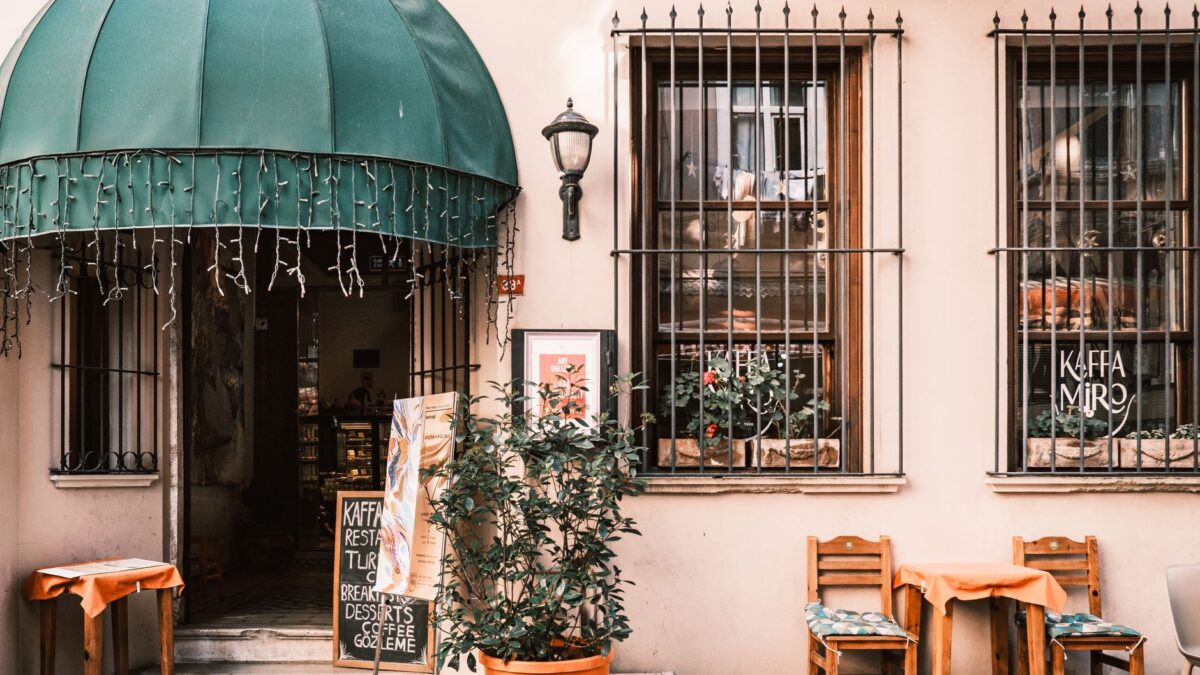
The rain has finally broken the long Cypriot summer heat, leaving Nicosia in that sweet spot of early November where the air is crisp and the first mandarins are turning orange on the trees. As you step off the bus from Larnaca International—roughly a forty-five-minute drive through the flat plains—you’ll notice the city’s rhythm shifts. It is no longer the frantic pace of peak tourist season; it is the working capital of the island, alive with students at the University of Cyprus, diplomats in Engomi, and locals enjoying the last warm afternoons before winter sets in. But to truly connect here, beyond the archaeological wonders or the Byzantine icons, you need to understand the unspoken rules of daily life. This is not just about language; it is about the warmth, the patience, and the specific customs that make a visitor feel like a guest rather than a tourist.
Greetings and the Art of Slowness
In Cyprus, time is measured in conversation, not minutes. When you enter a shop, a café, or even a small office, do not rush to your transaction. A simple Kalimera (Good morning) or Kali sera (Good evening) is mandatory. Ignoring the person behind the counter is considered rude, regardless of how busy they are. The greeting is not a formality; it is an acknowledgment of shared humanity.
If you are lucky enough to be invited into a home, expect to remove your shoes before crossing the threshold. This is non-negotiable in many households, particularly among older generations. You will often be offered coffee immediately—not just as a drink, but as a ritual. If you accept, sit down. Do not hover. The host will likely serve you a small cup of strong Greek-style coffee or a tea, accompanied by a sweet treat. To refuse outright can be seen as rejecting hospitality. Instead, take a sip, compliment the effort, and let the conversation flow. In districts like Laiki Geitonia, where the streets are pedestrian-only and coppersmiths still hammer away in restored townhouses, this slowness is the heartbeat of the community.
Dining: The Ritual of Meze and the Bill
Cypriot dining is communal. Even if you are eating alone, you might find yourself sharing a table or being offered a taste of someone else’s dish. The traditional way to eat is meze—a spread of small plates designed for sharing. Think of dips like tzatziki, grilled halloumi, stuffed vine leaves, and slow-cooked lamb. It is a social event, not just a meal. Do not order strictly individual portions unless necessary; embrace the chaos of passing plates around the table.
When it comes to tipping, the custom is relaxed but appreciated. In a mid-range restaurant, where a three-course meal for two might cost around €60, leaving 5-10% is standard if service isn’t included. In a taverna, where a simple lunch might run you about €15, rounding up the bill or leaving a few coins is perfectly acceptable. Cash is king here. While cards are widely accepted in newer establishments, especially in the business hubs of Strovolos or Engomi, many traditional spots prefer cash. Keep some euros on hand for these moments.
One specific etiquette point: never leave food on your plate if you are eating meze. It can imply the host did not provide enough, which is a grave insult. If you are full, say so politely, but try to take at least a bite of everything served. Also, remember that bread is often used to scoop up sauces; do not hesitate to use it, but always tear, never cut, with a knife.
Dress Code: Respect and Practicality
Nicosia is a city of contrasts. In the modern business districts, smart casual is the norm. However, when visiting religious sites, dress modestly. Shoulders and knees should be covered. This applies to the Byzantine Museum and Art Gallery, located on the Archbishop Makarios III Foundation grounds, as well as any active churches you might visit in the countryside. For women, carrying a light scarf is wise; for men, avoiding sleeveless shirts in sacred spaces is a sign of respect.
For everyday wear, comfort is key. With temperatures hovering between 16°C and 26°C in November, layers are essential. Mornings and evenings can be chilly, especially near the Pedieos River park. You will see locals dressed practically but neatly. Avoid overly revealing clothing in conservative neighborhoods or rural villages. The Old Town walls are steeped in history, and dressing respectfully honors that legacy. If you plan to cross the Green Line to see the Büyük Han caravanserai in North Nicosia, ensure your passport is visible and your attire is neat; checkpoints are serious places, and looking disheveled may draw unnecessary attention.
The Green Line and Crossing Customs
You cannot talk about Cyprus without mentioning the Green Line. It runs right through the center of Nicosia, dividing the Greek Cypriot south from the Turkish Cypriot north. Crossing at Ledra Street is a unique experience. You must carry your passport or a certified copy at all times. Both sides have checkpoints, and while tensions are low, the atmosphere is formal. Do not joke about politics at the border. Be patient. Queues can form, and security checks are thorough. Once across, you are in a different legal jurisdiction, though culturally similar. The Selimiye Mosque, formerly St. Sophia Cathedral, stands as a testament to this layered history. Treat both sides with equal respect, and avoid making political statements. Locals appreciate visitors who acknowledge the complexity without taking sides.
Small Customs That Matter
There are subtle gestures that signal you are paying attention. When shaking hands, hold the grip a second longer than in Northern Europe; it conveys sincerity. If you are driving, be aware that traffic in areas like Engomi or near the Ammochostou Avenue junction can be chaotic. Horns are used more frequently than in other countries, often as a warning rather than anger. Stay calm and defensive.
Another key point: hospitality extends to giving gifts. If you stay with friends, bringing a small gift from your home country is appreciated but not expected. Chocolates, wine, or local sweets work well. Never bring alcohol as a gift to a Muslim household, even in mixed communities. Finally, when leaving a gathering, do not rush out. Say your goodbyes properly, often with multiple rounds of “see you later” and promises to reconnect. In Cyprus, “see you later” is often genuine, not polite fiction.
As the sun sets and the café terraces light up, remember that you are entering a space where people live their lives openly. Listen more than you speak, smile often, and respect the rhythms of the island. That is the true essence of Cypriot etiquette.
Frequently asked questions
Do I need to tip in restaurants in Nicosia?
Tipping is not mandatory but appreciated. Leaving 5-10% in mid-range restaurants or rounding up the bill in tavernas is standard practice.
What should I wear when visiting churches in Cyprus?
Modest dress is required. Cover your shoulders and knees. Women should carry a scarf to cover their heads if entering active sanctuaries.
Can I cross the Green Line at Ledra Street without a passport?
No. You must carry your valid passport or a certified copy to cross the checkpoint between South and North Nicosia.
Is it rude to refuse coffee when offered in a Cypriot home?
It can be seen as rejecting hospitality. It is better to accept a cup, sip politely, and engage in conversation, even if you only drink a little.
How should I address elders or strangers in Cyprus?
Always greet with 'Kalimera' (morning) or 'Kali sera' (evening). Use polite titles like 'Kyrie' (Mr.) or 'Kyría' (Mrs.) until invited to use first names.
Things to do in Cyprus
 Local Guided Dives (for certified/licensed divers)
 Zenobia wreck dives - CERTIFIED DIVERS ONLY!
 Likely to sell out
Cyprus: Mt. Olympus, Troodos Mountains, Monasteries from Paphos
 Scuba Diving Experience (10+ Years) AND Free Edited Video
 Discover Scuba Diving
 Private Jeep Safari Bath of Aphrodite including Adonis Waterfalls