

Greece etiquette: the dos and don’ts
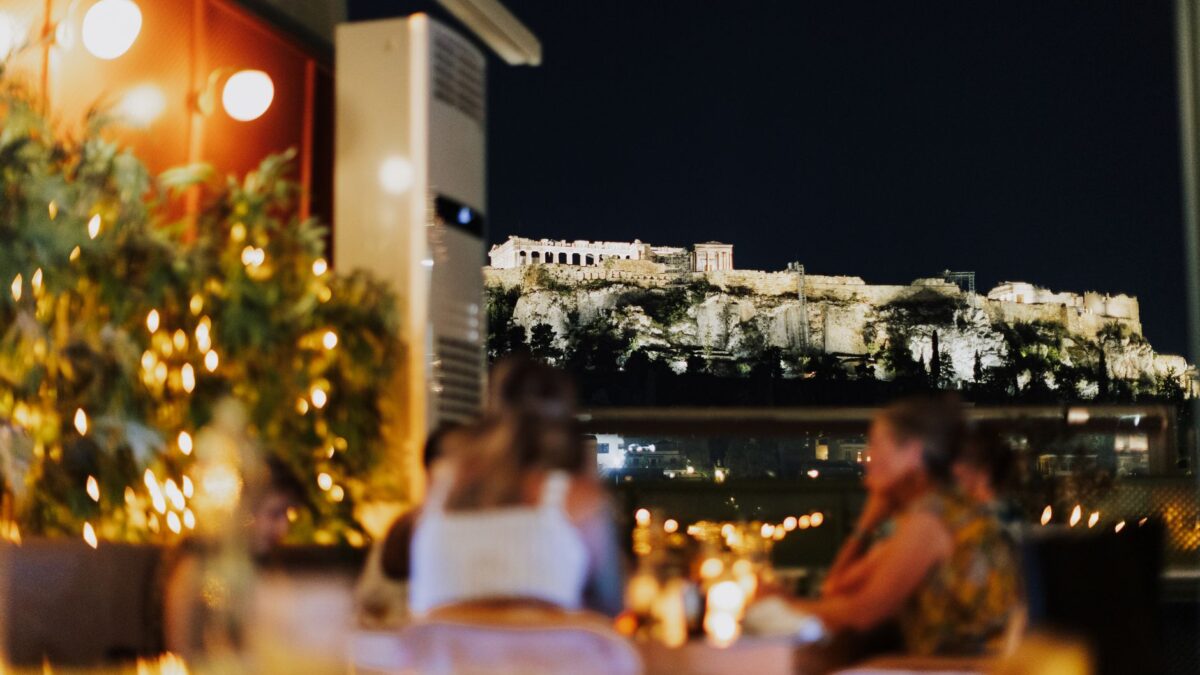
The air in Athens this early November carries that specific, hinge-in-the-season chill. It is mild enough to walk without a jacket in the afternoon sun, but by dusk, the damp settles into the stone of the Plaka, and the street carts begin roasting chestnuts while tavernas serve the new autumn wine. If you are visiting now, or any time, Greece offers more than just ruins and sea views; it offers a rhythm of life that demands respect. To be a considerate visitor here is to understand that hospitality is not a service industry transaction—it is a social contract. Here is how to navigate the dos and donuts of Greek etiquette with the grace of a local.
The Art of Greeting: Time is Relative, Politeness is Not
In Greece, time is fluid, but politeness is rigid. The most important word in your vocabulary will be parakalo, which roughly translates to “please” or “excuse me,” depending on context. Use it constantly. Whether you are ordering a coffee at Little Tree Books in Koukaki or asking for directions in Monastiraki, parakalo signals that you see the other person as an equal, not a servant.
Greetings matter deeply. Do not rush straight to business or transactions. When you enter a small shop, bakery, or cafe, make eye contact and say Kalimera (good morning), Kali mera (good day), or Kalinychta (good evening). This applies even if the staff is busy. Ignoring the greeting is considered rude. In larger hotels or upscale restaurants in Kolonaki, a firm handshake is standard, but among peers, a kiss on each cheek (starting with the left) is common once familiarity is established. However, as a tourist, stick to the verbal greeting and the smile; the physical intimacy can be reserved for later interactions.
Dining Like a Local: From Souvlaki to Fine Wine
Greek food culture is about sharing, lingering, and respecting the ingredients. If you grab a quick bite—a souvlaki wrapped in pita (tylichto) from a street vendor—you will pay around €4.00–€5.20 in central areas. Eat it standing up or walking away; do not linger on the pavement blocking the flow of pedestrians. It is fast fuel, not a dining experience.
For a sit-down meal at a mid-range restaurant, expect to spend around €30 per person. When dining, remember that food is communal. Order several mezedes (small plates) to share. Never eat the first bite before everyone at the table has been served. Tipping is appreciated but not aggressive. Rounding up the bill or leaving 5-10% is standard for good service. Leaving large tips can sometimes be seen as pitying the waiter; Greeks are proud professionals. A simple “thank you” (Euxaristo) along with the tip goes further than cash alone.
When drinking, especially ouzo or tsipouro, wait for the toast. The traditional toast is stin ygeia mas (to our health). You must finish your drink or leave only a few drops; leaving half is considered wasteful and impolite. If you are at a bar like those in Gazi during the Athens Bar Show, observe the bartender’s craft. Hospitality is a point of pride, so engage politely, but avoid demanding alterations to traditional recipes unless asked.
Dress Code and Public Conduct
Greeks dress well, even for mundane tasks. While beachwear is acceptable on the islands and beaches, wearing swim trunks or flip-flops into the city center, museums, or churches is frowned upon. In districts like Anafiotika, where the whitewashed Cycladic architecture meets neoclassical Athens, locals take pride in their appearance. Dressing neatly shows respect for the space and its inhabitants.
Modesty is required when visiting religious sites. Shoulders and knees must be covered. This is non-negotiable at the Acropolis Museum or any active church. Furthermore, noise levels matter. Athens is a living city, not a museum. Late-night noise in residential areas like Kypseli or Exarcheia is common, but as a visitor, keep your volume down after 23:00 in residential neighborhoods. The vibrant nightlife of Psyrri is lively, but respect the boundaries between the entertainment zone and the homes nearby.
Also, be mindful of public displays of affection. While holding hands is fine, excessive PDA can be viewed as disrespectful in conservative or older settings. Keep interactions modest and respectful, particularly when interacting with elders.
Navigating Spaces and Small Customs
Athens is a maze of narrow streets, especially in the historic centers. Do not block doorways, shop entrances, or metro stations with your group. When using public transport, run by OASA, offer your seat to elderly people, pregnant women, or those with disabilities. The metro system is modern and efficient, but pickpockets operate in crowded areas like Monastiraki and Omonia. Keep your bag closed and front-facing. Safety is generally high, but vigilance prevents unwanted attention.
When bargaining, know the difference. In supermarkets, department stores, or fixed-price restaurants, bargaining is never done. In flea markets, like the Sunday market in Monastiraki, polite haggling is expected and part of the fun. Start at 60% of the asking price and negotiate with a smile. If the seller refuses, let it go gracefully. Aggressive haggling is offensive.
Another subtle custom: when paying by card, it is still common to receive change in coins. Count your change quickly and politely. Do not complain about small bills or coins; they are essential for vending machines, toilets, and small purchases. Also, note that many smaller establishments may have a minimum spend for card payments due to transaction fees. Ask discreetly before ordering if you plan to pay by card.
Respecting History and Modern Reality
Greece’s history is layered and painful for some, celebrated for others. Avoid treating ancient ruins as mere photo backdrops. The Acropolis is a sacred site of heritage. Do not climb on restricted structures or litter. Speak softly within archaeological sites. Additionally, be aware of contemporary political sensitivities. Athens has a strong tradition of student activism, centered around Exarcheia and the Polytechnic University. While protests are rare outside of specific dates like November 17th (commemorating the 1973 uprising), if you encounter one, do not photograph protesters aggressively or join in. Observe from a distance and move on.
Finally, embrace the concept of philoxenia—friendliness to strangers. If you ask for help, Greeks will often go out of their way to assist you, sometimes beyond what is necessary. Accept this kindness with gratitude, but do not exploit it. Offer help in return if possible, whether it’s holding a door, speaking English patiently, or simply sharing a moment of connection. This reciprocal warmth is the heart of Greek society.
Frequently asked questions
How much should I tip in Greek restaurants?
Rounding up the bill or leaving 5-10% is standard for good service. Large tips are not expected and can sometimes be seen as unnecessary; a polite 'Euxaristo' alongside the tip is preferred.
Is it rude to not greet shop staff in Greece?
Yes. Always say 'Kalimera' (good morning) or 'Kali mera' (good day) when entering a shop or cafe. Ignoring the greeting is considered very impolite in Greek culture.
Can I bargain at restaurants in Athens?
No. Bargaining is only appropriate in flea markets, such as the Sunday market in Monastiraki. Fixed-price establishments, including tavernas and cafes, do not accept negotiation.
What is the dress code for visiting the Acropolis?
While there is no strict uniform, modest attire is respectful. Avoid beachwear, flip-flops, or overly revealing clothing. Shoulders and knees should ideally be covered, especially if combining the visit with a church tour.
How do I address locals respectfully?
Use 'Parakalo' (please/excuse me) frequently. Address adults with 'Kyrie' (Mr.) or 'Kyreia' (Mrs./Ms.) followed by their surname until invited to use first names. A warm smile goes a long way.
Things to do in Greece
 Likely to sell out
Milos oneiro-kleftiko sailing experience with local guide
 Best Of Santorini Private Tailor Made Tour
 Sailing trip to the Top Coasts of Crete, Daily/Multi-day
 Santorini Private Full-Day Tour – Customizable Island Experience
 Likely to sell out
The Greek Food Experience (Max 8 persons)
 Athens Greek Cooking Class: Pita Gyros from Scratch –The Original