

A week in Warsaw on a mid-range budget
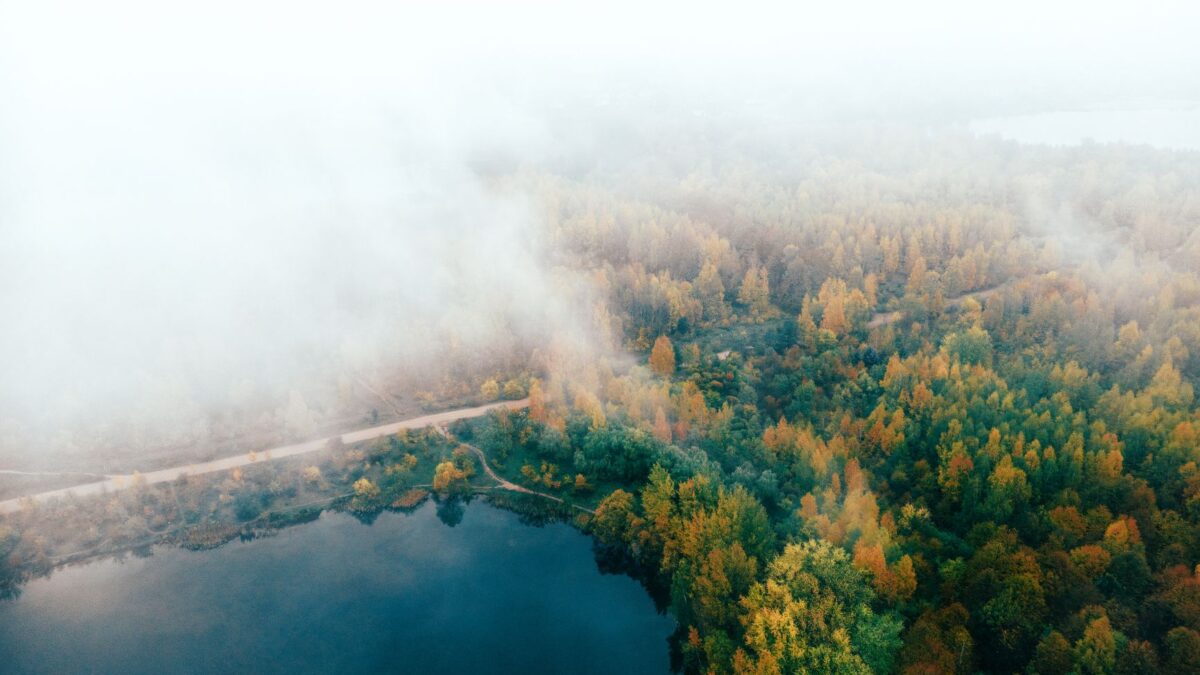
It is late October in Warsaw, and the light is already failing by 4:30 pm. The air carries that specific damp chill off the Vistula river, a grey fog settling over wet leaves while scaffolding goes up on Plac Defilad for the upcoming Christmas market. If you are arriving now, you are stepping into a city that feels raw, honest, and wonderfully affordable compared to its Western European neighbours. You might be here for business in the Wola skyscrapers, or perhaps just to survive the long winter with a few good meals and some culture. Either way, a week in Warsaw on a mid-range budget is not just possible; it is an exercise in finding warmth in the cold.
The Base Camp: Where to Park Your Things
Your first decision is where to sleep. Warsaw’s rental market tells us that Śródmieście (the central district) commands the highest prices, with modest one-bedroom flats hovering around 4,600 zł ($1,160) monthly. But for a short stay, this is exactly where you want to be. It is the heart of the UNESCO-listed Old Town and offers the best transit links. However, if you want to save cash without sacrificing character, look at Praga-Północ or Żoliborz.
I often recommend staying near SleepWell Ordynacka or Hotel Reytan. These places put you within walking distance of the Royal Castle but away from the tourist-trap pricing of the main squares. For a slightly more upscale feel, Barceló Warsaw Powiśle sits right on the river embankment, giving you views of the Palace of Culture and Science without the premium price tag of a five-star hotel. Expect to pay roughly 350–500 zł ($90–$125) per night for a solid mid-range room. This leaves you plenty of budget for experiences rather than just shelter.
Eating Like a Local (Without Breaking the Bank)
Polish cuisine is hearty, and Warsaw’s food scene is booming. The trick to saving money is knowing the difference between a “restaurant” and a “bar mleczny” (milk bar). A meal at an inexpensive local restaurant will set you back about 45 zł ($11), which is standard for a main course and a drink. A mid-range dinner for two, complete with three courses and no wine, runs around 240 zł ($60).
But here is the secret: hit a milk bar. These Soviet-era canteens serve home-cooked staples like borscht, kotlet schabowy (breaded pork cutlet), and pierogi for 10–30 zł ($5) per dish. You can eat like royalty on a student budget. For a traditional experience outside the milk bars, try Zapiecek for their famous pierogi—expect to pay 25–45 zł ($9) for a plate—or grab a beer and a snack at Podwale 25 Kompania Piwna for a relaxed evening. If you need caffeine, Ministry of Coffee or Buno Specialty Coffee will cost you about 15–20 zł ($4–$5) for a flat white, which is reasonable for specialty quality.
In November, the menus shift. Look for gęsina (goose) and late wild mushrooms. It is the tail end of the cemetery-candle season, so the atmosphere in restaurants is cozy, with heavy curtains drawn against the drafty windows. You won’t find cheap fine dining here—tasting menus run roughly half the price of Vienna or Copenhagen, but they still start around 200–300 zł ($50–$75) per person. Stick to the daily specials if you want to stretch your zlotys.
Moving Around: Transit and Navigation
Warsaw is vast, and trying to walk everywhere will leave you chilled and tired. Public transport is run by ZTM under the Warszawski Transport Publiczny (WTP) brand. It is efficient, clean, and cheap. A single 75-minute ticket costs 4.40 zł ($1.1), which covers buses, trams, and metro rides. If you plan to move around daily, buy the 30-day monthly transit pass for 110 zł ($28). It pays for itself after four trips.
Be aware of current disruptions. Tram lines 4 and 10 are currently cut back to the Metro Wilanowska loop due to track rebuilding on ul. Puławska until the end of November. If you are heading to Wilanów Palace, check the bus schedules carefully. The metro lines M1 and M2 cover most of the city well. M1 runs through Żoliborz and Mokotów, while M2 serves Wola and Śródmieście. Validate every ride, or face a fine. The system is integrated, so your ticket works on Koleje Mazowieckie trains if you venture out to Kampinos National Park.
Culture on a Budget: Free and Cheap Gems
This is the best part of November in Warsaw. There is a campaign called “Darmowy listopad” (Free November), which gives free entry to set exhibitions and interiors at the Royal Castle, Łazienki Królewskie, and Wilanów Palace. You must book these slots in advance via their websites, but it is worth the effort.
The Royal Castle on Castle Square is stunning, filled with Rembrandt paintings and Bellotto canvases. Łazienki Królewskie is a massive park where red squirrels roam freely and peacocks strut along the paths. Even in the grey weather, the Palace on the Isle looks majestic against the dark water. Wilanów Palace, known as the Polish Versailles, is quieter and equally impressive.
If history is your focus, the Warsaw Uprising Museum is visceral and powerful, featuring a replica sewer and overhead bomber sounds. Admission is free on Thursdays. Similarly, the POLIN Museum of the History of Polish Jews offers a profound multimedia journey through 1,000 years of Jewish life in Poland, also free on Thursdays. For something lighter, ride the elevator to the 30th-floor terrace of the Palace of Culture and Science for a 360-degree view. It costs about 20–30 zł ($5–$7.5) depending on the time of day, but seeing the city sprawl out beneath the fog is unforgettable.
For art lovers, keep an eye on the calendar. The third edition of the “Laks ocalały” chamber-music festival features free evening concerts at ul. Radosna 11 in Wilanów from 14–22 November. Later in the month, the Eufonie festival opens with works by Penderecki and Lutosławski. And starting 20 November, the Jarmark Warszawski Christmas market returns to Plac Defilad with over 200 stalls and a viewing-tower carousel. It is a great place to buy gifts and warm up with mulled wine.
Practicalities: Money, Safety, and Survival
Warsaw is generally very safe. The districts locals describe as feeling less safe after dark are Praga-Północ and Praga-Południe, though both are rapidly gentrifying. Central Śródmieście sees periodic protests, which are usually peaceful but can cause road closures. Carry a small amount of cash for milk bars, but card payments are ubiquitous. Note that many transactions use BLIK, a local mobile payment code system. If you don’t have it, ask for card payment.
Weather-wise, expect 4–10°C. Dress in layers. The dampness gets into your bones. Bring a waterproof jacket and good shoes. If you are staying longer than 90 days, note that Poland is in the Schengen Area, allowing visa-free travel for most EU/UK/US visitors. For longer stays, you will need to register your address (meldunek) at your local Urząd Dzielnika office, which triggers a PESEL number needed for banking and healthcare.
A week in Warsaw doesn’t have to be expensive. With smart choices on accommodation, a love for milk bar stews, and a strategy to exploit free museum days, you can experience the soul of Poland without draining your wallet. It is a city of resilience and beauty, waiting for you to explore its cobblestones and neon signs alike.
Frequently asked questions
Is Warsaw expensive for tourists?
Warsaw is the priciest Polish city for rent but remains inexpensive for food and transport by Western European standards. A mid-range meal costs about 45 zł ($11), and a monthly transit pass is only 110 zł ($28).
What is 'Darmowy Listopad'?
"Darmowy listopad" (Free November) is a initiative offering free entry to set exhibitions and interiors at major sites like the Royal Castle, Łazienki Królewskie, and Wilanów Palace throughout the month.
How much does public transport cost in Warsaw?
A single 75-minute ticket is 4.40 zł ($1.1). A 30-day monthly pass for Zone 1 costs 110 zł ($28), which is highly recommended for weekly visitors.
Where should I stay to save money?
While Śródmieście is central, districts like Praga-Północ and Żoliborz offer more affordable accommodations with great character and good transit links to the center.
Are there free museums in Warsaw?
Yes. The Warsaw Uprising Museum and POLIN Museum offer free admission on Thursdays. Many other state museums have free entry on specific days or during special campaigns like Free November.
Things to do in Poland
 Likely to sell out
Private Bike Tour in Krakow
 Krakow: Guided Sightseeing Tour by golf cart/buggy
 Warsaw City Sightseeing in a Retro Bus for Groups
 Majdanek Concentration Camp & Lublin Full Day Private Tour from Warsaw
 Guided Winter Kayak Tour in Gdańsk & Hot Chocolate Treat
 Schindler's List excursion incl. Płaszów with Dutch guide