

Getting around Rome: metros, taxis and passes
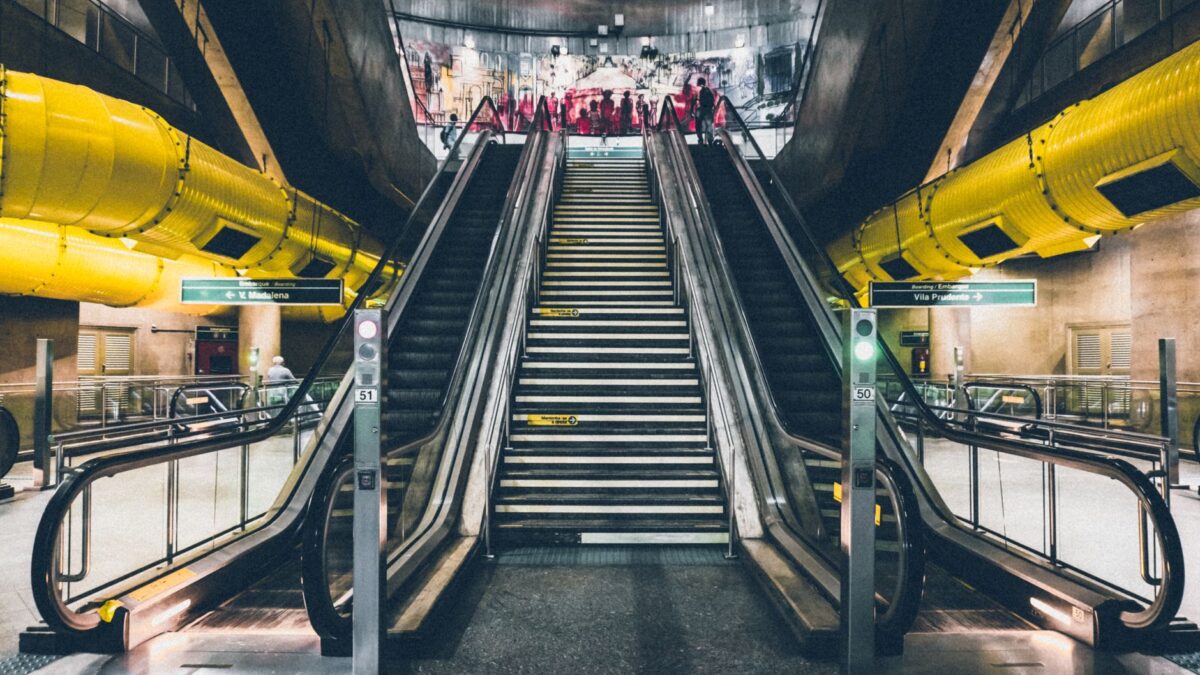
There is a specific kind of magic in moving through Rome when the light turns that heavy, golden-grey you see in November. The air is crisp, hovering around 9 to 19°C, and the damp chill pushes us all indoors by six. But before you can settle into a warm trattoria in Monti or find your way to the olive presses in the countryside, you need to navigate the city’s veins. As a local, I’ve learned that getting around Rome isn’t just about logistics; it’s about understanding the rhythm of the metro rumbling beneath the ancient streets and knowing exactly when to put on your walking shoes.
The Metro and Bus Network: Navigating the Daily Grind
The backbone of Roman public transport is operated by ATAC, covering metros A, B, B1, C, and an extensive network of buses and trams. For most visitors and residents alike, the key document is the biglietto integrato a tempo, or BIT. This single ticket costs about €1.50—a price that has remained stubbornly frozen since 2012—and grants you 100 minutes of unlimited travel across bus, metro, and tram lines. If you are staying longer, the monthly pass (Abbonamento mensile Metrebus Roma) runs roughly €35.00, making day-to-day transport incredibly cheap by Western European standards, especially compared to rents which have risen significantly in recent years.
A word of caution for your commute: Metro Line A is historically the pickpocket line. It connects Termini to the Vatican and the Spanish Steps, carrying heavy tourist traffic. Keep your bag zipped and front-facing. Similarly, the famous 64 bus from Termini to the Vatican is notorious for snatching incidents. The Prefettura reinforces policing in these “red zones,” but vigilance remains your best defense.
If you plan to cover a lot of ground in a single day, the Roma 24H ticket offers unlimited travel for €8.50. Note that prices were adjusted upward on July 1, 2025, so check current rates if you are traveling later in the year. For those who prefer modern convenience, contactless bank cards can now be tapped directly at the gates, bypassing the ticket machines entirely.
Taxis and Ride-Hailing: When You Need a Door-to-Door Solution
Sometimes the metro simply cannot take you where you need to go. Rome’s taxi system is regulated, but it can be chaotic. The fixed fare from Fiumicino Airport to anywhere inside the Aurelian Walls (the historic center) is €55. If you are heading to the suburbs, such as the EUR district near the lake, the meter will apply. Always ensure the driver turns on the meter unless you are using one of these fixed routes.
Ride-hailing apps like Uber exist but are limited; they mostly connect with licensed black cars (ncc), which are more expensive than standard taxis. For a more authentic experience, hail a taxi from a designated rank or use a reputable app like Free Now. However, if you are staying in districts like Prati or San Lorenzo, you might find that walking or taking a short bus ride is far less stressful than trying to navigate the narrow, one-way streets during rush hour.
The Best Way to Move: Walking Through the Districts
Ultimately, Rome rewards the pedestrian. The city’s layout, layered over two millennia, is best experienced at a stroll. Start in Monti, adjacent to the Colosseum. Here, you can wander Via dei Serpenti and Via del Boschetto, discovering affordable pasta bars and vintage shops like Pifebo. The medieval street grid feels intimate and alive, especially on weekends when the Mercato Monti opens up.
Cross the Tiber to Trastevere. In early November, the ivy-clad lanes are chilly but beautiful. Spend your evening on Viale Trastevere, where the nightlife is loud and vibrant, or climb the Gianicolo hill for sunset views that stretch across the entire city. Just remember that much of the tram network is currently replaced by substitute buses until late November due to maintenance, so check real-time updates if you plan to rely on tram lines.
For food lovers, Testaccio is essential. Once the site of Rome’s slaughterhouses, it is now the culinary heart of the city. Visit the Mercato di Testaccio before 10 am to try supplì, porchetta, and trapizzino. Nearby, Monte Testaccio rises as a man-made hill composed of broken ancient amphorae—a stark reminder of Rome’s imperial trade reach. From there, you can walk to the Appia Antica, where cycle paths let you escape the traffic and ride past the Catacombs under the open sky.
Practicalities: Tickets, Safety, and Seasonal Tips
When buying tickets, avoid unofficial vendors on the street. Use ATAC ticket machines, authorized tabaccherie (tobacco shops), or the official app. The Roma Pass bundles transport with museum entry and skip-the-line privileges for two sites, which can be valuable if you are visiting the Colosseum, Roman Forum, and Palatine Hill together. These slots are released about 30 days in advance and sell out quickly.
Safety is generally good, but petty crime is the main risk. Never leave valuables visible in parked cars, and be wary of distractions near Termini station, particularly on the Via Marsala and Via Giolitti sides at night. The tourist city tax applies to most stays: €6 per person per night for standard hotels, capped after 10 consecutive nights.
In November, daylight is short. Plan your museum visits—like the Galleria Borghese, which requires strict online booking for its Bernini and Caravaggio collections—for the morning. Afternoon walks are best reserved for outdoor markets or parks like Villa Doria Pamphilj. If you are interested in local culture, keep an eye out for events like the MedFilm Festival or the chocolate fairs in EUR, which add a festive layer to the colder evenings.
Rome is not a city to be rushed. It is a city to be lived. Whether you are tapping your bank card at a metro gate or losing yourself in the labyrinthine streets of San Lorenzo, remember that every step reveals another layer of history. Embrace the pace, watch your belongings, and let the city guide you.
Frequently asked questions
How much does a single metro or bus ticket cost in Rome?
A standard integrated ticket (BIT) costs approximately €1.50 and allows 100 minutes of travel across all ATAC public transport modes.
Is it safe to take the metro in Rome?
Rome's metro is broadly safe, but Line A and the 64 bus are known hotspots for pickpocketing. Stay vigilant, keep bags zipped, and avoid displaying valuables.
What is the fixed taxi fare from Fiumicino Airport to central Rome?
The fixed fare for a licensed taxi from Fiumicino Airport to any destination within the Aurelian Walls (historic center) is €55.
Are trams running normally in November?
Much of the tram network is currently replaced by substitute buses due to summer shutdowns, with full service expected to resume around late November.
Can I pay for metro tickets with my credit card?
Yes, contactless bank cards can be tapped directly at the gates for entry, though you must still validate them if transferring to buses or trams within the 100-minute window.
Things to do in Italy
 Visit in Pompeii - Pompeii Private Tour with Ada
 Lake Como Private Boat Tour from Bellagio with a Local
 Private Tour explore Vulcano Island by Kayak & Coasteering
 Sassi di Matera guided tour with Giulio
 Pizza and Gelato Making Experience with Fine Italian Wine in Rome
 Discover the Magic of the Amalfi and Sorrento Coast by Vespa