
Italy Travel Podcast with Sofia Romano
Hosted by Sofia Romano — a new episode every day from Italy.
Italy Travel Podcast with Sofia Romano is a show about getting to know Italy slowly, the way a resident would. Travelling here means moving between climates and landscapes: from the alpine north to the dry south, from the crowded urban centres of Rome, Milan and Naples to the mountainous interior. Each episode treats Italy as a real country, not a collection of postcard views.
The show ranges from the terraced hills of the Ligurian coast to the industrial history of Turin, from Palermo’s markets to the German-speaking villages of Trentino-Alto Adige. It also pays attention to the Po River Valley, where much of Italy’s population actually lives. These are places where history, language and landscape shape everyday travel.
The podcast follows a single, repeating host as she settles in one area, learns its rhythms, then moves to a connected place. Over the course of a year, the episodes return to the same towns in different seasons, watching how tourism, weather and local life shift. The result is a layered portrait of Italy that emerges through time, not a checklist.
Recent episodes
Things to do in Italy
 Likely to sell out
Authentic Puglia Cooking Class in a Local Family Home Near Lecce
Likely to sell out
Authentic Puglia Cooking Class in a Local Family Home Near Lecce
 Visit in Pompeii - Pompeii Private Tour with Ada
 Lake Como Private Boat Tour from Bellagio with a Local
 Private Tour explore Vulcano Island by Kayak & Coasteering
 Sassi di Matera guided tour with Giulio
 Special offer
The BEST Private Amalfi Coast Vespa Tour
Special offer
The BEST Private Amalfi Coast Vespa Tour
 Discover the Magic of the Amalfi and Sorrento Coast by Vespa
 The Florence Pottery Experience: Factory Tour & Masterclass
Plan your trip to Italy
Getting around
Staying connected
Italy at a glance
Italy in depth
Reference data on the country — geography, people, history, economy and transport.
Geography and climate
Location
Southern Europe, a peninsula extending into the central Mediterranean Sea, northeast of Tunisia
Terrain
Mostly rugged and mountainous; some plains, coastal lowlands
Climate
Predominantly Mediterranean; alpine in far north; hot, dry in south
Elevation
- Highest point
- Mont Blanc (Monte Bianco) de Courmayeur (a secondary peak of Mont Blanc) 4,748 m
- Lowest point
- Mediterranean Sea 0 m
- Mean elevation
- 538 m
Area
- Total
- 301,340 sq km
- Land
- 294,140 sq km
- Water
- 7,200 sq km
Size comparison
Almost twice the size of Georgia; slightly larger than Arizona
Coastline
7,600 km
Land borders
- Total
- 1,836.4 km
- Border countries
- Austria 404 km; France 476 km; Holy See (Vatican City) 3.4 km; San Marino 37 km; Slovenia 218 km; Switzerland 698 km
Natural resources
Coal, antimony, mercury, zinc, potash, marble, barite, asbestos, pumice, fluorspar, feldspar, pyrite (sulfur), natural gas and crude oil reserves, fish, arable land
Land use
- Agricultural land
- 44.3% (2023 est.)
- Arable land
- 24% (2023 est.)
- Permanent crops
- 8.1% (2023 est.)
- Permanent pasture
- 12.2% (2023 est.)
- Forest
- 31.8% (2023 est.)
- Other
- 24% (2023 est.)
Natural hazards
Regional risks include landslides, mudflows, avalanches, earthquakes, volcanic eruptions, flooding; land subsidence in Venice
Volcanism: significant volcanic activity; Etna (3,330 m) is Europe's most active volcano, and its flank eruptions pose a threat to nearby Sicilian villages; Etna, along with the famous Vesuvius, have both been deemed Decade Volcanoes by the International Association of Volcanology and Chemistry of the Earth's Interior, worthy of study due to their explosive history and close proximity to human populations; Stromboli, on its namesake island, has also been continuously active with moderate volcanic activity; other historically active volcanoes include Campi Flegrei, Ischia, Larderello, Pantelleria, Vulcano, and Vulsini
Note
Strategic location dominating central Mediterranean, as well as southern sea and air approaches to Western Europe
People and society
Population
- Total
- 60,924,851 (2025 est.)
- Male
- 29,383,949
- Female
- 31,540,902
Nationality
- Noun
- Italian(s)
- Adjective
- Italian
Ethnic groups
Italian (includes small clusters of German-, French-, and Slovene-Italians in the north, Albanian-Italians, Croat-Italians, and Greek-Italians in the south)
Languages
- Languages
- Italian (official), German (parts of Trentino-Alto Adige region are predominantly German-speaking), French (small French-speaking minority in Valle d'Aosta region), Slovene (Slovene-speaking minority in the Trieste-Gorizia area), Croatian (in Molise)
- Major-language sample(s)
- L'Almanacco dei fatti del mondo, l'indispensabile fonte per le informazioni di base. (Italian)
Religions
Christian 80.8% (overwhelmingly Roman Catholic with very small groups of Jehovah's Witnesses and Protestants), Muslim 4.9%, unaffiliated 13.4%, other 0.9% (2020 est.)
Median age
- Total
- 48.8 years (2025 est.)
- Male
- 47.4 years
- Female
- 49.4 years
Life expectancy
- Total population
- 83 years (2024 est.)
- Male
- 80.7 years
- Female
- 85.5 years
Urbanisation
- Urban population
- 72% of total population (2023)
- Rate of urbanization
- 0.27% annual rate of change (2020-25 est.)
Where people live
A fairly even population distribution exists throughout most of the country, with coastal areas, the Po River Valley, and urban centers (particularly Milan, Rome, and Naples) attracting larger and denser populations
Largest cities
4.316 million ROME (capital), 3.155 million Milan, 2.179 million Naples, 1.802 million Turin, 913,000 Bergamo, 850,000 Palermo (2023)
Background and government
Background
Italy became a nation-state in 1861 when the regional states of the peninsula, along with Sardinia and Sicily, were united under King Victor EMMANUEL II. An era of parliamentary government came to a close in the early 1920s when Benito MUSSOLINI established a Fascist dictatorship. His alliance with Nazi Germany led to Italy's defeat in World War II. A democratic republic replaced the monarchy in 1946, and economic revival followed. Italy is a charter member of NATO, as well as the European Economic Community (EEC) and its successors, the EC and the EU. It has been at the forefront of European economic and political unification, joining the Economic and Monetary Union in 1999. Persistent problems include sluggish economic growth, high youth and female unemployment, organized crime, corruption, and economic disparities between southern Italy and the more prosperous north.
Government
Parliamentary republic
Capital
Rome
Time zone
UTC+1 (6 hours ahead of Washington, DC, during Standard Time)
Local name
Repubblica Italiana
Independence
17 March 1861
National day
Republic Day, 2 June (1946)
Economy and cost of living
Overview
High-income, core EU economy; strong services, manufacturing, and tourism sectors; modest growth supported by net exports, low inflation, and public investments via EU funds; tight labor market with aging workforce and shortages in specialized skills; high public debt levels
GDP per capita
- Real GDP per capita 2024
- $53,100 (2024 est.)
- Real GDP per capita 2023
- $52,700 (2023 est.)
- Real GDP per capita 2022
- $52,300 (2022 est.)
Inflation
- Inflation rate (consumer prices) 2024
- 1% (2024 est.)
- Inflation rate (consumer prices) 2023
- 5.6% (2023 est.)
- Inflation rate (consumer prices) 2022
- 8.2% (2022 est.)
Unemployment
- Unemployment rate 2024
- 6.8% (2024 est.)
- Unemployment rate 2023
- 7.7% (2023 est.)
- Unemployment rate 2022
- 8.1% (2022 est.)
Exchange rate
- Currency
- Euros (EUR) per US dollar -
- Exchange rates 2024
- 0.924 (2024 est.)
- Exchange rates 2023
- 0.925 (2023 est.)
- Exchange rates 2022
- 0.95 (2022 est.)
- Exchange rates 2021
- 0.845 (2021 est.)
- Exchange rates 2020
- 0.876 (2020 est.)
Main industries
Tourism, machinery, iron and steel, chemicals, food processing, textiles, motor vehicles, clothing, footwear, ceramics
Agriculture
Milk, wheat, grapes, tomatoes, maize, olives, apples, oranges, sugar beets, rice (2023)
Transport and connectivity
Airports
655 (2025)
Railways
Total 18,475 km (2020) 12,936 km electrified
Ports
- Total ports
- 123 (2024)
- Large
- 12
- Medium
- 11
- Small
- 71
- Very small
- 28
- Size unknown
- 1
- Ports with oil terminals
- 33
- Key ports
- Brindisi, Civitavecchia, Genova, Gioia Tauro, La Spezia, Livorno, Messina, Napoli, Porto di Lido-Venezia, Siracusa, Taranto, Trieste
Internet domain
.it
Internet users
Percent of population 87% (2023 est.)
Mobile subscriptions
- Total subscriptions
- 78.7 million (2024 est.)
- Subscriptions per 100 inhabitants
- 133 (2024 est.)
Environment
Environmental issues
Air pollution from industrial emissions; water pollution from industrial and agricultural effluents, as well as acid rain; inadequate industrial waste treatment and disposal facilities
Fresh water
191.3 billion cubic meters (2022 est.)
UNESCO Global Geoparks
- Total global geoparks and regional networks
- 12 (2025)
- Global geoparks and regional networks
- Adamello-Brenta; Alpi Apuane; Aspromonte; Beigua; Cilento, Vallo di Diano e Alburni; Madonie; Maiella; MurGEopark; Pollino; Rocca di Cerere; Sesia Val Grande; Tuscan Mining Park (2025)
Country reference figures are periodically revised. Check anything time-sensitive or safety-critical against an official source before you travel.
Italy travel guides
 News & Updates
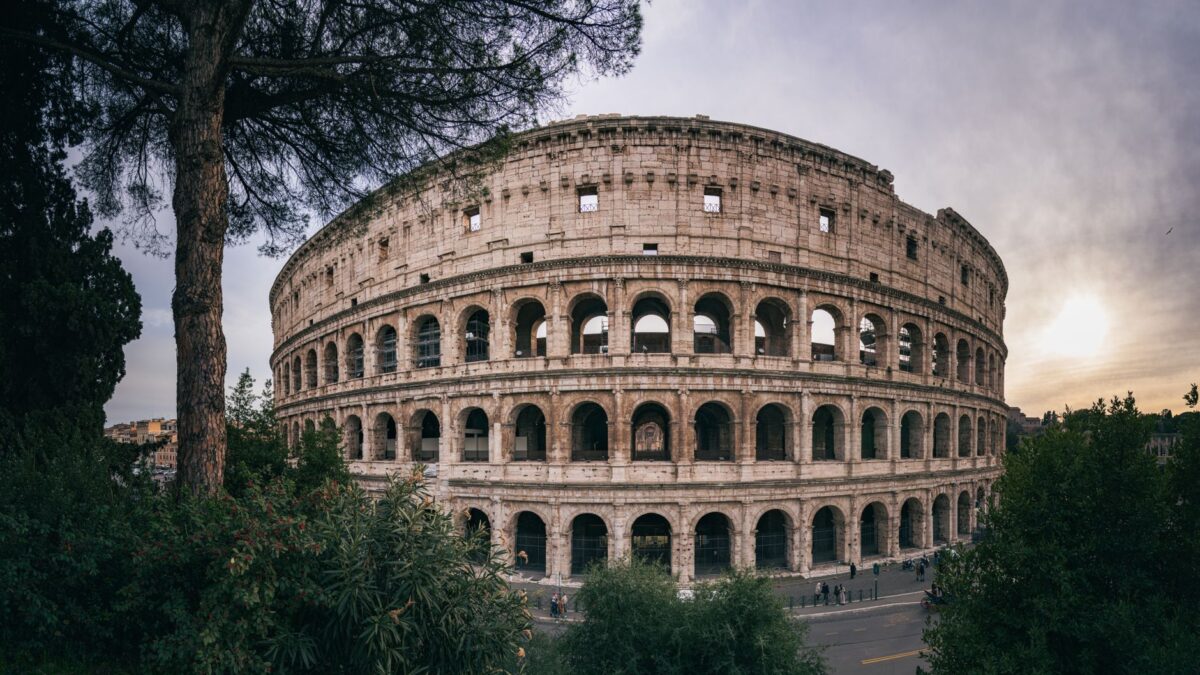
Italy in September 2026: what travelers should know now
Italy travel briefing September 2026: Weather, strikes, Romaeuropa Festival, and practical tips for Rome right now.
 Food & Drink
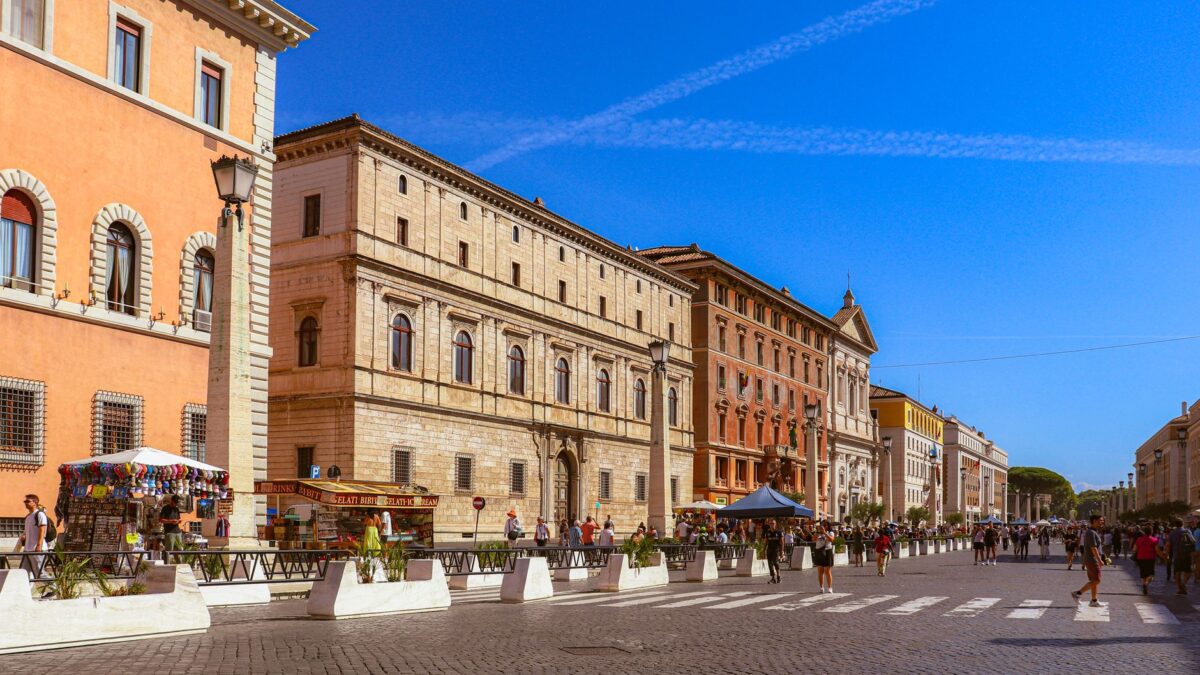
What to eat in Italy — and what it costs
Discover the real cost of eating in Rome, from €2 supplì to elegant dinners. Sofia Romano guides you through Trastevere, Testaccio, and beyond.
 Getting Around
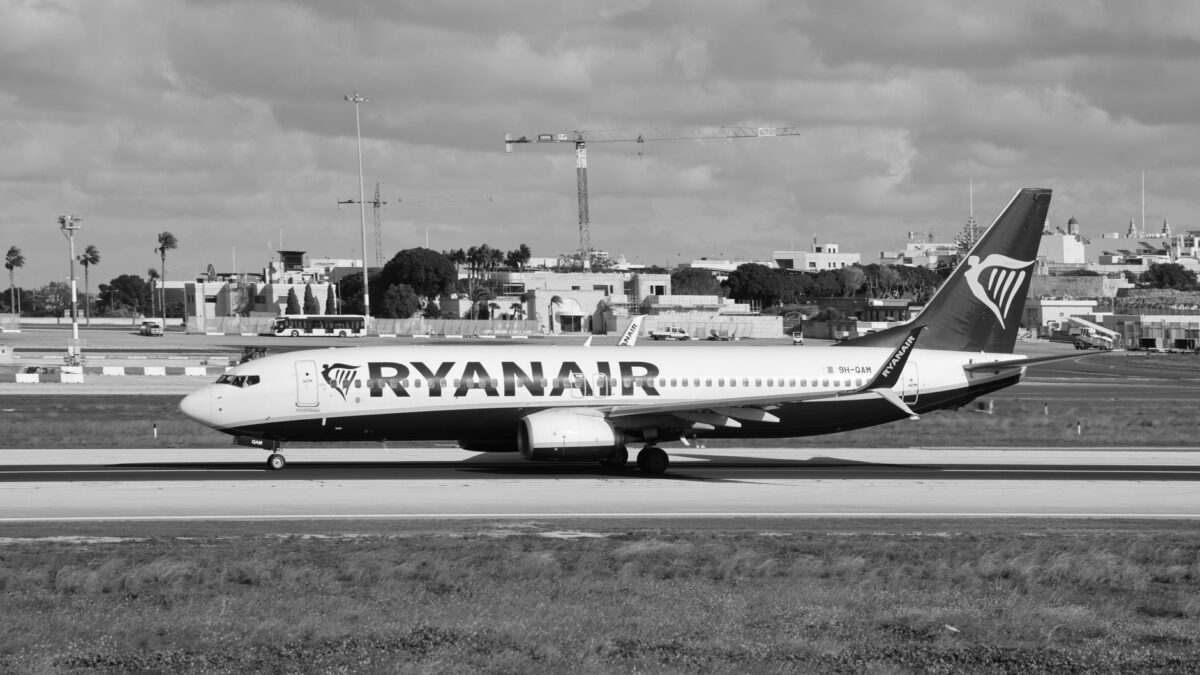
From the airport into Rome: every option and what it costs
How to get from Fiumicino Airport to Rome center: compare trains, buses, taxis, and private transfers with real 2026 fares, times, and tips.
 Travel Tips
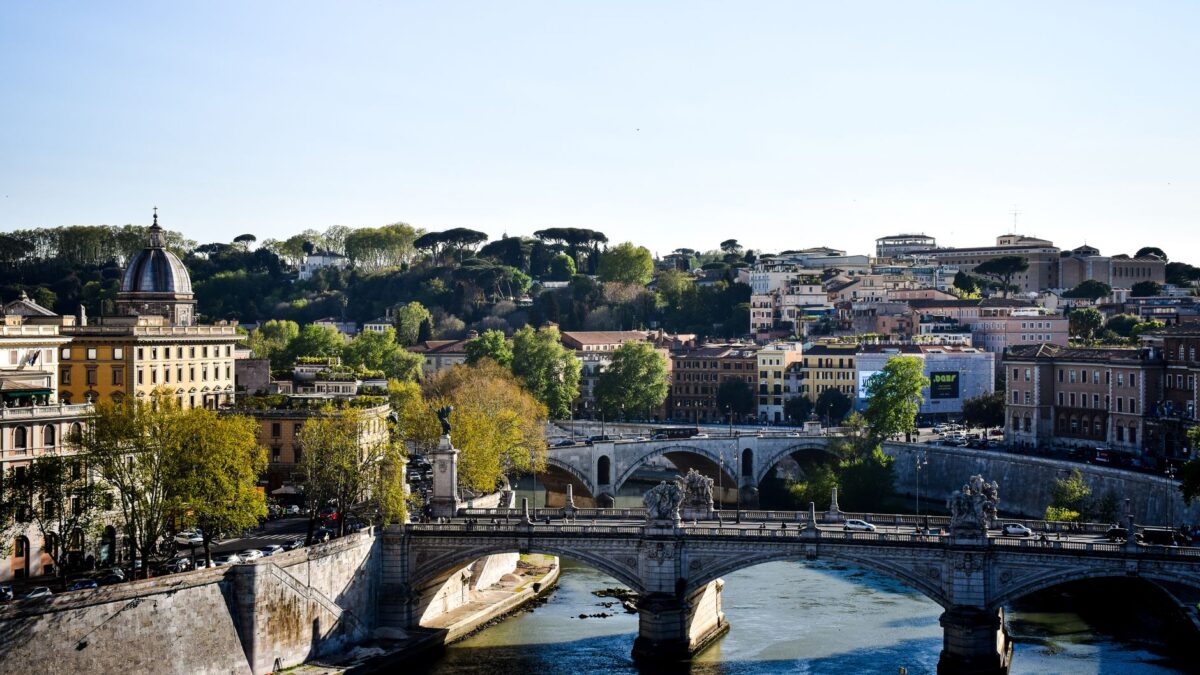
The best time to visit Italy
Discover the best time to visit Italy month-by-month: weather, crowds, prices, and festivals from Rome insider Sofia Romano. Find your perfect season.
Southern Europe
 Spain
SpainSpain Travel Podcast with Mateo Herrera
The Pyrenees run along the northern border; Madrid and Barcelona anchor Spain's largest urban settlements, and the interior summers are hot and…
 Greece
Greece Travel Podcast with Nikos Pappas
The Peloponnese is a mountainous peninsula with ranges that reach into the Aegean as island chains, while Athens holds one third of…
 Portugal
Portugal Travel Podcast with Inês Carvalho
The westward sweep of the Tagus River divides Portugal’s mountainous north from the rolling southern plains, shaping two distinct worlds in one…
 Croatia
Croatia Travel Podcast with Ivana Marić
The Adriatic coast's low mountains and highlands rise behind scattered islands, while most of the country's population lives in the northern half,…