

France etiquette: the dos and don’ts
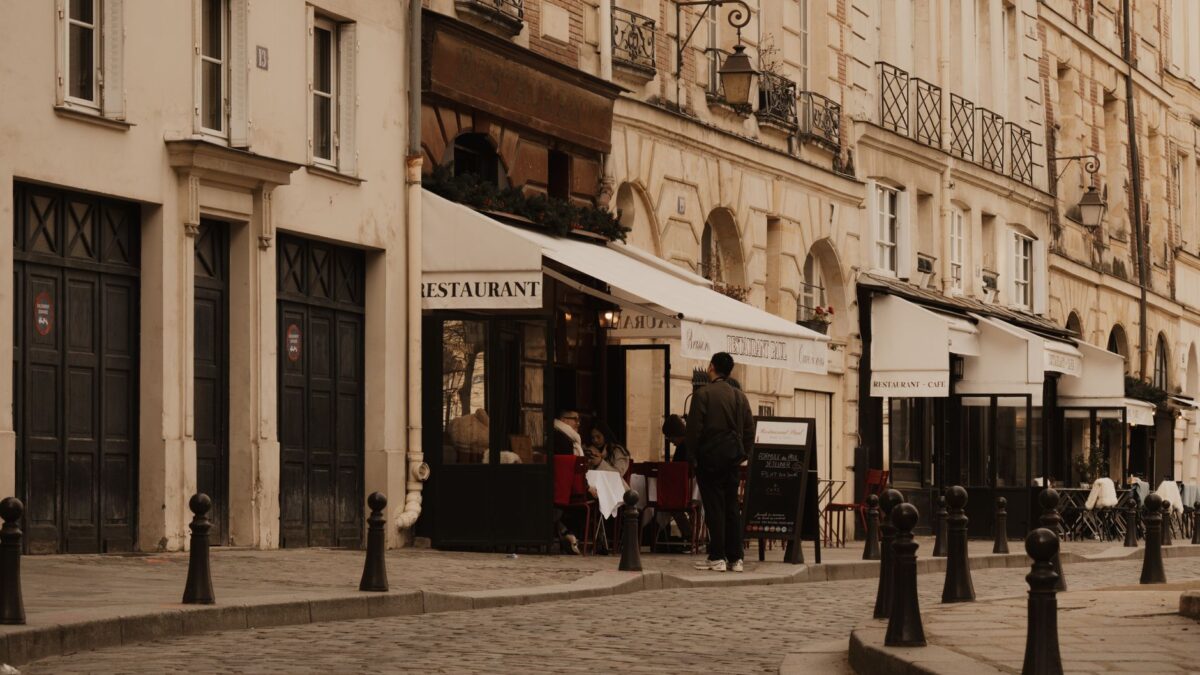
It is mid-November in Paris, and the light has that particular grey-blue quality that makes the Seine look like polished steel. The terraces are stacked with chairs, waiting for spring, while the air smells of wet leaves and roasting chestnuts from the stalls near the Marché des Enfants Rouges. This is not the postcard France; it is the real one. And if you are visiting now, navigating this drab, damp tail of autumn requires a different kind of respect than the sunny summer tourist does.
I am Camille Laurent, and I live here. I know that being a “considerate visitor” isn’t just about speaking French—it is about understanding the rhythm of daily life, even when that rhythm is disrupted by strikes or seasonal shifts. Here is how to move through our city with grace, avoiding the pitfalls that mark you as an outsider and embracing the small customs that locals appreciate.
The Greeting That Opens Every Door
In Paris, silence is not golden; it is rude. Before you ask for directions, order coffee, or even make eye contact with a shopkeeper, you must offer the boujour. It is the single most important social lubricant in France. If you skip it, you are often met with icy indifference, not because we are unfriendly, but because you have broken the first rule of engagement: acknowledging shared humanity.
When entering a boulangerie—whether you are grabbing a €2–4 croissant or a €5–7 ham-and-cheese baguette sandwich—look up, smile slightly, and say Bonjour Madame, Monsieur. When you leave, say Merci, au revoir. Do not rush this interaction. In places like Le Marais, where the falafel lines on Rue des Rosiers can be long, patience is key, but politeness is mandatory. Without the greeting, you are invisible. With it, you are a guest.
Dining: Pace, Payment, and Presence
Dining in Paris is a ritual, not a refueling stop. Whether you are sitting down for a steak frites at a bistro (roughly €15–22) or confit de canard (€18–25), do not expect speed. We take our time. Rushing your waiter is considered aggressive. If you need the check, raise your hand slightly or make eye contact; do not snap your fingers or shout. The check will come only when you are ready.
Tipping is nuanced. Service is included by law in the price, so you are not obligated to tip. However, for good service, leaving a few euros on the table is a kind gesture. For a three-course meal for two at a mid-range restaurant (around €70 total), rounding up or leaving €5–10 is generous and appreciated. But remember: tipping is never expected to the degree it is in the US. You are rewarding quality, not subsidizing wages.
Also, dress matters. Yes, Parisians wear black, but more importantly, we dress for the occasion. A smart-casual approach works for most bistros and cafés. Avoid wearing gym clothes into a restaurant, and do not treat a café terrace as a workspace without buying something every hour. If you are drinking espresso at Les Deux Magots in Saint-Germain-des-Prés, savor it. Stand at the bar if you want speed, but sit if you want to belong.
Navigating the City: Strikes, Safety, and Streets
You might be arriving during a period of disruption. Today, for instance, there is a national strike affecting transport. The Eiffel Tower is closed, and roughly 25 metro stations are shut. Line 6 is end-to-end closed until mid-December due to modernisation works on line 7bis, and weekend closures on lines 12 and 13 are common. Do not panic. These disruptions are part of civic life here. Check the Bonjour RATP app before you move. If the Metro is down, walk. Paris is best explored on foot, especially in the Latin Quarter or along the Canal Saint-Martin.
Safety is primarily about petty theft. Pickpockets thrive on tourist-heavy lines and at hubs like Châtelet–Les Halles. Keep your bag zipped and in front of you. Never leave your phone on a café table. This is not a warning of danger, but a reminder of awareness. Paris is generally safe, but it is a big city with distractions.
If you are staying longer, consider the Navigo pass. A monthly all-zone pass is around €90.80, making daily travel manageable despite rising fares. Single tickets are €2.50 for the Metro/RER and €2.00 for buses. Use it wisely, validate your ticket before boarding, and keep it handy for inspectors.
Respecting the Spaces We Share
Paris is a city of layers. From the Roman Arènes de Lutèce in the 5th arrondissement to the hilltop Sacré-Cœur in Montmartre, every stone has history. When visiting sites like the Louvre or Notre-Dame (now reopened after restoration), speak quietly. Photography is allowed in most public spaces, but flash is often prohibited indoors. Respect the barriers and the signs.
Be mindful of noise. In apartment buildings, which house much of the population, quiet hours are strictly observed, typically from 10 PM to 7 AM. Do not play music loudly in your Airbnb or hotel room. And please, do not litter. Our parks, like the Jardin du Luxembourg or the Bois de Boulogne, are cherished sanctuaries. Keep them clean.
Finally, embrace the local season. Early November is about oysters, chestnuts, and the anticipation of Beaujolais nouveau. Visit the Marché Bastille to see the produce. Walk along the Coulée Verte. Let the weather guide you—wear a waterproof coat, bring an umbrella, and find joy in the misty reflections on the Seine. This is the France that lives here, and it is beautiful in its realism.
Frequently asked questions
What is the essential greeting in France?
Always say 'Bonjour' (good day) or 'Bonsoir' (good evening) upon entering any shop or speaking to anyone. Skipping this is considered very rude.
Is tipping required in French restaurants?
No, service is included in the bill. However, leaving a small extra amount (rounding up or €5–10 for a nice meal) is appreciated for good service.
How much does a monthly public transport pass cost in Paris?
The Navigo Mois all-zone monthly pass costs approximately €90.80. Single Metro/RER tickets are around €2.50.
What should I do if there is a strike in Paris?
Check the Bonjour RATP app for real-time updates. Plan alternative routes using buses or walking, as strikes often affect Metro and RER services significantly.
Are there quiet hours in Paris apartments?
Yes, strict quiet hours typically apply between 10 PM and 7 AM. Keep noise levels low in residential buildings to respect neighbors.
Things to do in France
 Family Friendly Louvre Museum Private Guided Tour
 Private guided American D-Day Tour from Bayeux
 Louvre Evening Tour Semi Private 6ppl Max BEST Avoid The Crowds
 The Essential Louvre Masterpieces Tour - Limited to Six Guests
 Likely to sell out
Paris Highlights: Half Day Private Walking Tour
 Hot Air Balloon Flight over the castle of Chenonceau / France