

Kenya in November 2026: what travelers should know now
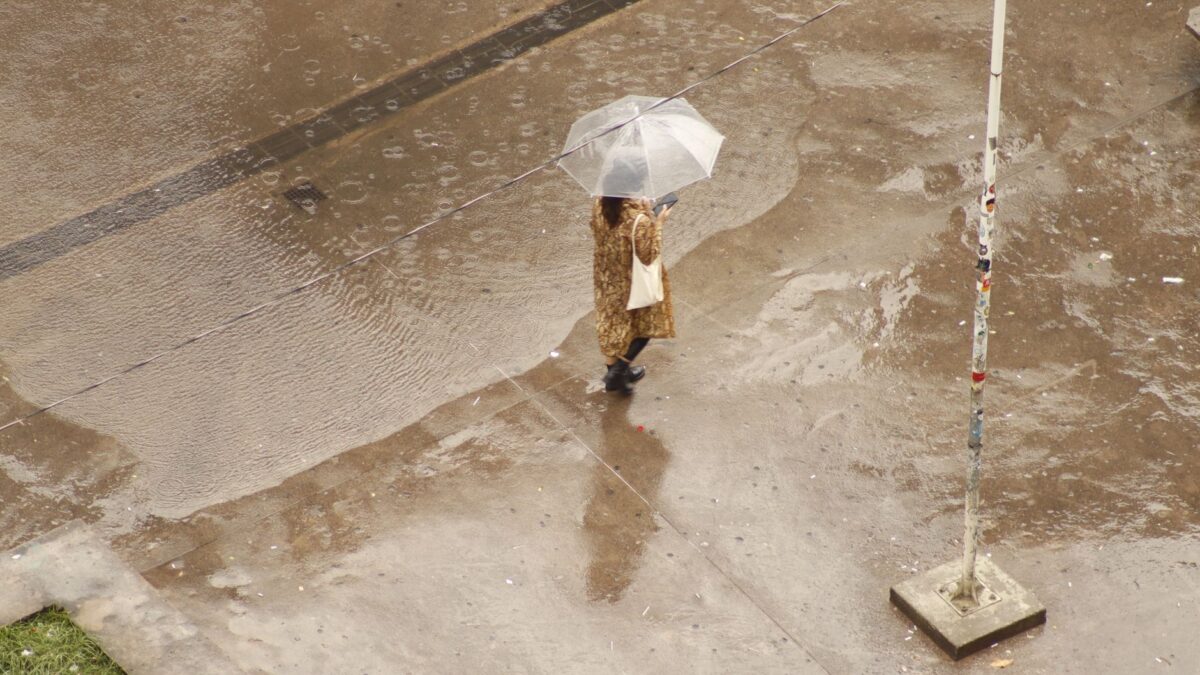
The short rains have finally settled over Nairobi, turning the red-earth roads of the estates into a slick, muddy challenge and painting the city in a deep, lush green. As of this week in November 2026, the air is cool and damp, with temperatures hovering between 16°C and 24°C and a steady drizzle keeping the dust at bay. If you are arriving now, pack layers that can handle a sudden shower and shoes that won’t mind getting splashed. The season brings a specific rhythm to the capital: the streets are quieter than the dry-season tourist rush, but the energy inside is shifting toward indoor markets, cozy cafés, and the urgent business of community recovery.
Current Events and City Updates
Nairobi is currently navigating a complex period of civic adjustment. For the past ten days, the city has been focused on the aftermath of the Eastleigh building collapse on 9th Street. Rescue and recovery operations are still active, with 16 people unaccounted for as of early November. Roads around First and Second Avenue remain restricted, so if your plans take you through Eastleigh, expect significant detours and avoid the immediate site out of respect for the ongoing work.
Safety concerns are also dominating local headlines following the evacuation of 156 tenants from a 10-storey block at Kwa Maji in Riruta after structural cracks appeared. Nairobi County has issued an enforcement notice declaring the building dangerous, signaling a broader crackdown on unsafe structures. Meanwhile, traders at Kamukunji Market have shut their shops since November 1st, camping on the roads to demand action on insecurity and fake brokers. These events highlight a city under pressure; visitors should remain aware that protests or closures can happen with little warning in commercial hubs.
Festivals and What’s On This Month
Despite the political tension, November is shaping up to be a vibrant month for culture and commerce. From November 10–12, the Sarit Expo Centre will host Powerelec Kenya, a major exhibition for solar, storage, and e-mobility solutions. With delegations from over 40 countries, it is free to the public and offers a fascinating look at the country’s green energy push. It is a great opportunity to see the tech side of “Silicon Savannah” without the usual corporate barriers.
Later in the month, the inaugural Nairobi Sports Festival runs on November 20–21 at the University of Nairobi Sports Ground. This event draws thousands of youth from estates like Kawangware, Mathare, and Kibra, featuring football, basketball, athletics, and cycling. It is a raw, energetic celebration of local talent and community pride. If you are looking for authentic Kenyan spirit rather than polished tourism, this is where you will find it.
Living Costs and Practical Money Tips
Nairobi operates on a tale of two price levels, and understanding this divide is crucial for budgeting. Inflation sits at a manageable 4.1%, but transport costs have surged, with matatu fares rising sharply earlier this year. A single ride from the CBD to Westlands will cost you about KES 50 (≈ $0.4), while a trip to a far estate like Kawangware or Embakasi can run KES 100–130 (≈ $0.9) at peak times.
Food remains excellent value. You can enjoy a hearty meal at a local eatery for around KES 250 (≈ $1.9), while a plate of pilau at a kibanda-style spot is roughly KES 300 (≈ $2.2). For something more substantial, street-side nyama choma (roast goat) at City Market stalls is about KES 320 (≈ $2.4). However, housing costs vary wildly. A modest one-bedroom flat in outer estates like Utawala might cost KES 10,000–18,000 (≈ $105) monthly, whereas inner suburbs like Kilimani ask for KES 81,400 (≈ $600) or more. Always carry small denominations of Kenyan Shillings for matatus and market stalls, though M-Pesa is the dominant payment method everywhere.
Getting Around and Staying Safe
Transportation in November requires extra caution due to the rain. The Nairobi Expressway toll is paid via cash, M-Pesa, or electronic tag—expect to pay about KSh 410 for the JKIA to Westlands route. Public transit relies on matatus and the Kenya Railways commuter line. Note that Nairobi Central Station is reorganizing its pickup points, with eight drop-off areas established near the BRT station and Green Park as the site transitions to the Nairobi Railway City project. Check current schedules before heading there.
Safety in Nairobi is compound-by-compound, not postcode-by-postcode. While the general vibe is resilient, phone-snatching and pickpocketing concentrate in the CBD and on crowded matatus. Keep your phone off the street level, use app-based rides like Uber or Bolt after dark, and stay alert. Emergency numbers are 999 and 112. The Nyumba Kumi community-policing scheme means neighbors watch out for each other, so engaging politely with locals can often enhance your sense of security.
Visa and Entry Requirements
If you are planning to visit soon, ensure you have applied for the new Electronic Travel Authorization (eTA) at etakenya.go.ke. The cost is about US$30 per traveler, including infants, with decisions typically made within three working days. Expedited processing is available for an extra fee. Crucially, from October 2026, the portal also sells mandatory inbound travel health insurance for approximately US$44. Your passport must be valid for six months with a blank page. Do not rely on visas-on-arrival; process everything online before you fly.
Frequently asked questions
Is it safe to visit Nairobi in November 2026?
Yes, but stay alert. While generally welcoming, there are ongoing recovery efforts in Eastleigh and protests by traders in Kamukunji. Avoid restricted zones and keep valuables hidden in the CBD.
What is the weather like in Nairobi this month?
Expect the short rains to be setting in. Temperatures range from 16–24°C with frequent drizzle and mud on red-soil roads. Pack waterproof layers and sturdy shoes.
Do I need a visa to enter Kenya in November 2026?
Yes. You must apply for an eTA at etakenya.go.ke before traveling. It includes mandatory travel health insurance (~US$44) and costs ~US$30 for the authorization itself.
Are there any major events happening in November?
Powerelec Kenya runs Nov 10–12 at Sarit Expo Centre, and the inaugural Nairobi Sports Festival takes place Nov 20–21 at the University of Nairobi grounds.
How much does a typical meal cost in Nairobi?
Local meals are affordable. Expect to pay around KES 250–380 ($1.9–$2.8) for lunch at a local eatery or market stall, while mid-range restaurants charge KES 1,000–1,500 ($9+).


