

How much does a trip to Tunisia cost?
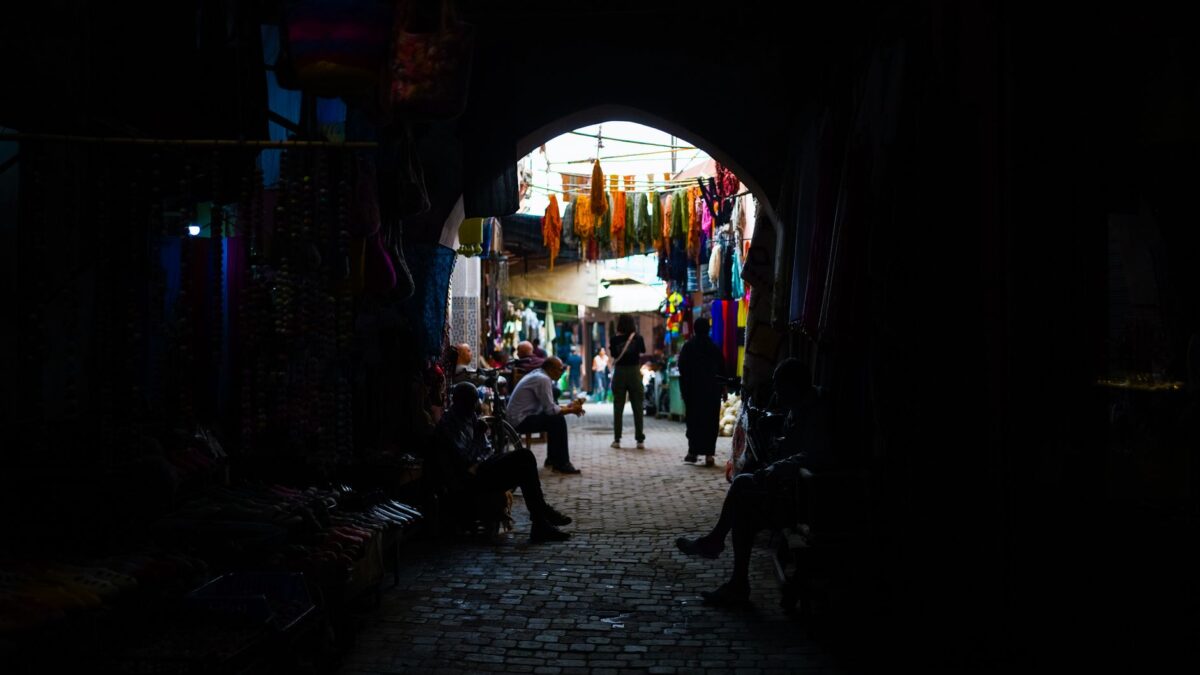
You step off the plane at Tunis-Carthage and the air hits you differently—warm, humid, carrying the scent of diesel, orange blossom, and the salt from the Mediterranean just minutes away. It is early November, olive-harvest season, and the roadside presses are already running. New-season oil glistens in jars while pomegranates and citrus dominate the market stalls. If you are wondering how much it costs to soak this up, let me be clear: Tunisia remains very cheap by Mediterranean standards. A full street-food lunch costs less than a euro-equivalent, bread and milk are state-subsidised, and your dinars go surprisingly far. But rent is the line that bites for locals, with central one-bedroom flats averaging around 900 TND against an average net salary of roughly 1,100 TND. For you, the tourist, the math is friendlier.
The Daily Grind: Food and Drink
Eating in Tunis is an exercise in abundance without breaking the bank. You do not need to hunt for Michelin stars to eat well; you need to find the resto populaire. These local canteens serve hearty, home-style meals for about 13.5 TND (roughly $4). This is where you will get a plate of fries with a fried egg, or a proper tagine, for the price of a coffee elsewhere.
If you want to sit down for a three-course meal for two at a mid-range restaurant, expect to spend around 65 TND ($21). It is a comfortable, respectable dinner, perhaps with wine or beer. Speaking of which, a local draft beer runs about 5 TND ($1.6), and if you just need a caffeine fix to start your morning, a cappuccino at a place like Sakrani’s coffee or The One Coffee Lounge will set you back roughly 3.4 TND ($1.1).
For the true budget adventurer, the street food is king. A bowl of lablabi—chickpeas, bread, harissa, and a soft egg—is only 3 TND ($1.0). A brik à l’œuf, that crispy fried pastry with a runny egg and tuna, is a mere 2 TND ($0.6). You can walk through the Souk El Attarine or Souk Ech-Chaouachine, eating your way through the scents of spices and perfumes, spending almost nothing to fuel your day.
Sleeping in the Capital
Accommodation is where your budget strategy matters most. If you are looking at long-term stays, a modest one-bedroom flat in the city centre rents for about 900 TND per month, though prices can range from 700 to 1,610 TND depending on exact location and finish. For short-term tourists, the options vary wildly.
In the Medina, you might find a traditional riad or guesthouse. Places like Dar Ben Gacem offer authentic charm, often including breakfast, but rates fluctuate with the seasons. In the Ville Nouvelle, near Avenue Habib Bourguiba, you have more international chains and business hotels. Options like Tiba Hotel or National Hotel cater to different price points. Generally, you can expect to pay anywhere from 80 to 200+ TND per night for a decent room, depending on whether you are booking last-minute or in advance. During events like the Jaou Tunis biennale or the Fabrika festival nearby in Monastir, coastal prices spike, so keep that in mind if your itinerary takes you outside the capital.
Moving Around Tunis
Tunis has a transit system that is efficient, affordable, and deeply integrated into daily life. You do not need to rely solely on taxis. The TGM (Tunis–Goulette–Marsa) suburban train is the best cheap commute in the country. Run by SNCFT, it takes you from Tunis-Marina to La Marsa via Carthage and Sidi Bou Said in about 25–35 minutes. A single ride costs roughly 0.7–1 TND. It runs every 12–15 minutes and is perfect for hitting the beach or the archaeological sites.
Inside the city, the Métro Léger (light metro) operated by Transtu covers the urban sprawl. A single fare is exactly 1.0 TND. You buy tickets at station windows. If you plan to use it extensively, a monthly public transport pass is available for about 50 TND ($16), though as a visitor, pay-per-ride is likely sufficient.
When you need speed or comfort, taxis are everywhere. The flagfall is 0.9 TND, but a short hop across town usually totals 4–7 TND. Apps like Bolt and Yango work well and fill the gaps, especially for airport transfers which cost between 8–15 TND to the centre. Just be aware that traffic in the medina gates, like Bab El Bhar, can be chaotic, so give yourself buffer time.
Attractions and Culture
One of the best things about visiting Tunis right now is the cultural calendar. If you are here in late October or early November, you might catch the 8th edition of Jaou Tunis, taking over the medina and central venues like B7L9 and Le 4e Art. Or perhaps the theatre festival ‘Saisons de la création’ at El Teatro. These events add vibrancy to the city, and many performances are low-cost or free.
For historical sights, the combination ticket for the Carthage archaeological circuit is excellent value. For about 12 TND, you get access to eight sites, including the Baths of Antoninus, the Roman theatre, and Byrsa Hill. The Bardo National Museum, housed in a 19th-century beylical palace, holds the world’s largest collection of Roman mosaics. Entry for foreigners is roughly 12–13 TND. Note that the Carthage National Museum on Byrsa Hill is currently shut for reinstallation, so stick to the open-air ruins and the Bardo.
Don’t miss Dar Ben Abdallah, an 18th-century medina palace turned folk-arts museum. It showcases carved stucco, painted ceilings, and traditional costumes for just a few dinars. It is closed Mondays, so plan accordingly. And if you need green space, Parc du Belvédère and its zoo offer 110 hectares of escape from the urban heat.
Practical Money Matters
The Tunisian dinar (TND) is not convertible, meaning you cannot buy it before you arrive. Bring Euros or US Dollars to exchange upon landing. The exchange rate hovers around 3.1 TND per US Dollar. Inflation is around 5.2%, so prices are stable but not static. Always carry small change; vendors may not have cash for large notes.
For connectivity, pick up a SIM card at the arrivals hall. Tunisie Telecom, Ooredoo, and Orange Tunisie all have kiosks until late evening. A starter package with data costs about 10–15 TND for 7–30 days. You will need your passport. 5G is now live in Tunis, making navigation and translation apps seamless.
Safety-wise, Tunisia is Level 1 for US travellers—exercise normal precautions. Street crime in Tunis is low. The main friction points are touts in the medina and aggressive drivers. Avoid border zones near Kasserine, but otherwise, enjoy the warmth of the hospitality. From the subsidised baguette costing just 0.4 TND to the lavish mosaic collections, Tunisia offers a richness that belies its low cost. Pack light, bring your curiosity, and let the dinar stretch as far as your appetite allows.
Frequently asked questions
How much does a meal cost in Tunis?
A meal at an inexpensive local restaurant (resto populaire) costs about 13.5 TND ($4). A mid-range three-course dinner for two is roughly 65 TND ($21).
Is public transportation cheap in Tunis?
Yes. A single tram or light metro ticket is 1.0 TND. The TGM train to Carthage or La Marsa costs about 0.7–1 TND per ride.
Do I need a visa to enter Tunisia?
Most EU, UK, US, and Canadian passport holders are visa-free for up to 90 days. You must travel with a full passport, not just an ID card.
What is the cost of a taxi ride in Tunis?
The meter flagfall is 0.9 TND. A short in-town hop typically totals 4–7 TND. Ride-hailing apps like Bolt are also widely used.
Are there cultural festivals happening in November?
Yes, events like Jaou Tunis (contemporary art) and the 'Saisons de la création' theatre festival often take place in late October and November.
Things to do in Tunisia
 VIP transfer between Tunis Carthage Airport and a hotel in Tunis
 07 -Guided day Tour Tunisia Monumental
 2D/1N Private Adventure – Explore Southern Tunisia, Douz & Tozeur
 Special offer
Horseback riding with private transfer
 Dromedary Expedition with Night in Camp and Sandboard
 Excursion VIP Tunis Medina Carthage Sidi BouSaid