

The best time to visit Greece
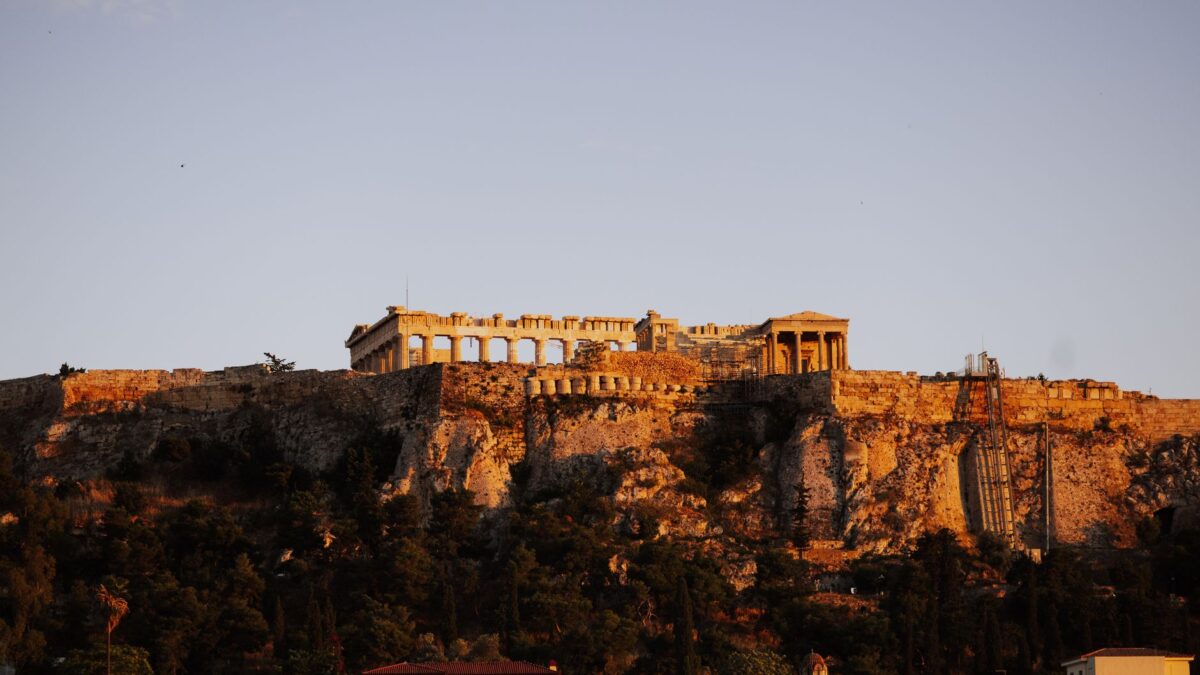
There is a specific magic to Athens in early November. The air turns crisp, the sun dips below the horizon before you’ve finished your evening coffee, and the scent of roasted chestnuts drifts from street carts on Kolonaki’s corners. It is the hinge between the tourist-heavy summer and the quiet, wet winter. But if you are planning a trip to Greece, the “best” time depends entirely on what kind of Greek life you want to live. Are you chasing the Aegean sea, or do you prefer wandering the marble streets of the capital with fewer elbows pushing past you? Let’s break down the seasons so you can pick the month that fits your rhythm.
Spring: The Awakening (April – May)
Spring is when Greece breathes out after its long winter sleep. By April, the temperatures in Athens hover around a comfortable 15–20°C, though rain is still common. This is the sweet spot for travelers who want to see the Acropolis without battling the midday heat. The wildflowers bloom across the hillsides, turning the landscape a vibrant green.
Prices begin to climb in late May as European visitors arrive, but early spring offers better deals on accommodation. You can find a night in a mid-range guesthouse for around €80, which is a steal compared to July rates. Food remains affordable; a souvlaki wrapped in pita (‘tylichto’) costs about €4.70, and a proper meal at a local taverna might run you €30 per person. Transport is easy and cheap—a single metro ticket is just €1.20. If you visit in May, you’ll catch the city gearing up for summer, with festivals starting to appear and the cafes on Dionysiou Areopagitou street filling with locals enjoying the mild evenings.
Summer: The High Heat (June – August)
Let’s be honest: summer in Greece is intense. From June through August, Athens sees scorching heat, often exceeding 30°C. The crowds are at their peak, particularly in July and August. If you plan to stay in the historic center near Monastiraki or Psyrri, expect noise, longer lines for the Acropolis Museum, and higher prices. However, this is the only time to experience the island-hopping lifestyle. The ferries are running at full frequency, and the nightlife in places like Gazi comes alive with beach clubs and open-air bars.
If you must travel in summer, book well in advance. Accommodation costs surge, and dining out becomes more expensive. A cappuccino might cost €3.70, and a draft beer €5.00. While the weather is hot, it is dry, making it ideal for coastal trips to Cape Sounion or sailing in the Saronic Gulf from marinas at Alimos or Glyfada. Just remember to validate every ride on the metro or bus; fines for invalid tickets can reach up to €100, and the heat makes navigating crowded stations even more exhausting.
Autumn: The Golden Season (September – October)
For many locals and savvy travelers, autumn is the best time to visit. September retains the warmth of summer but with lower humidity and fewer tourists. The sea is still warm enough for swimming, and the light is perfect for photography. Prices drop slightly after Labor Day, and you can enjoy meals at inexpensive local spots for €12–15 without the waitlists of July.
October brings cooler rains and a cozy atmosphere. Tavernas start serving new wine and tsipouro from the autumn pressing. It is an excellent time for cultural exploration. You can walk the pedestrian path along the Acropolis slope, visit the Benaki Museum in upscale Kolonaki, or explore the street art in Exarchia without the overwhelming summer crowds. Transportation remains efficient, with the ATH.ENA TICKET system making it easy to hop between the National Archaeological Museum and the ancient Agora. If you time it right, you might catch events like the Athens Bar Show in Technopolis Gazi, where bartenders gather for tastings and masterclasses.
Winter: The Quiet City (November – March)
Winter in Greece is not the dead season many assume. Athens transforms into a intimate, residential city. November marks the start of the wet season, with overcast skies and temperatures dropping to 8–15°C. Dusk falls before 18:00, encouraging earlier dinners and visits to indoor venues. However, this is when you get the true Greek experience. The beaches are empty, museums are uncrowded, and the locals are friendly and eager to chat.
Costs are at their lowest. A monthly rent for a modest flat is around €1,000–€1,050, reflecting the current housing market pressures, but short-term stays are affordable. You can navigate the city easily using the contactless tap2ride system on buses and trams, capped at €4.10 per day. Winter also hosts unique events. In November, you might witness the Athens Marathon, where the city shuts down around Vas. Sofias and Amalias avenues for the race finishing at the Panathenaic Stadium. Or, you could attend BIG TOP FEST in Galatsi, a contemporary circus festival that adds a splash of color to the gray days. If you are interested in history, November 17th commemorates the 1973 Polytechnic uprising, a poignant moment in Athens’ democratic identity.
Be aware that winter weather can disrupt transit. For instance, during maintenance periods, Line 3 metro stations may close early, requiring bus replacements. Also, long-term construction projects, such as the new Exarcheia metro station on Line 4, have narrowed streets and imposed speed limits in certain areas since late 2026. Despite these minor inconveniences, winter offers a serene beauty. Hike Mount Parnitha National Park for clear views, or simply sit in a café like Little Tree Books and Coffee, watching the rain wash over the neoclassical architecture of Plaka & Anafiotika.
- Spring is best for mild weather and sightseeing without extreme heat.
- Summer is ideal for beach holidays and nightlife, but expect crowds and high prices.
- Autumn offers the perfect balance of good weather, cultural events, and manageable costs.
- Winter suits budget travelers and those seeking a quiet, authentic urban experience.
Frequently asked questions
What is the cheapest month to visit Athens?
Winter months, particularly January and February, offer the lowest prices for accommodation and flights. However, late autumn (November) and early spring (April) provide a great balance of lower costs and decent weather.
How much does a typical meal cost in Athens?
An inexpensive local meal, such as a souvlaki plate, costs around €12–15. A mid-range restaurant dinner runs approximately €30 per person. Street food items like a 'tylichto' gyros wrap are about €4.70.
Is public transport reliable in Athens during winter?
Generally yes, but check for occasional disruptions. For example, Line 3 metro may close early for maintenance, requiring bus replacements. The contactless tap2ride system caps daily fares at €4.10, making it affordable and easy to use.
What major festivals happen in Athens in November?
November features the Athens Marathon (early Nov), the Athens Bar Show in Technopolis Gazi, and BIG TOP FEST in Galatsi. It is also the time for the anniversary of the 1973 Polytechnic uprising on November 17.
Do I need a visa to visit Greece for tourism?
Schengen rules apply. Many nationalities can enter visa-free for up to 90 days in any 180-day period. Others require a Type C Schengen visa. Long-term stays require a Type D visa and registration.
Things to do in Greece
 Likely to sell out
Milos oneiro-kleftiko sailing experience with local guide
 Best Of Santorini Private Tailor Made Tour
 Sailing trip to the Top Coasts of Crete, Daily/Multi-day
 Santorini Private Full-Day Tour – Customizable Island Experience
 Likely to sell out
The Greek Food Experience (Max 8 persons)
 Athens Greek Cooking Class: Pita Gyros from Scratch –The Original