

Colombia etiquette: the dos and don’ts
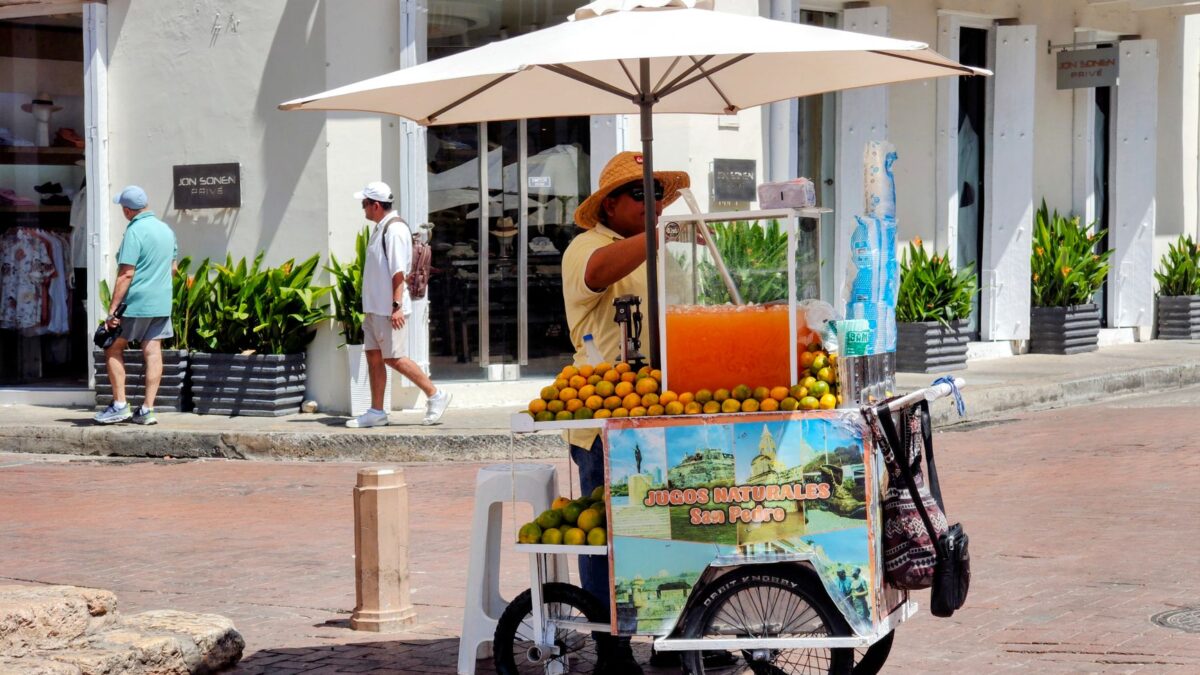
It is 4:00 PM in La Candelaria, and the sky has just turned the color of a bruised plum. The first drops of Bogotá’s second rainy season hit the cobblestones, sizzling against the warm pavement before swelling into a sudden, heavy downpour. You are likely standing outside a café on Calle 15, watching traffic stall as the city’s arteries clog—a familiar sight here where the Andean winds bring afternoon storms without warning. This is not chaos; this is rhythm. To navigate Colombia with grace, you must learn to move with this weather, not against it. Etiquette here is less about rigid rules and more about warmth, patience, and recognizing that every interaction is an invitation to connect.
The Art of the Greeting: Warmth Over Speed
In Bogotá, efficiency is rarely the priority; human connection is. If you enter a small shop or a taxi, do not launch immediately into your request. You must greet. A simple “Buenas tardes» or “Hola, ¿cómo estás?» is mandatory. It signals respect and acknowledges the person behind the counter. In many neighborhoods, particularly in the historic center around Plaza de Bolívar, ignoring the greeting is considered rude, akin to walking past someone on the street without eye contact.
Physical touch is part of the social fabric. When meeting someone for the first time, expect a firm handshake. As familiarity grows, among women, or between men who have bonded, the abrazo (a one-armed hug) or a kiss on the cheek becomes standard. Do not pull back. Colombians stand closer than many Northern Europeans or North Americans, and maintaining distance can be read as coldness or disinterest. Embrace the proximity. It is an open door.
Dining Like a Local: Patience and Sharing
Colombian food culture is built on abundance and slowness. Whether you are eating a corrientazo set lunch—typically priced around 12,000–17,000 COP (about $4)—or a more elaborate meal at a mid-range restaurant costing roughly 35,000 COP (about $9), the pace is deliberate. Meals are not rushed. If you finish quickly, do not signal the waiter to clear your plate immediately; wait until others are done, or simply leave it. Rushing is seen as impatient.
Tipping is not legally mandated but is deeply appreciated. In restaurants, a 10% tip is standard if service was good. Check your bill carefully; sometimes a 10% service charge (servicio) is already included. If it is, you do not need to add extra unless you wish to reward exceptional service. In bars or for coffee at places like Azahar Coffee Parque 93, rounding up or leaving small change is common practice. Never tip by leaving coins on the table in a formal setting; instead, hand them to the server with a thank you, or leave them on the saucer if that is the custom in that specific establishment.
When dining out, remember that sharing is communal. If you order a bandeja paisa (around 18,900 COP, or $5), it is a massive portion meant to be shared or savored over hours. Do not ask for a “to-go box” immediately; it implies you did not enjoy the experience. Instead, take your time. Engage with your companions. Silence at the table is rare; conversation flows as freely as the aguardiente.
Dress and Demeanor: Smart Casual is King
Bogotá residents, or Pacenses, dress well. Even for casual outings, there is an effort put into appearance. You will see people in Chapinero’s Zona G dressed in stylish, contemporary fashion, while in Usaquén, the vibe is slightly more bohemian but still polished. As a visitor, you do not need to wear suits, but avoid looking overly sloppy. Clean, neat clothing is respected. In upscale venues in Zona T or near Parque de la 93, smart casual is expected; jeans and a nice shirt work perfectly.
However, practicality wins over fashion in Bogotá due to the weather. The temperature hovers between 10–20°C, and rain is unpredictable. Always carry a light, waterproof jacket or an umbrella. Locals appreciate when visitors adapt to the climate rather than fighting it. Wearing high heels on the slick, rain-soaked cobblestones of La Candelaria is a recipe for disaster—and embarrassment. Comfortable, water-resistant shoes are the true mark of a savvy traveler.
Also, be mindful of modesty when visiting religious sites. The Sanctuary of Our Lady of Carmen or the churches around Plaza de Bolívar require covered shoulders and knees. It is easy to overlook, but respecting these spaces shows cultural sensitivity. Conversely, in the vibrant LGBTQ+ friendly zones of Zona Rosa, self-expression is celebrated, and you will see a wide array of bold, creative fashion.
Navigating the City: Transit and Safety Customs
Getting around Bogotá requires a bit of local know-how. Cash is virtually dead for transit. You must use the TuLlave card, which costs around 8,000 COP to purchase and recharged via apps or at stores like Éxito. Using cash on TransMilenio buses or the SITP system is impossible. Show up prepared, or you will be stranded. When boarding, let passengers exit before you enter. This is not just politeness; it is survival in crowded peak hours.
Safety is a serious consideration. While Bogotá is generally safe in tourist areas like Usaquén, Teusaquillo, and Zona T, petty crime exists. Keep your phone out of sight. Do not walk with your head down, staring at your screen. Wear your backpack on your front in crowded areas like the Gold Museum or during events like Noche de Museos, where crowds swell. Avoid La Perseverancia and Las Cruces at night, and stay alert in La Candelaria after dark.
When taking taxis, use reputable apps or have your hotel call one. Never hail a cab off the street unless you are in a pinch. Agree on a fare if the meter is not used, though app-based rides are safer and transparent. Remember, Colombians are helpful, but scammers also exploit kindness. Trust your gut.
Small Customs That Matter
Language matters. Even if you speak English, learning a few Spanish phrases opens doors. “Por favor» (please) and “Gracias» (thank you) should be used constantly. “Disculpe» (excuse me) is essential when bumping into someone on the busy sidewalks of Carrera 7. Colombians appreciate the effort. If you make a mistake, laugh it off. Humor is a vital coping mechanism here, especially during traffic jams or rain delays.
Respect personal space and time. “Colombian time» is flexible. If a friend says they will meet you at 7 PM, they might arrive at 7:30 or 8:00. Do not show irritation. Patience is viewed as a virtue. Similarly, do not interrupt conversations. People talk over each other animatedly; this is passion, not rudeness. Wait for a pause to interject.
Finally, embrace the hospitality. If invited to a home, bring a small gift—chocolate, wine, or flowers. Do not arrive empty-handed. And when you leave, express genuine gratitude. Colombians go above and beyond for guests. Reciprocate with warmth, openness, and a willingness to engage. That is the ultimate etiquette: treating every stranger as a potential friend.
Frequently asked questions
How much should I tip in Colombian restaurants?
A 10% tip is standard in restaurants if service is good. Check your bill first, as a 10% service charge may already be included. In cafes or for coffee, rounding up or leaving small change is appreciated.
Do I need to carry cash for public transport in Bogotá?
No. You must use the TuLlave card for TransMilenio and SITP buses. Cash is not accepted on board. You can recharge the card at supermarkets like Éxito or pharmacies.
What is the appropriate dress code for Bogotá nightlife?
Smart casual is the norm. In areas like Zona T or Zona G, neat jeans and shirts/blouses are expected. Avoid overly casual or sloppy attire, and choose water-resistant shoes due to frequent rain.
Is it rude to rush a meal in Colombia?
Yes. Meals are leisurely social events. Do not signal for the check immediately after eating. Wait for others to finish, and enjoy the conversation. Rushing is seen as impatient.
Which areas of Bogotá are safest for tourists?
Zona T/Parque 93, Chapinero/Zona G, and Usaquén are considered the safest. Avoid La Perseverancia, Las Cruces, and parts of La Candelaria at night. Keep valuables hidden and use trusted taxis.


