

Albania in November 2026: what travelers should know now
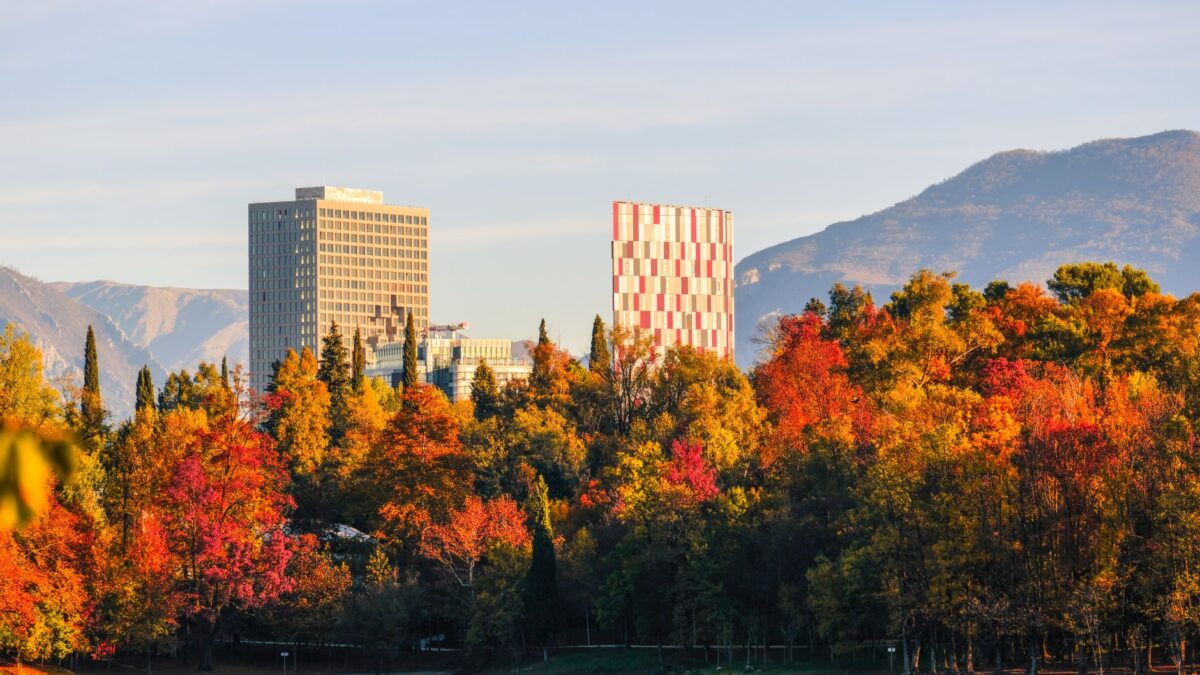
It is damp, grey, and distinctly autumnal in Tirana this week. As I step out onto Rruga Myslym Shyri, the plane trees along the Lana are shedding their last gold leaves, and the air carries that specific November chill—8–17°C with a steady drizzle that has soaked the pavement for hours. If you are planning to visit Albania right now, you need to know that this is not the sun-baked summer destination you might remember from travel brochures. This is a city of heavy coats, umbrellas, and rapid political shifts.
The mood on the ground is tense but resilient. Just yesterday, central Tirana saw significant unrest. Student-led protests turned violent near the Education Ministry and the Prime Minister’s Office, with masked youths throwing stones and setting bins alight. Police responded with tear gas and water cannons, taking twelve people into custody. While the streets have cleared today, the atmosphere remains charged. A new normative act, in force since late October, imposes steep on-the-spot fines for protest offenses—a 500,000 lek penalty was just issued to one demonstrator. Residents feel this directly, and while tourists are not targeted, you must be aware that large gatherings can spark sudden police responses.
Navigating Current Events and Safety
For travelers arriving this month, situational awareness is your most important tool. The recent violence was concentrated in the administrative heart of the city around Skanderbeg Square and the government district. Central areas like Blloku and Pazari i Ri remain safe, well-policed, and largely unaffected by the unrest, but avoid any crowds gathering near government buildings. The police presence is heightened, and the new strict penalties mean that even accidental participation in or proximity to unauthorized assemblies could result in significant financial penalties.
The Tirana Marathon, originally scheduled for early November, has been pushed back two weeks to 14–15 November because organizers determined that current protest conditions did not meet safety standards. If you had planned to watch the race or join the festivities, mark your calendar for mid-November instead. In the meantime, cultural life continues. The 48 Hour Film Project kicks off this weekend at Kinema Agimi, with teams drawing genres and shooting over the next few days. It is a great way to engage with local creativity away from the political noise, culminating in a premiere and awards night on 28 November.
Weather, Packing, and Seasonal Realities
Tirana in November is wet. With about 2mm of rain already recorded today and forecasts showing continued showers, you must pack for dampness. The first snow usually appears on Mount Dajti while the city stays in jackets-and-umbrella weather. Do not underestimate the chill; a light jacket will not suffice. Bring waterproof footwear, as sidewalks along Blloku and near the Grand Park can become slippery and uneven when wet.
This is the shoulder season, meaning fewer tourists but also shorter daylight hours. The seasonal markets are shifting: look for persimmons, mandarins, chestnuts, and freshly pressed olive oil. These are the flavors of November. If you head up to Dajti National Park via the cable car, you may catch the first dustings of snow, offering a stark contrast to the grey city below. However, check transport schedules closely, as winter timetables often begin shortly after this month.
Costs and Economic Context
Tirana is currently the most expensive capital in the region relative to local wages. Food absorbs nearly 40% of household budgets here, and rents have risen significantly. For visitors, this means dining out is relatively affordable compared to Western Europe, but prices are firm. A traditional meal at a ‘lokale’ runs about 800–1,500 lek (approx. $12), while a basic single-person meal is around 659 lek ($7). You can grab a byrek from a bakery for 50–100 lek, or a plate of qofte for 350–500 lek.
Transport is cheap but cash-only. Single bus fares are 40 lek, though lines connecting Kamza and Paskuqan rose to 50 lek recently. Pay the conductor (‘faturino’) directly on board. If you plan to move around frequently, a monthly pass is approximately 1,600 lek ($17). Coffee culture remains strong; expect to pay around 150 lek ($1.6) for an espresso. Be mindful that rent for a modest one-bedroom flat in peripheral areas starts at 45,000 lek, rising to 90,000 lek in sought-after central zones, reflecting the high cost of living locals face.
Events and Cultural Highlights
Despite the political tension, Tirana’s cultural calendar is active. The Tirana Book Fair fills the Palace of Congresses in the third week of November, featuring new releases and publisher discounts. It is the city’s main literary gathering and a quiet refuge from the street-level news. Additionally, keep an eye on Tirana Food & Fest at Skanderbeg Square. Sources list conflicting dates (4–7 vs. 12–15 November), so verify locally before heading there. Expect 70-plus food producers from across the Balkans and beyond, plus live music, if the event proceeds as scheduled.
For those interested in nightlife and dining, Blloku remains the epicenter. After dark, the area buzzes with energy, though it can be noisy. Districts like Komuna e Parisit offer a quieter, leafier alternative with real grocery stores and 24-hour pharmacies, ideal for longer stays. If you want authentic local cuisine, seek out places serving tavë kosi (baked lamb in yogurt) or fërgesë for around 500–700 lek.
Practical Tips for Arrival
If you are entering Albania now, remember that citizens of the US, UK, EU, Canada, and many others enter visa-free for 90 days. However, all entry and exit is recorded electronically, so overstaying is flagged. If you plan to stay longer than three months, EU citizens can register online for free under 2026 amendments, while others must apply for a Residence Permit via the e-Albania portal. Note that e-Albania registration requires an Albanian phone number for SMS verification, so buy a prepaid SIM from Vodafone, One, or ALBtelecom immediately upon arrival.
Banking is straightforward; major banks like BKT, Raiffeisen, and Intesa Sanpaolo allow non-residents to open accounts with a passport, though residents typically need a permit. Finally, stay alert to local news. The situation is fluid, but Tirana’s hospitality endures. Enjoy the chestnuts, the coffee, and the resilience of a city that keeps moving forward, even when the skies are grey.
Frequently asked questions
Is it safe to visit Tirana during the November 2026 protests?
Central administrative areas like Skanderbeg Square are tense due to ongoing student-led demonstrations, but districts like Blloku and Pazari i Ri remain safe and well-policed. Avoid government buildings and large crowds.
What is the weather like in Tirana in November 2026?
Expect damp, cool weather with temperatures between 8–17°C and frequent rain showers. Pack waterproof gear and warm layers, as the city stays in jacket-and-umbrella mode even if Mount Dajti sees early snow.
When is the Tirana Marathon happening this year?
The marathon has been postponed to 14–15 November 2026 due to safety concerns regarding recent civil unrest. Check official sources closer to the date for final confirmation.
How much does a typical meal cost in Tirana now?
A traditional meal at a local 'lokale' costs about 800–1,500 lek ($12), while a basic restaurant meal is around 659 lek ($7). Street food like byrek is roughly 50–100 lek.
Do I need a visa to enter Albania in November 2026?
Citizens of the US, UK, EU, Canada, and many others can enter visa-free for 90 days within any 180-day period. All entries are recorded electronically, so ensure you do not overstay.


