

Moving to Bhutan: visas, banking and SIM cards
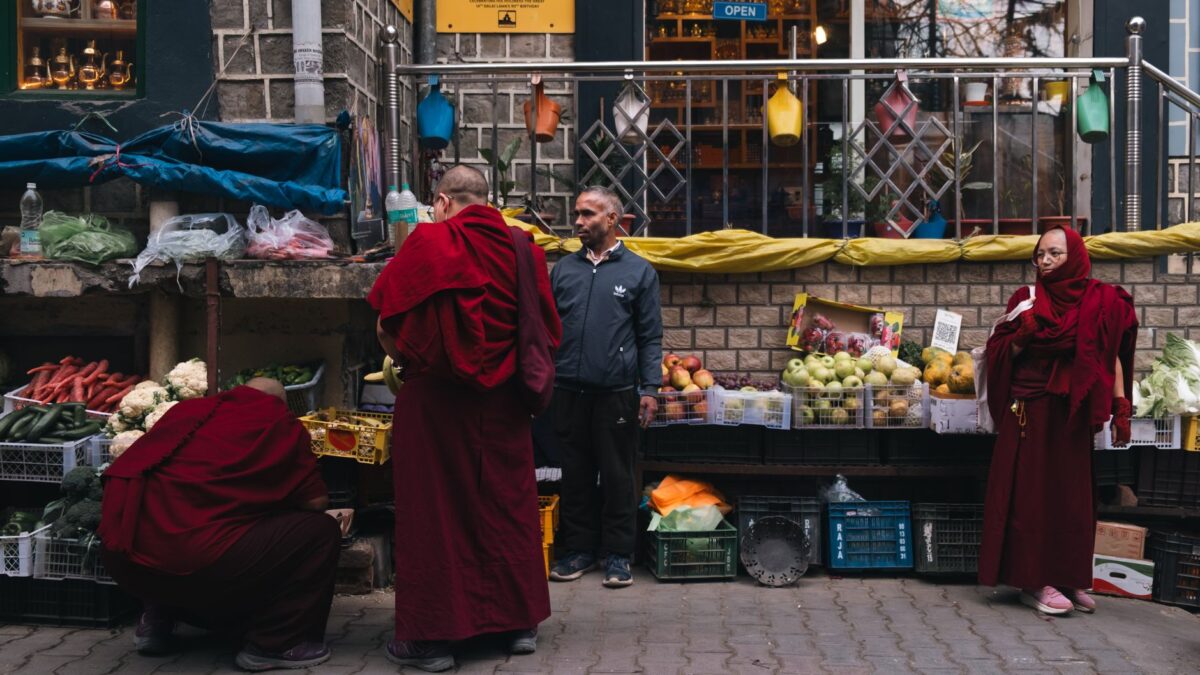
Thimphu is crisp this morning. The air carries that sharp, post-monsoon clarity that makes the Himalayan peaks look like they’ve been carved from white marble rather than rock. It’s around 4°C here at dawn, with a light drizzle tapping against the windows of my office near the capital’s center. If you are reading this while planning your move to Bhutan, know that you are arriving during one of our most beautiful seasons. Red chillies are drying on every rooftop, apples are abundant in the markets, and the Black-Necked Cranes are beginning their migration into the Phobjikha valley. But before you can enjoy the view from Buddha Dordenma or catch a bus up to Simtokha Dzong, you need to handle the bureaucracy. Moving to Bhutan is not about rushing; it is about settling in properly.
Navigating Entry and Residence Basics
Your journey begins long before you land. Unlike many destinations where you can show up and figure it out, Bhutan requires a structured entry for longer stays. You will likely arrive through Paro International Airport, but your first administrative stop isn’t the airport—it’s the Department of Immigration. For tourists, we have a daily tariff, but for those moving here for work, study, or family reunification, you must secure the appropriate visa category before arrival. This is usually facilitated by a licensed Bhutanese tour operator who acts as your sponsor.
Once you clear immigration, your immediate priority is securing accommodation. Thimphu is growing, but housing can be tight, especially if you time your arrival incorrectly. Be aware that during major events, such as the upcoming Black-Necked Crane Festival in November, beds and vehicles in the capital book up weeks in advance. For a modest one-bedroom flat, whether on the outskirts or closer to the city centre, you should budget around Nu 8,000 to Nu 12,000 per month. This might seem steep given the median urban income, but it reflects the high demand in the capital. Hotels like Hotel Bhutan Home or Lemon Tree Hotel offer good short-term bases while you hunt for a permanent home, costing roughly Nu 4,000 to Nu 8,000 per night.
Opening a Bank Account
You cannot survive in Thimphu without a local bank account. While cash is still used in some small transactions, digital payments via eSewa and Tiki are becoming ubiquitous, and almost all rent agreements require direct transfers. As a foreign resident, opening an account is straightforward but requires specific documentation. You will typically need your passport, your valid visa/residence permit, and proof of address—often a signed lease agreement.
I recommend starting with a major institution like the Bank of Bhutan, specifically their Main Branch in Thimphu, or perhaps Punjab National Bank if you have existing ties. Other reliable options include Bhutan Development Bank and Druk PNB Bank Ltd. The process is not instantaneous; expect to spend a day or two completing forms and visiting the branch. Once active, you will receive a debit card that works at ATMs across the country. Keep in mind that while street food is incredibly cheap—a plate of momos costs about Nu 50, and a meal of ema datshi with red rice runs Nu 150–200—your larger expenses like rent and utilities will drain your account quickly if you aren’t careful. Managing your finances early prevents stress later.
Getting a Local SIM Card
Connectivity in Bhutan is surprisingly robust, even in remote valleys, thanks to strong infrastructure investments. However, roaming charges from your home provider can add up fast. Getting a local SIM is essential for navigating the city, booking taxis, and staying in touch with colleagues. There are two main providers: Bhutan Telecom (BT) and Tashi Cell. Both cover Thimphu perfectly, though BT often has a slight edge in rural coverage if you plan to travel outside the capital frequently.
To buy a SIM, you must visit a branded store with your passport and visa documents for registration. The process takes about 30 minutes. Prepaid packages are flexible and affordable. A basic data package might cost you around Nu 185 for a single coffee’s worth of connectivity, but you’ll get much more value with monthly bundles. Having a local number also helps when dealing with government offices or landlords, as many communications happen via WhatsApp or text. Don’t rely on Wi-Fi in cafes like Ambient Cafe or Coffee Culture for critical tasks; ensure your mobile data is working seamlessly.
Daily Logistics and Registration
Once your admin is sorted, you need to understand how to live in Thimphu. Transportation is a mix of public buses and private taxis. The city bus system is efficient and cheap, with a single fare around Nu 34. If you’re running late or carrying heavy groceries, a short taxi ride will set you back roughly Nu 190. It’s worth learning the bus routes if you want to save money, but for convenience, taxis are readily available.
Food is where you will find the greatest joy and savings. The local canteens, often called ‘Local Food’ spots, serve authentic sets of ema datshi and red rice for just Nu 100–150. For a slightly more upscale experience, places like Thimphu Courtyard or Elsewhere Art And Cafe offer meals in the Nu 250–400 range. If you prefer baking goods, a loaf of bread is about Nu 30, and milk is roughly Nu 60 per litre. These prices make living sustainably very achievable. However, be mindful of seasonal disruptions. Recent glacial lake bursts in Gasa have affected travel routes north and west of Thimphu, so always check current road conditions if you plan weekend treks or visits to hot springs like Gasa Tshachu.
Finally, remember to register your stay if required by your specific visa type. Most long-term residents must update their details with the immigration authorities periodically. Keep copies of all your documents safe, and don’t hesitate to ask neighbors or colleagues for help—they are generally warm and willing to guide newcomers through the nuances of Bhutanese life.
Frequently asked questions
How much does it cost to rent a one-bedroom flat in Thimphu?
A modest one-bedroom flat typically costs between Nu 8,000 and Nu 12,000 per month, depending on proximity to the city center.
Which banks are best for foreigners opening accounts in Bhutan?
The Bank of Bhutan Main Branch, Punjab National Bank, Bhutan Development Bank, and Druk PNB Bank Ltd are reliable choices for new residents.
What is the price of a typical local meal in Thimphu?
An inexpensive local canteen meal like ema datshi with red rice costs around Nu 100–150, while mid-range restaurants charge Nu 250–400 per person.
How do I get a local SIM card as a newcomer?
Visit a Bhutan Telecom or Tashi Cell store with your passport and visa to register and purchase a prepaid package.
Is public transport affordable in Thimphu?
Yes, a single city bus fare is approximately Nu 34, making it a very economical way to get around compared to taxis which cost around Nu 190 for short trips.


