

A first-timer’s guide to Czechia
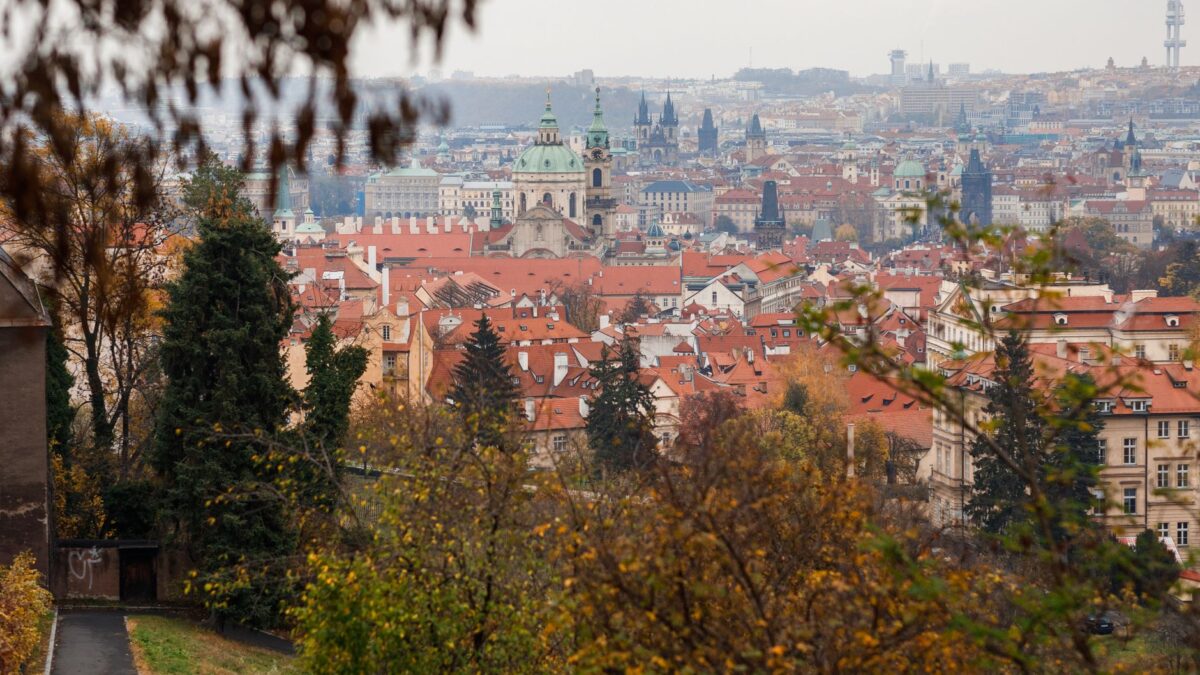
The rain in Prague doesn’t just fall; it hangs. It is a fine, persistent mist that clings to the cobblestones of the Old Town and turns the Vltava River into a sheet of dark glass. If you are visiting now, in early November, you will feel this damp chill immediately. The days are short, with twilight arriving by late afternoon, and the last autumn leaves are being swept from the parks. But there is a specific warmth to this season: the air smells of roasted chestnuts, wet wool, and the first young Svatomartinské wine being uncorked in local pubs. As someone who has navigated these streets for years, I want to help you experience Czechia not as a postcard, but as a living, breathing place—with all its quirks, costs, and quiet magic.
When to Visit and How Long to Stay
Czechia is a four-season country, but the when matters deeply. Summer brings crowds and heat to Prague’s narrow streets. Winter offers Christmas markets that are magical but freezing. However, my personal recommendation for a first-timer is late spring or early autumn. You get decent weather without the August crush. If you visit in winter, pack layers; temperatures can drop below freezing, and the light is brief.
For duration, aim for at least five to seven days. This allows you to spend three days in Prague—enough to see the major landmarks without burning out—and two or three days for a day trip or a short stay elsewhere. The high-speed rail network makes it easy to reach Český Krumlov, Karlovy Vary, or Kutná Hora. If you only have three days, stick to Prague but skip the tourist traps and explore the neighborhoods like Vinohrady or Žižkov instead.
Getting Around: Transit Tips and Current Disruptions
Prague’s public transport system, PID (Prague Integrated Transport), is excellent, clean, and affordable. You do not need a car. The metro, trams, and buses cover the entire city. Buy your tickets via the PID Lítačka app on your phone—it is faster than buying paper tickets and slightly cheaper (36 CZK vs. 39 CZK for a single 30-minute ticket). A monthly pass costs around 550 CZK, which is a steal if you are staying long-term.
Important current disruptions: If you are traveling in late 2026, be aware that tram lines 16 and 34 are cancelled between Nákladové nádraží Žižkov and Ohrada due to track reconstruction. Replacement bus X9 serves the gap. Also, Flora metro station on Line A remains closed for reconstruction until late 2026. You will need to walk or take a detour to access the Žižkov area. Always check the dpp.cz website for real-time updates before heading out.
From Václav Havel Airport, take bus 119 to Nádraží Veleslavín (Metro A) or bus 100 to Zličín (Metro B). Avoid unmarked taxis at the airport; use Bolt or Liftago, or the official Airport Express (AE) bus to Hlavní nádraží.
Money, Costs, and Dining Realities
The currency is the Czech Koruna (CZK). While some tourist spots accept Euros, the exchange rate is usually poor. Pay in CZK. Prague is still one of the more affordable EU capitals, especially for food and drink, but prices have risen. Rents are up roughly 8–10% year-on-year, so budget accordingly if you are considering an extended stay.
- Transport: A single transit ticket is about 36–39 CZK ($1.60).
- Dining: An inexpensive sit-down lunch (soup + main + beer) runs 250–350 CZK ($13). A mid-range dinner is 250–500 CZK ($16).
- Beer: This is where you save money. A half-liter draught lager in a normal pub costs 50–70 CZK ($2.60). In cheap neighborhood hospody, it can be as low as 36–39 CZK. Avoid Old Town tourist traps where a pint might cost 90–140 CZK.
- Snacks: Try an Utopenec (pickled sausage) for about 55 CZK ($2.40). Guláš with bread dumplings costs 350–450 CZK in tourist zones, but less in local spots.
Always pay by card; it is accepted almost everywhere. Never change money at “0% commission” kiosks near Old Town Square—they often hide bad rates. Use bank ATMs or withdraw cash from banks like Česká spořitelna or ČSOB.
Neighborhoods: Where to Explore Beyond the Castle
Most first-timers stay in Prague 1 (Old Town/Nové Město), which is convenient but crowded. To live like a local, wander into these districts:
Vinohrady (Prague 2)
Art Nouveau avenues, great brunches, and specialty coffee shops. Náměstí Míru metro station is the hub. Riegrovy sads park offers a famous sunset beer garden with views of the castle.
Žižkov (Prague 3)
Rough-cut, vibrant, and saturated with pubs—roughly 300 per capita. See the Žižkov Television Tower with David Černý’s crawling babies. Note the transit disruptions mentioned above if you stay here.
Karlín (Prague 8)
A rebuilt, flat, riverside district known for startups and specialty coffee. Kasárna Karlín is a cultural center with events and dining. Easy access via Metro B.
Holešovice & Letná (Prague 7)
Post-industrial cool. DOX Centre for Contemporary Art is here. Letná Park has a massive beer garden and the classic skyline view. Stromovka park is great for walking.
Vršovice (Prague 10)
Lived-in and authentic. Krymská street has great bars. Kubáň farmers’ market is in the park. Cheaper than Vinohrady.
Essential Practicalities: Visas, Safety, and Culture
Visas: US, UK, Canadian, and Australian passport holders enter visa-free for 90 days in any 180-day period. Biometric EES registration replaced passport stamps in April 2026. Beware of fake ETIAS websites; the official EU site is the only legitimate source. For stays over 90 days, you need a long-stay visa or residence permit.
Safety: Prague is safe from violent crime but pickpockets thrive on Tram 22, Charles Bridge, and Wenceslas Square. Keep your bag zipped and front-facing. Do not change money at kiosks. Taxis should be booked via apps.
Culture: Czechs value directness. Punctuality is appreciated. When drinking, wait for everyone to be served before taking the first sip. Toasting is important; make eye contact when saying “Na zdraví!” If you visit a church, dress modestly. Prague Castle and St. Vitus Cathedral require tickets, but the grounds of Vyšehrad fortress offer free panoramic views and are a quieter alternative.
Czechia is a country of contrasts: medieval history meets modern innovation, damp gloom meets warm pub interiors. Take your time, talk to locals, and don’t rush the guláš. It is a place that rewards patience and curiosity.
Frequently asked questions
How much does a beer cost in Prague?
In a normal pub, a half-liter draught lager costs about 50–70 CZK ($2.60). In cheap neighborhood hospody, it can be as low as 36–39 CZK. Tourist traps in the Old Town may charge 90–140 CZK.
Do I need a visa to visit Prague for tourism?
US, UK, Canadian, and Australian citizens do not need a visa for stays up to 90 days within any 180-day period. Biometric EES registration is required upon entry as of April 2026.
Is Prague expensive compared to other European capitals?
Prague is generally more affordable than Western European capitals, especially for dining and alcohol. However, rents and some tourist-area prices have risen. A local lunch costs around 250–350 CZK.
How do I get from Václav Havel Airport to the city center?
Take bus 119 to Nádraží Veleslavín (Metro A) or bus 100 to Zličín (Metro B). The Airport Express (AE) bus goes directly to Hlavní nádraží. Avoid unmarked taxis.
Are there current public transport disruptions in Prague?
Yes. Tram lines 16 and 34 are cancelled between Nákladové nádraží Žižkov and Ohrada until December 2026. Flora metro station on Line A is also closed for reconstruction.


