

A first-timer’s guide to Chile
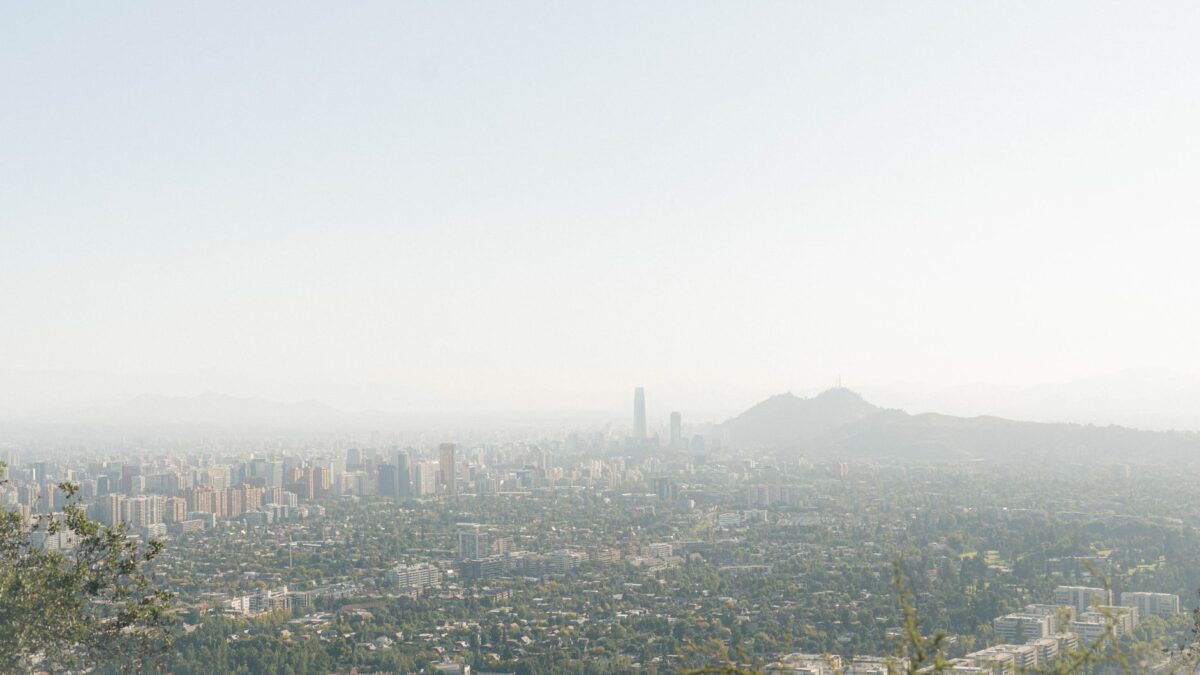
The jacarandas are in full purple bloom, casting a shadow over the terraces of Manuel Montt. It is late spring in Santiago, and the air is dry, dusty, and warm, hovering around 25°C by afternoon. If you are standing here with a cherry-stained hand from the nearest feria, you might think you have arrived in a generic Latin American capital. But look up: the Andes rise abruptly behind the glass towers of Las Condes, a geological wall that defines every view, every weather pattern, and every soul in this city. I am Tomás Fuentes, and if you are planning your first trip to Chile, let me save you from the tourist traps and show you how we actually live here.
When to Visit and How Long to Stay
Santiago’s seasons are distinct. Late spring (November) offers blooming trees and pleasant days, though rain showers can pop up unexpectedly—expect about 5mm of rain over a few hours if the clouds roll in. Summer brings long, hot days perfect for escaping to the mountains, while winter turns the sky grey and damp. For most travelers, the sweet spot is between October and April.
How long should you stay? If you want to see just the capital, five to seven days is plenty. You can walk the historic center, lose yourself in Bellavista’s nightlife, and take day trips to Cajón del Maipo. However, Chile is not a country you rush. Most first-timers underestimate the scale. Plan for at least two weeks if you intend to split time between the north (Atacama), the central valley (wine regions like Colchagua), and the south (Lake District). Santiago is best used as a dynamic hub rather than a destination in itself.
Getting Around: The Metro, Buses, and Reality
Santiago is vast, spread out along a north-south axis flanked by the Andes and hills to the west. The most efficient way to navigate is the Metro. It is clean, safe, and extensive. You will need a bip! card, which costs roughly CLP 1,550 to purchase. This card works across the entire RED Metropolitana de Movilidad network, including city buses and the Tren Nos commuter rail.
Fares vary by time of day. During peak hours, a single metro ride is around CLP 870, while off-peak it drops to roughly CLP 710. Bus fares are generally flat at about CLP 770. A smart tip for longer stays: the monthly transit cap is approximately CLP 41,000. Once you hit that limit, rides become unlimited for the rest of the month—a bargain compared to buying tickets daily.
While the Metro is king, be aware of ongoing construction. Line 7 is currently under development, meaning some bus routes, particularly J13 and J13c in Cerro Navia near Torre de Pisa, are diverted. Always check the Red Movilidad app before heading out. For night travel, stick to Uber or Cabify. The streets of Centro Histórico, while vibrant by day, empty out after dark and are less inviting at night.
Money, Costs, and the ‘Completos’ Economy
The currency is the Chilean Peso (CLP). With inflation hovering around 4.2%, prices are stable but rising in key sectors. Santiago is one of Latin America’s pricier cities. If you are looking to rent a modest one-bedroom apartment in central areas like Santiago Centro, expect to pay between CLP 328,000 and 340,000 per month. In cheaper communes like Estación Central, it might drop to around CLP 264,000.
For visitors, the most striking price change is on the street food staple: the completo italiano—a hot dog loaded with avocado, tomato, and mayonnaise. Downtown, this meal now runs CLP 3,500 to 4,000 (about $4 USD). It sounds small, but when you add a coffee (CLP 2,500+) and a metro ticket, costs add up quickly. Bring cash for smaller vendors and ferias, but credit cards are widely accepted in restaurants and malls. ATMs are plentiful, but watch out for dynamic currency conversion; always choose to be charged in CLP, not your home currency.
Neighborhoods: Where to Base Yourself
Your choice of neighborhood dictates your experience. For first-timers, I recommend staying in Providencia or Bellas Artes/Lastarria.
Providencia is leafy, safe, and residential. It is anchored by Metro Line 1 stations like Pedro de Valdivia and Los Leones. The area around Manuel Montt is a hub for cafes and upscale dining. If you prefer the bohemian vibe, Bellavista puts you at the foot of Cerro San Cristóbal. Here, you can visit La Chascona, Pablo Neruda’s ship-shaped house-museum, and bar-hop along Pío Nono. It is lively, artistic, and close to the university district.
Avoid staying in the immediate vicinity of Plaza de Armas unless you are on a tight budget. While the colonial architecture is stunning, the area feels desolate at night. Instead, head east to Las Condes or Vitacura if you want luxury. Vitacura is Santiago’s most exclusive address, with designer boutiques along Alonso de Córdova and fine dining along the river, though it lacks direct Metro access.
Essentials: Visas, Safety, and Local Secrets
Visitors from the US, EU, UK, Canada, and Australia do not need a visa for stays up to 90 days. You will receive a Tarjeta de Turismo slip upon entry. Keep this paper safe! Hotels use it to exempt you from VAT, and you must present it when exiting the country. If you plan to stay longer, you cannot simply convert your tourist status; you must apply for a residence permit via SERMIG before traveling.
Safety-wise, Santiago is generally safe, but petty theft is real. Watch your phone in crowded Metro stations and avoid flashing expensive jewelry in Centro Histórico. Use common sense: if a street feels empty, leave it. Upscale areas like Providencia and Las Condes are very secure.
Here are three things I wish I knew when I first arrived:
- Eat at the Ferias: Skip the tourist-trap restaurants near the Cathedral. Walk to La Vega Central, just across the Mapocho River from Mercado Central. It is where locals buy produce. Grab a sandwich or fresh juice from a stall there—it is cheap, fresh, and authentic.
- Respect the Altitude: Even though Santiago is at 520 meters, the nearby mountains shoot up to 3,000+ meters. If you hike in Cajón del Maipo or ski at Valle Nevado, drink extra water. Dehydration hits hard here due to the dry air.
- Learn the Lingo: Chileans speak fast and drop consonants. “Por favor” becomes “porfa.” “Vale” means “okay” or “cool.” Understanding these small shifts will make your interactions warmer and faster.
Chile is a land of contrasts: ancient history, modern ambition, and wild nature. Come for the wine, stay for the people. Welcome to Santiago.
Frequently asked questions
What is the best time of year to visit Santiago?
Late spring (October-November) and summer (December-March) offer the best weather. November features blooming jacarandas and mild temperatures around 25°C, while summer is ideal for mountain day trips.
How much does a metro ticket cost in Santiago?
Single fares range from roughly CLP 710 off-peak to CLP 870 during peak hours. A monthly transit pass caps at around CLP 41,000, after which rides are unlimited.
Do I need a visa to enter Chile as a tourist?
No. Citizens of the US, EU, UK, Canada, and Australia can enter visa-free for 90 days. You will receive a Tarjeta de Turismo slip upon entry, which you must keep until departure.
Which neighborhood is safest for first-time visitors?
Providencia, Las Condes, and Vitacura are considered the safest and most affluent districts. Bellavista is also popular for tourists but requires standard night-time caution.
Is Santiago expensive compared to other Latin American cities?
Yes, Santiago is one of the pricier capitals in the region. A simple completo Italiano now costs around CLP 3,500–4,000, and central rents average over CLP 328,000 monthly.
Things to do in Chile
 Guided Half Day Kayak Tour with Picnic in Villa la Angostura
 Gong Bath in the Magic Forest in San Pedro de Atacama
 Villarrica Volcano Ascent
 Guided Kayak Trip on Liucura River
 Valpo in 1 day: Authentic + Famous! Semi-private walking tour & public transport
 Private Full Day Tour on Easter island "The Highlights"