

Ethiopia in November 2026: what travelers should know now
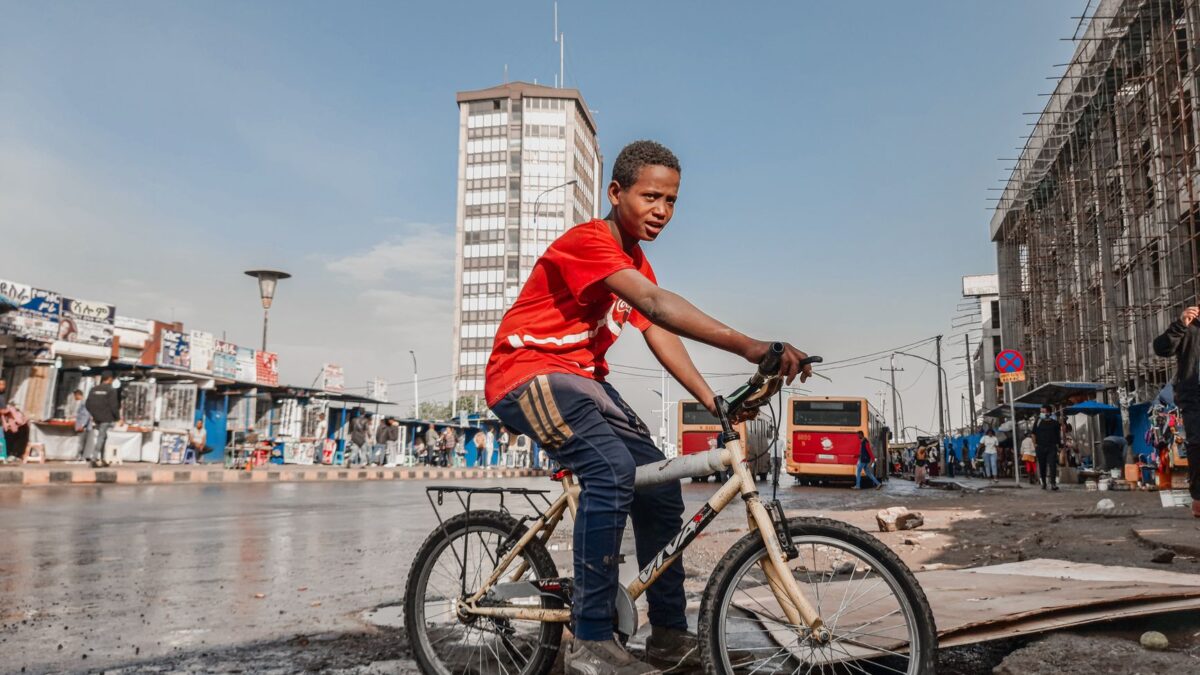
As of November 11, 2026, Addis Ababa is caught in a rare atmospheric pause. The long rains have finally broken, leaving the city in that crisp, dusty dry season window where the air turns sharp and the sky opens up. But right now, as you step out onto the streets, the weather is fighting back. We are seeing heavy showers and cold nights, with temperatures hovering between 10°C and 23°C. If you are packing for this month, leave the tropical light fabrics behind; you will need layers for the biting morning chill and waterproof gear for the afternoon downpours that can dump 4mm of rain in just six hours. It is a beautiful, transitional time, but it demands respect.
The City Is Full: Major Events You Need to Navigate
November in Addis is not quiet. The calendar is packed with high-profile international events, which means the city center is buzzing, hotels are full, and traffic patterns are shifting. For the next few weeks, you will be navigating around several major gatherings that are defining the local atmosphere.
Starting mid-month, the Addis International Convention Center becomes the epicenter of commerce. Africa Sourcing and Fashion Week (ASFW) kicks off on November 12, bringing over 200 textile and apparel exhibitors. This fills nearby hotels and creates congestion in the corridors around the convention center through the 15th. If your business or itinerary takes you near Roosevelt Street later in the week, prepare for more movement. The 9th Pan-African Youth Forum (AYC@20) takes over the African Union Headquarters multipurpose hall from November 16–19. Expect heightened security checks and significant traffic congestion around the AU grounds as ministers and youth councils arrive. Media accreditation for these events closed yesterday, so if you are traveling for press, you are already too late, but general attendance may still be possible depending on the session.
The second half of the month brings even heavier foot traffic. CPHIA 2026, the Africa CDC public-health conference, moves into the convention center and surrounding hotels from November 23–27, with pre-events starting on the 22nd. This brings tens of thousands of delegates and a side-dialogue between health ministers and WHO candidates. Finally, the Great Ethiopian Run approaches on November 22. This is not just a race; it is a city-wide celebration involving 50,000+ runners starting from Meskel Square. Roads downtown will be closed on race morning, and bib collection happens at the Hyatt Regency from November 19–21. Plan your routes accordingly, because when 50,000 people run through the capital, the streets belong to them.
A Note on Press and Public Sentiment
Travelers should be aware of the current media landscape here. There is a palpable sense of discussion on the streets regarding press freedom. As of early November, independent newspaper The Reporter was suspended indefinitely by the Ethiopia Media Authority. Both its English and Amharic editions have vanished from kiosks, and its website is offline. While this does not directly impact tourist safety, it reflects a tightening environment for public discourse. Locals are arguing about this in cafes and transit hubs. It is a reminder that while tourism is open and welcoming, the political and media space is sensitive. Keep conversations respectful, avoid probing into restricted political topics, and be mindful that digital access and information flow can change rapidly.
Eating, Drinking, and Budgeting in November
Addis remains incredibly affordable for food and transport, though rent and broader living costs have climbed. With inflation reported around 13.2% and specific food items like meat up nearly 23%, prices are moving, but your travel budget will still stretch far compared to global standards.
For your daily meals, stick to the local injera houses. A simple meal of shiro wat (chickpea stew) with injera runs about Br 70–100 (roughly $1.6), while a beyaynetu vegan platter is around Br 120 ($2.2). If you want to try kategna (toasted injera with berbere and butter), expect to pay Br 40–60. These are the staples that fuel the city. For a sit-down meal with table service at a mid-range restaurant, budget Br 200–500 ($6). Real venues like Totot Traditional Food Hall in Gerji or Kategna Restaurant in Bole Medhanyalme offer authentic experiences without the tourist markup.
Coffee culture is non-negotiable. Whether you grab a cup at a traditional stall for Br 15–30 or sit down at YeGesha Specialty Cafe & Roastery or Solina Coffee at Tewodros Square for Br 40–80, it is a small price for the experience. Local beer, like a draft pint, is about Br 158 ($2.9). Milk, however, has become expensive at roughly Br 200 per liter ($4), reflecting the broader inflation trends.
Transport is cheap and efficient if you know how to use it. The Light Rail Transit (LRT) costs Br 10–20 for a single trip across the city. Blue minibuses (the iconic shared taxis) charge Br 5–15 depending on distance. For short ride-hailing trips, expect to pay Br 80–250 ($3). Avoid renting a car unless necessary; traffic during these event-heavy weeks can be frustrating, and drivers are often aggressive. Stick to the LRT or registered rides.
Practical Tips for Your Arrival
If you are arriving this month, here is what you need to know right now. First, check your accommodation booking carefully. With ASFW, the Youth Forum, and CPHIA happening simultaneously, hotel availability in central areas is tight. Rates may be higher than usual, so book early. Second, plan your movements around the Great Ethiopian Run on November 22. If you are staying downtown, consider walking or using the LRT rather than driving, as road closures will be extensive and last throughout the day.
Finally, keep cash handy. While cards are accepted in larger hotels and restaurants like Cravings Restaurant & Bar or Golden Plate Restaurant, many smaller eateries and street vendors operate on cash only. Carry birr in small denominations. Exchange rates are fluctuating; while older sources might quote ~57 ETB per USD, the current rate is nearer 160 ETB/USD. Be cautious of unofficial exchange offers and stick to banks like the Commercial Bank of Ethiopia at Meskel Square or Hijra Bank.
The city is vibrant, hungry, and engaged. Embrace the cold mornings, enjoy the hot coffee, and navigate the crowds with patience. Addis in November is a feast for the senses, provided you come prepared for the weather and the schedule.
Frequently asked questions
What is the weather like in Addis Ababa in November 2026?
The long rains are ending, but you can expect cold nights (10°C) and heavy afternoon showers. Pack layers and waterproof gear for the 10–23°C range.
Are there major events causing traffic closures in Addis this month?
Yes. The Great Ethiopian Run closes downtown roads on Nov 22, and the Pan-African Youth Forum (Nov 16-19) causes congestion around the African Union headquarters.
How much does a typical meal cost in Addis Ababa now?
Local injera meals are very cheap, around Br 70–100 ($1.6-$2). Mid-range restaurants cost Br 200–500 ($6). Beer is about Br 158 ($2.9).
Is it safe to travel to Ethiopia in November 2026?
Tourism is active, but note that press freedom is currently tense with The Reporter suspended. Stay respectful in public discussions and monitor local news.
What is the best way to get around Addis Ababa during events?
Use the Light Rail Transit (Br 10-20) or blue minibuses (Br 5-15). Ride-hailing apps work well for short trips (Br 80-250). Avoid driving due to event-related congestion.
Things to do in Ethiopia
 Omo Valley Tours from Jinka
 Addis Ababa- Guided city tour with museum and market
 Addis Ababa City Tours Full Day With Hotel Pickup And Drop Off.
 Addis Ababa: Customizable Food, Markets, Coffee & Culture Tour
 Discover Addis Ababa:Museums,Churche,Markets,Landmarks & Coffee
 3-Day Arba Minch & Konso: Culture, Wildlife & Local Tour