

Portugal in November 2026: what travelers should know now
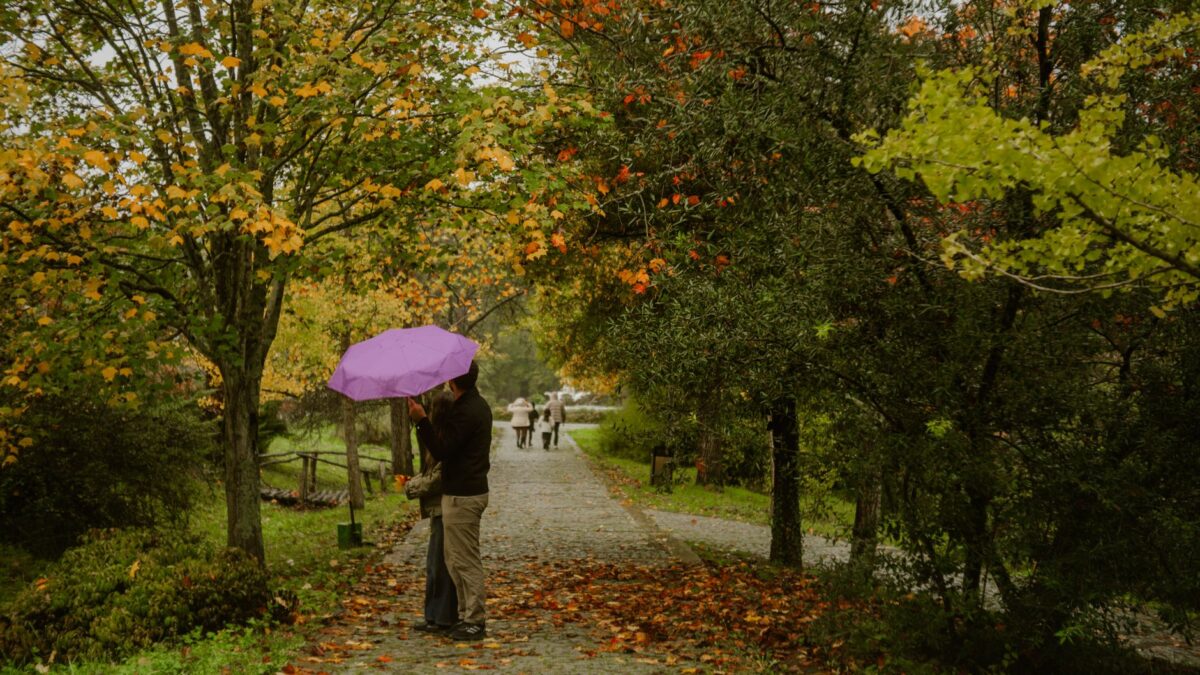
It is mid-November in Lisbon, and the city has finally tipped into its true autumn. The air feels heavier, carrying the salt of the Atlantic and the damp chill that sends everyone scurrying into tascas for hearty stews and new wine. Roasted-chestnut carts have appeared on the street corners, and the first proper storms are testing the cobblestones. If you are arriving this month, you will find a Lisbon that is moody, atmospheric, and currently caught between two massive worlds: the global tech frenzy of Web Summit and the local reality of housing protests and storm alerts.
The Weather and What to Pack
As of today, Tuesday, November 12, 2026, the forecast shows temperatures hovering between 17°C and 20°C, but do not let those numbers fool you. There are rain showers expected, with about 1mm of rain recorded over the last four hours. This is the start of the wet season. By now, Christmas lights are going up over the Baixa, but until then, it is just grey skies and slick streets.
You need waterproof boots. Lisbon’s famous calçada portuguesa pavement becomes genuinely slippery when wet, and grip matters more than crime stats right now. A compact umbrella is essential because the storms can arrive suddenly. Pack layers; the wind off the Tagus cuts through light fabrics. You will spend more time indoors than usual, so bring a good book or download podcasts for the long tram rides where you might be stuck due to weather delays.
Current Events: Storms, Summits, and Protests
This is an unusual week to visit. A depression named ‘Charles’ has put the whole country under a civil-protection alert. Schools and non-essential public services are shut, hundreds of flights at Lisbon Airport (LIS) have been cancelled, and parks are closed. The Web Summit, which typically takes over FIL/Parque das Nações with ~70,000 attendees, has already cancelled its Wednesday programme due to the weather. However, the event itself runs from November 9 to 12, meaning the city is still clogged by tech crowds in the Oriente area.
Simultaneously, the ‘Acampada de Lisboa’ housing movement has resumed its ‘Camp Summit’ counter-programme outside the Web Summit venue. After their tent camp was cleared from Rossio, they are rallying on Alameda dos Oceanos opposite Vasco da Gama at 17:30, with debates at Estação do Oriente at 19:00. If you are near Parque das Nações, expect traffic jams and metro Red Line congestion. The Night Summit parties are spilling into Time Out Market, Cais do Sodré, and Príncipe Real, creating loud, crowded evenings despite the gloomy weather.
A national demonstration by housing-rights groups is scheduled for Friday, November 14, continuing waves that began in Porto. While these are generally peaceful, they add to the political temperature of the city. As a traveller, stay aware of your surroundings, avoid blocking protest routes, and check flight statuses daily if you have travel plans beyond Lisbon.
Festivals and Cultural Life
Despite the chaos, culture persists. LEFFEST (Lisboa Film Festival) is running screenings and talks across Cinema São Jorge, Tivoli BBVA, and Sintra venues until November 15. It brings film-premiere crowds and ticketed evening events, offering a sophisticated escape from the rain. For theatre lovers, the Alkantara festival opens with ‘Menos’ by Cão Solteiro at D. Maria II on November 13. This marks the reopening of the Sala Garrett after refurbishment, followed by 17 theatre, dance, and performance pieces through Culturgest, CAM, and CCB until late November.
If you want to experience the traditional side, head to Mercado da Ribeira / Time Out Market in Cais do Sodré. With roughly 40 of the city’s better chefs running stalls, it is a warm, indoor food court worth visiting. Expect to spend around €12–€20 per person. Alternatively, catch a bica (espresso) at Quase Café or The Folks Blue Street for about €1.00, often under that price, and watch the rain fall.
Practical Tips for Right Now
Transport: The card you need is the Viva Viagem. Buy one at any metro machine for €0.50 and load it with ‘zapping’ credit for about €1.85 per ride. If you are staying longer, consider the Navegante Metropolitano pass at €40/month for the whole metro area, though calendar-month passes run from the 1st, so you might save money using zapping until next month. Note that trams cost about €3.20 if you pay the driver directly, so use the metro or bus where possible to save cash.
Budgeting: Everyday costs remain cheap by Western European standards. A lunch at an inexpensive local place — the prato do dia set lunch — costs about €9–€12. Dinner at a mid-range restaurant runs €20–€30 per person. Rent has become the outlier; a modest 1-bedroom flat in central Lisbon now costs about €1,370/month, absorbing nearly all of the average local net salary. For travellers, mid-range hotel or guesthouse double rooms ask around €110–€160 per night, with a city-wide median asking price of €101.
Safety: Lisbon is low-violence, but opportunistic theft is high. Tram 28E and the crowds around Praça do Comércio and Rossio are hotspots. Keep bags in front and phones out of back pockets. Bairro Alto and Pink Street are loud rather than dangerous Thursday–Sunday. The northern edges of Mouraria around Rua do Benformoso feel unsettled late at night due to open drug dealing; avoid wandering there after dark.
Visas and Admin: Portugal is Schengen. Most Western visitors get 90 days in any 180 without a visa. Biometric EES registration (fingerprints + face) applies at borders since October 12, 2025. ETIAS is not yet in force. Non-EU movers need a consular residence visa first—D7 for passive income (~€920/month minimum wage plus savings) or D8 digital nomad (~€3,680/month). You must convert this to a residence permit at AIMA after arrival.
Holidays Coming Up
In 19 days, on December 1, Portugal celebrates Restoration of Independence (Restauração da Independência). This is a national holiday. Banks, government offices, and many shops will be closed. Transport runs on a reduced schedule. If you plan to rent cars or access administrative services like AIMA or Finanças, do it before December 1. The festive mood will begin shifting toward Christmas preparations immediately after this holiday.
Frequently asked questions
Is it safe to travel to Lisbon in November 2026 given the storm alerts?
Yes, but expect disruptions. Storm 'Charles' has caused flight cancellations and park closures. Check your flight status daily and carry waterproof gear, as roads and pavements can be hazardous.
How much does a meal cost in Lisbon right now?
A set lunch (prato do dia) at a local tasca is about €9–€12. A mid-range dinner is €20–€30 per person. Coffee is cheap, around €1.00.
What is happening with Web Summit and housing protests this week?
Web Summit ends Nov 12, causing traffic in Parque das Nações. Housing activists are holding counter-rallies nearby. Expect crowded metros and potential transport delays in the Oriente area.
Do I need a visa to enter Portugal in November 2026?
Most Western tourists do not need a visa for stays under 90 days in 180. However, biometric EES registration (fingerprints/face) is mandatory at border control.
When is the next major national holiday?
December 1 is Restoration of Independence. Banks and government offices close. Plan administrative tasks like visa renewals or bank visits before this date.
Things to do in Portugal
 Discover the hills and historic neighborhoods of Lisbon in tuk tuk
 Sintra Private Tour with All Tickets Included
 Special offer
PRIVATE Unforgettable Full Day Tour to Sintra from Lisbon
 Private Terceira Island Full Day Tour
 Porto Private Douro River Yacht Cruise with Local Wine and Snacks
 Private Rafting Experience in Melgaço