

Colombia in November 2026: what travelers should know now
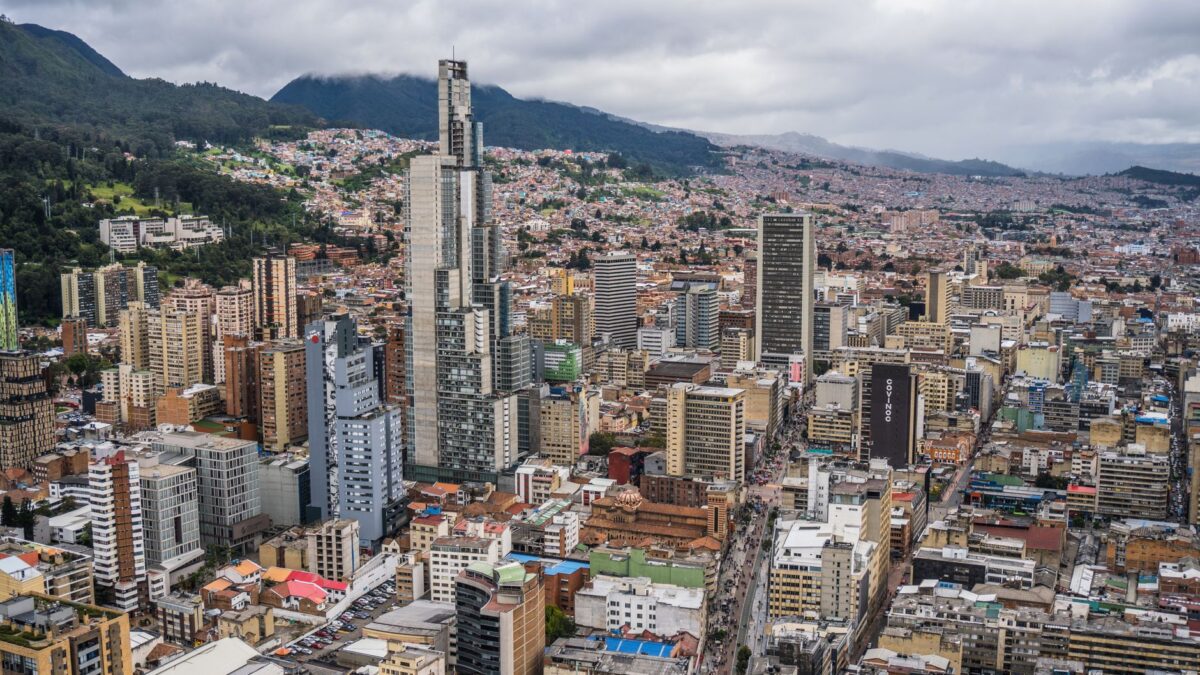
There is a specific, quiet magic to Bogotá in mid-November. The air has that familiar crisp chill clinging to the Andean savannah—12°C mornings that bite until the sun clears the Cerros Orientales around noon, giving way to 19°C afternoons softened by light drizzle. As I walk through La Candelaria this week, the colonial cobblestones are slick with rain, and you can already feel the city shifting gears. The Christmas decorations are going up in the centre and malls, year-end fairs are crowding the calendar, and there’s a palpable sense of anticipation in the streets. It’s not just the end of the rainy season; it’s the beginning of the holiday rush.
If you are landing here now, or planning for the next few weeks, this is your real-time briefing. This isn’t an evergreen guide from five years ago; this is what is happening on the ground as of today, November 13, 2026. From festival schedules to transit snags and safety nuances, here is what you need to know to navigate Colombia’s capital right now.
Weather, Packing, and the Seasonal Shift
Bogotá’s weather in November is a study in contrasts. You will likely experience temperatures between 12°C and 19°C, often under a sky that hovers with light drizzle. The humidity is high, so layering is not just a suggestion—it is survival. Pack a waterproof jacket, sturdy shoes for wet cobblestones, and layers you can shed as the day warms up near Plaza de Bolívar.
Seasonally, we are tipping into the pre-Christmas period. By mid-November, the city visibly starts preparing for the holidays. You will see lights being strung across main avenues and shops decorating their windows. This means slightly higher foot traffic in tourist hubs like Usaquén and Zona T, but it also brings a festive energy that makes dining out particularly pleasant. However, be aware that late November marks the run-up to the 25 November women’s-day marches. While these are generally peaceful and focused on social issues, they can impact transportation and public gatherings in the city centre. Stay informed locally if your plans coincide with those dates.
Festivals, Events, and Cultural Highlights
November is a vibrant month for culture in Bogotá, and several major events are unfolding right now. If you are interested in art and history, do not miss the VII Noche de Museos de Bogotá, which kicked off on November 10. For about a week, over 80 museums across 14 localities open their doors for free during extended night hours, offering tours, talks, and virtual programming. It is a fantastic opportunity to explore places like the Museo del Oro or the Botero Museum without the usual crowds and fees.
For dance enthusiasts, the Festival Danza en la Ciudad (19th edition) runs from November 6 to November 16. With more than 29 shows, workshops, and videodance performances spread across theatres, parks, streets, and universities—including the Teatro Jorge Eliécer Gaitán and Universidad Javeriana—this festival brings movement to unexpected corners of the city. Check the schedule for street performances that might pop up near your hotel.
Also on the cultural horizon is the Independencia de Cartagena holiday on November 16. While this celebrates the independence of the coastal city of Cartagena, it is a national holiday. Expect some closures in government offices and potentially quieter days in business districts, though restaurants and cultural sites will remain open and busy with locals celebrating.
Transport Updates and Traffic Realities
Navigating Bogotá requires current knowledge, as infrastructure changes happen frequently. Right now, there are notable disruptions to watch for. TransMilenio’s Virrey–CENDIATRA station is closed in the north-south direction only. Routes including F26, G11, C50, D55, H27, and J74 are skipping this stop. Additionally, nightly closures are in effect at the Av. 39 station (10 pm to 4:30 am, until November 12) and Flores station (until November 24) due to Metro Line 1 construction works. Plan your routes accordingly and allow extra time for commutes.
Remember that cash is no longer accepted on buses or TransMilenio. You must use a TuLlave card. The basic card costs around COP 8,000 and can be recharged at Éxito or Jumbo supermarkets, Cruz Verde pharmacies, and corner shops. The fare is approximately COP 3,450 per ride, with free transfers within 90–110 minutes. For frequent travelers, the monthly TransMiPass offers 65 rides for about COP 160,000, which is a significant saving.
If you are heading out for entertainment, be aware of heavy traffic and scarce taxis in certain corridors. Major arena shows, such as Calvin Harris at Coliseo MedPlus and Omar Courtz at Corazón de Bogotá Arena, are drawing large crowds. If your plans involve these venues, consider using the metro or TransMilenio instead of relying on taxis, which may have long wait times and surge pricing.
Safety, Neighborhoods, and Practical Tips
Safety remains a top priority for any traveler. In Bogotá, the safest areas are typically Zona T/Parque 93, Chapinero (including Zona G and Zona T), and Usaquén. These neighborhoods have good lighting, active street life, and a visible police presence. Conversely, locals advise avoiding La Perseverancia and Las Cruces, as well as the area south of La Candelaria at night. Always keep your phone and jewelry out of sight, wear your backpack in front, and use well-lit stations and front carriages after dark.
Recently, there have been heightened security measures around media outlets in the city following threats against news organizations. While this primarily affects journalists, it underscores the importance of staying alert and following local news updates. Avoid large, unscheduled protests or gatherings, as these can turn unpredictable.
For dining, Bogotá offers incredible value. A typical “corrientazo” set lunch (menu del día) at a local eatery costs between COP 12,000 and 17,000 (about $4 USD). A meal at a mid-range restaurant averages around COP 35,000 ($9 USD). If you want to try traditional dishes like bandeja paisa or sancocho, expect to pay roughly COP 18,900 ($5 USD). Food markets, such as Plaza de Mercado Las Ferias, offer authentic local flavors at budget-friendly prices.
Visa-free entry applies to US, UK, EU, Canadian, Australian, and most Latin American passport holders for up to 90 days. Ensure your passport is valid for six months beyond your departure date, and remember to file the free online Check-Mig form both before arrival and before departure via the official Migración Colombia website. Beware of copycat sites that charge fees.
Costs and Budgeting in November
Bogotá is mid-cost compared to other regional capitals but remains Colombia’s priciest city. Rent is the biggest expense for long-term stays, with modest one-bedroom flats outside the center costing around COP 1,500,000–1,600,000 ($380 USD) per month. However, daily expenses like food and transit remain affordable. Inflation is hovering around 5.1%, and while prices are climbing, you can still enjoy the city on a reasonable budget.
As you plan your trip, keep in mind that November is not peak tourist season like December or January, so you may find better deals on accommodations. However, the influx of locals traveling for holidays and festivals can drive up prices in popular areas. Book restaurants and attractions in advance if possible, especially during the museum nights and festival weekends.
Finally, stay connected. Colombia’s main carriers—Claro, Movistar, and Tigo—sell prepaid SIM cards with tourist data plans at El Dorado Airport Terminal 1. Bring your passport, as registration is required. Digital wallets like Nequi and Daviplata are widely used for small transactions, so consider setting them up if you plan to buy from street vendors or smaller cafes.
Frequently asked questions
What are the current TransMilenio station closures in Bogotá?
Virrey–CENDIATRA is closed in the north-south direction. Av. 39 has nightly closures until Nov 12, and Flores station is closed until Nov 24 due to Metro Line 1 works.
Are there any major festivals happening in Bogotá this month?
Yes, the VII Noche de Museos (free museum nights) and Festival Danza en la Ciudad (dance festival) are running through mid-November, featuring over 80 museums and 29+ shows.
How much does a typical lunch cost in Bogotá?
A 'corrientazo' set lunch costs about COP 12,000–17,000 ($4 USD), while a mid-range restaurant meal is around COP 35,000 ($9 USD).
Is it safe to visit La Candelaria at night?
Locals advise caution. La Candelaria is lively by day but safer areas include Zona T, Chapinero, and Usaquén. Avoid the area south of La Candelaria at night.
Do I need a visa to enter Colombia for tourism in 2026?
US, UK, EU, Canadian, Australian, and most Latin American passport holders enter visa-free for up to 90 days. You must complete the free Check-Mig form online.


