

A first-timer’s guide to Thailand
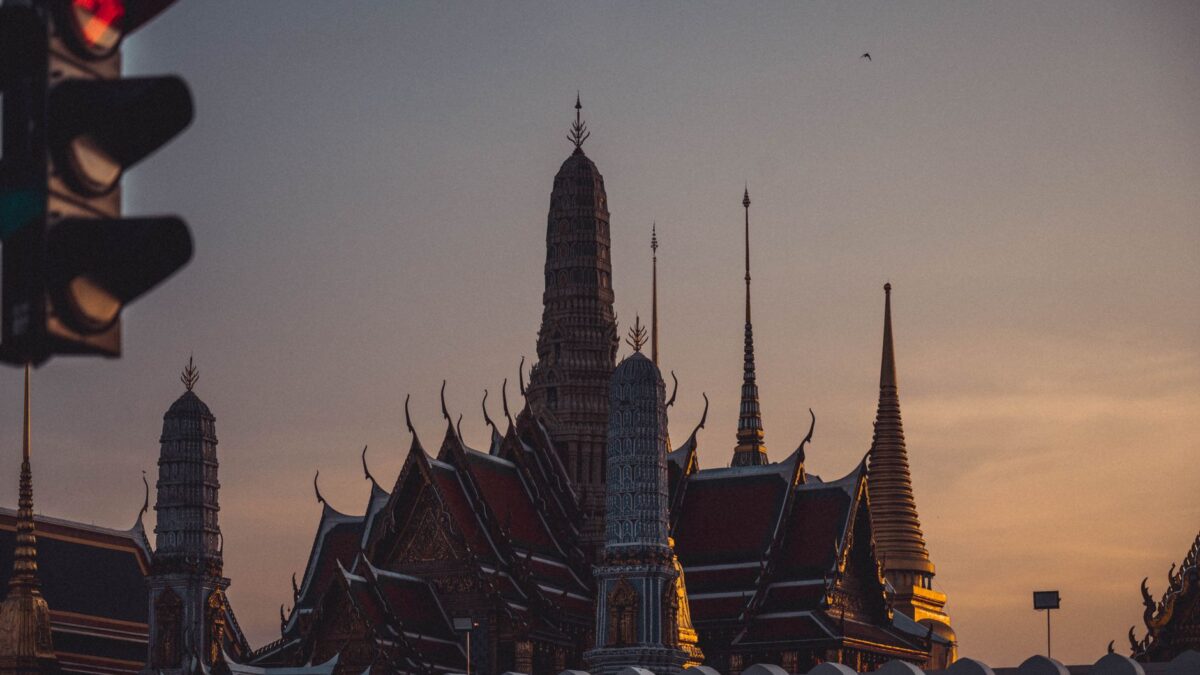
The humidity hits you first, a warm, wet blanket that smells of frangipani and exhaust. It is mid-November in Bangkok, and the air feels thick with anticipation. Outside my window, a light drizzle has just stopped, leaving the streets glistening under the glow of neon signs. The temperature is sitting at a comfortable 26°C, though the heat index suggests it feels closer to 39°C. This is the threshold moment: the rains are tapering off into Bangkok’s short cool, dry window, and the high season is cranking up. For a first-timer, this specific time of year offers the perfect balance—pleasant evenings by the river without the peak summer downpours, yet before the heavy tourist crush of December fully sets in.
When to Go and How Long to Stay
Thailand’s weather is defined by three seasons: cool (November–February), hot (March–May), and rainy (June–October). If you want clear skies for island hopping, aim for the cool season. However, if your heart is set on the cultural capital, Bangkok is manageable year-round. Just be aware that from November through February, PM2.5 haze can build up, peaking in December. Carry N95 masks and check air-quality apps daily; it is part of the local rhythm now.
For duration, I always tell first-timers: do not rush. Two weeks is the sweet spot. You need four or five days for Bangkok alone to digest its scale, three to four days for Chiang Mai if you like mountains and culture, and the remainder for the islands or the north. Trying to cram everything into ten days leaves you exhausted rather than enlightened. Take your time. Let the mornings unfold slowly over coffee.
Navigating the Concrete Jungle
Bangkok’s traffic is legendary, averaging around 11 km/h during peak hours. Do not rely on taxis for long distances during rush hour unless you enjoy frustration. Instead, master the BTS Skytrain and MRT subway. They are clean, air-conditioned, and efficient. A single BTS trip costs roughly ฿17–45 depending on distance, with interchange journeys capped at ฿65. If you plan to ride daily, look into the BTS ‘Xtreme Savings’ package, which offers 35 trips for 30 days at about ฿1,190—roughly ฿34 per trip.
For shorter hops, hail a taxi and insist on the meter. The flagfall is ฿35, adding roughly ฿6.5–7 per kilometer. A short ride should cost between ฿50–70. If you prefer app-based convenience, Grab and Bolt are reliable alternatives. Be wary of tuk-tuks for transport; they are great for photos but expensive and inefficient for getting around. Also, note that the government’s flat-fare policies are currently in flux, so keep an eye on local news regarding MRT Purple and SRT Red line fares, as the daily cap may lapse soon.
Money Matters and Daily Costs
The currency is the Thai baht (THB). As of late 2024, the rate hovers around 35.294 baht per US dollar, though this fluctuates. Thailand remains remarkably affordable for food, though rents in prime districts have climbed 8–12% annually. Here is what you can expect to spend:
- Street Food: A plate of pad kra pao moo with a fried egg, the quintessential Bangkok lunch, costs about ฿50–70 (≈ $1.7). A full meal at an inexpensive local stall rarely exceeds ฿100.
- Café Culture: A cappuccino at a regular café runs about ฿90 (≈ $2.6), while street-side Thai coffee shops offer similar drinks for ฿45–65.
- Attractions: Entry to the Grand Palace and Wat Phra Kaew is ฿500 (≈ $14) for foreigners. Tickets usually stop being sold around 15:30, so go early. Wat Pho, home to the magnificent Reclining Buddha, is roughly ฿300.
- Dining Out: A mid-range restaurant meal, such as a three-course dinner for two without drinks, averages ฿1,200 (≈ $35).
- Accommodation: A night in a mid-range hotel or guesthouse in tourist areas typically costs ฿1,000–1,800 (≈ $40). For longer stays, a modest one-bedroom condo near the BTS/MRT in the city centre rents for around ฿22,700 per month.
Pay with cash where possible, especially at street stalls. However, digital payments via PromptPay QR codes are ubiquitous, even among small vendors. If you open a bank account, Kasikornbank (KBank) and Bangkok Bank are the most foreigner-friendly, though you will likely need a visa, work permit, or TM30 residence receipt to proceed.
Essentials First-Timers Wish They Knew
Visas and Paperwork: As of September 2026, Thailand reduced its standard visa exemption from 60 to 30 days for citizens of 60 countries, including the US, UK, Canada, and Australia. You must file the free Thailand Digital Arrival Card (TDAC) online within 72 hours of arrival. If you stay longer, you can extend your visa once for 30 days at an immigration office for 1,900 THB. Crucially, ensure your landlord or hotel files your TM30 residence notification within 24 hours of your move-in. Without this receipt, extending your visa or opening a bank account becomes nearly impossible.
Safety and Scams: Violent crime is rare. The real risks are scams and environmental factors. Ignore anyone near the Grand Palace claiming it is “closed today” and offering a tuk-tuk tour to gem shops; it is a classic distraction. Always wear shoes that cover shoulders and knees when visiting temples. The Grand Palace enforces a strict dress code, and tickets stop at 15:30. Also, watch your bags in nightlife districts like Nana or Patpong after dark.
Connectivity: Buy a SIM card at Suvarnabhumi or Don Mueang airports upon arrival. AIS and TrueMove H offer the best coverage. Registration takes minutes, and eSIMs are widely available if your phone supports it. Tourist packages with generous data run for 8, 15, or 30 days.
Navigating Districts: Choose your base wisely. Sukhumvit (Asok–Nana–Phrom Phong) is the expat corridor with endless dining and the best transport links. Silom/Sathorn is the financial district, quieter on weekends but vibrant with rooftop bars. Ari is a leafy, hipster alternative with independent cafés and markets. For history, stay in Rattanakosin (Old City) near Wat Pho, but remember rail access is weak there. Chinatown (Yaowarat) is the street-food engine, coming alive at night with charcoal grills and seafood stalls.
Festivals and Local Life
If your visit coincides with late November, you are in for a treat. The Loy Krathong festival, celebrating the water spirits, features earthen krathong stalls and canal-side crowds. In 2026, the main full-moon night falls on November 24, with events at Wat Saket (Golden Mount) and Rama VIII Bridge. Expect road congestion and crowded riversides. Simultaneously, Diwali celebrations in Phahurat (Bangkok’s Little India) feature canal-side decorations and diya-lighting ceremonies. For art lovers, Galleries’ Nights Bangkok opens over 100 galleries across Ari and Sukhumvit on free evening openings, with electric tuk-tuks shuttling visitors between venues.
Thailand is a land of contrasts, where ancient temples stand beside glass skyscrapers, and street food stalls serve Michelin-level flavors. Embrace the chaos, respect the culture, and let the pace of life slow you down. You will leave with a fuller stomach, a deeper understanding, and perhaps a longing to return.
Frequently asked questions
How much does a meal cost in Thailand?
Street food is very affordable, with a typical plate like pad kra pao costing around ฿50–70 ($1.7). A mid-range restaurant dinner for two might average ฿1,200 ($35).
What is the current visa exemption period for US citizens?
As of September 2026, the standard visa exemption for US citizens is 30 days. You can extend this once for 30 days at an immigration office for 1,900 THB.
How do I get around Bangkok efficiently?
Use the BTS Skytrain and MRT subway to avoid traffic. A single BTS trip costs ฿17–45. Taxis should always use the meter, with a flagfall of ฿35.
Do I need to register my address when staying in a hotel?
Yes. Your hotel or landlord must file a TM30 residence notification within 24 hours of your arrival. Keep the receipt, as it is required for visa extensions and banking.
What is the best time to visit Bangkok?
The cool, dry season from November to February is most pleasant, though PM2.5 haze can occur. Avoid May for extreme heat, and be prepared for rain from June to October.
Things to do in Thailand
 Riverside Thai Cooking Class in Khao Lak with Market Tour
 Special offer
Private James Bond Island Speedboat Adventure Tour w/ Canoeing
 Chiang Mai Jungle Coffee Experience: Farm Trek, Roast & Brew.
 Private Floating market and Railway Market Ayutthaya Historical
 Half-Day Thai Cooking Class with organic ingredients
 11 Day Tuk Tuk Adventure in Northern Thailand