

What to eat in Albania — and what it costs
There is a specific smell to Tirana in mid-November. It’s the scent of wet asphalt mixing with roasting chestnuts and the sharp, earthy tang of new olive oil being pressed in the hills above Dajti National Park. The air is crisp, hovering around 15°C, and if you’re standing near Skanderbeg Square right now, you’ll feel the first chill of the thunderstorm rolling in from the Adriatic. This is not the beach season; this is the soul season. And there is no better way to warm up than by eating your way through the city’s most honest kitchens.
Albania is still one of Europe’s best-kept secrets for food lovers who want flavor without the price tag. You can eat like royalty here for less than it costs for a sandwich in London or Paris. But don’t just wander into the first place that looks nice. In Tirana, the real magic happens in the *lokalë*—the local taverns—and the quiet corners of the New Bazaar. Here is what you need to seek out, where to find it, and exactly how much it will set you back today.
The Street Food That Defines the Morning
You cannot start your day in Albania without understanding *byrek*. If you walk past any bakery (*bukuri*) between 7:00 a.m. and 9:00 a.m., you will see trays of golden, flaky pastry stacked high. This is filo dough filled with spinach, cheese (*djathë*), meat, or pumpkin. It is cheap, portable, and deeply satisfying. A single slice from a trusted bakery in the Pazari i Ri (New Bazaar) district will cost you about 100–150 lek (roughly $1.3). Grab a coffee to wash it down.
Speaking of coffee, Albanians take their espresso seriously. It’s thick, strong, and served in tiny cups. Whether you are in the leafy streets of Komuna e Parisit or the trendy Blloku district, expect to pay between 150 and 185 lek ($1.8) for a cappuccino. Places like The Back Room – Specialty Coffee or Frut’za | Komuna offer a modern twist on the traditional brew, perfect for watching the city wake up before the rain gets heavy.
Lunch: The Art of the ‘Lokal’
For lunch, skip the tourist traps near the Pyramid of Tirana and head to the Pazari i Ri area or the narrow streets of Blloku. Look for places packed with locals speaking loud Albanian. This is where the energy is. You are looking for *tavë kosi* (baked lamb with yogurt) or *qofte* (meatballs) grilled over charcoal.
A meal at an inexpensive local restaurant (*lokale*) typically runs between 800 and 1,000 lek (about $10). This gets you a main course, a side of bread, and often a small salad. If you want to try something truly traditional, look for restaurants like Oliveta Restaurant or Jarna Traditional Restaurant. They serve dishes that have been cooked in these regions for centuries, using ingredients harvested just days ago. The hospitality here is genuine; you won’t be rushed out. You’ll stay because the owner wants to talk to you.
If you prefer a quieter, more residential vibe, venture into Komuna e Parisit. It’s where many families live, and the eateries here reflect that. You’ll find cozy spots serving homemade soups and stews that cost even less than the city center prices. For a quick bite, a loaf of white bread costs about 93 lek and a liter of milk roughly 180 lek. You could build a surprisingly decent picnic for under 300 lek ($1.5).
Dinner: Sit-Down Soul Food
When evening falls and the temperature drops, you want warmth. A sit-down dinner for two at a mid-range restaurant, featuring three courses but no drinks, will average around 4,500 lek (approximately $50). While this might sound steep compared to street food, it is incredibly reasonable for a full, multi-course experience in Europe. You are getting wine, appetizers, a substantial main, and dessert.
For a memorable evening, consider Makamona Restaurant or ODAS Garden. These establishments bridge the gap between casual comfort and refined dining. The menu changes with the seasons, so in November, you will likely find wild mushrooms, root vegetables, and game meats featured prominently. The wines are also worth noting; local vineyards in the south produce excellent reds that pair beautifully with the rich, slow-cooked lamb dishes.
If you want to embrace the festive spirit building ahead of Independence Day on November 30th, look for places playing traditional iso-polyphony music. It’s a UNESCO-listed singing style that echoes through the valleys of northern Albania, and hearing it live in a Tirana tavern is a spiritual experience. Restaurants like SAVORY TRADITIONAL RESTAURANT often host these cultural evenings, offering a deeper dive into Albanian heritage alongside your meal.
Drinks and Nightlife Costs
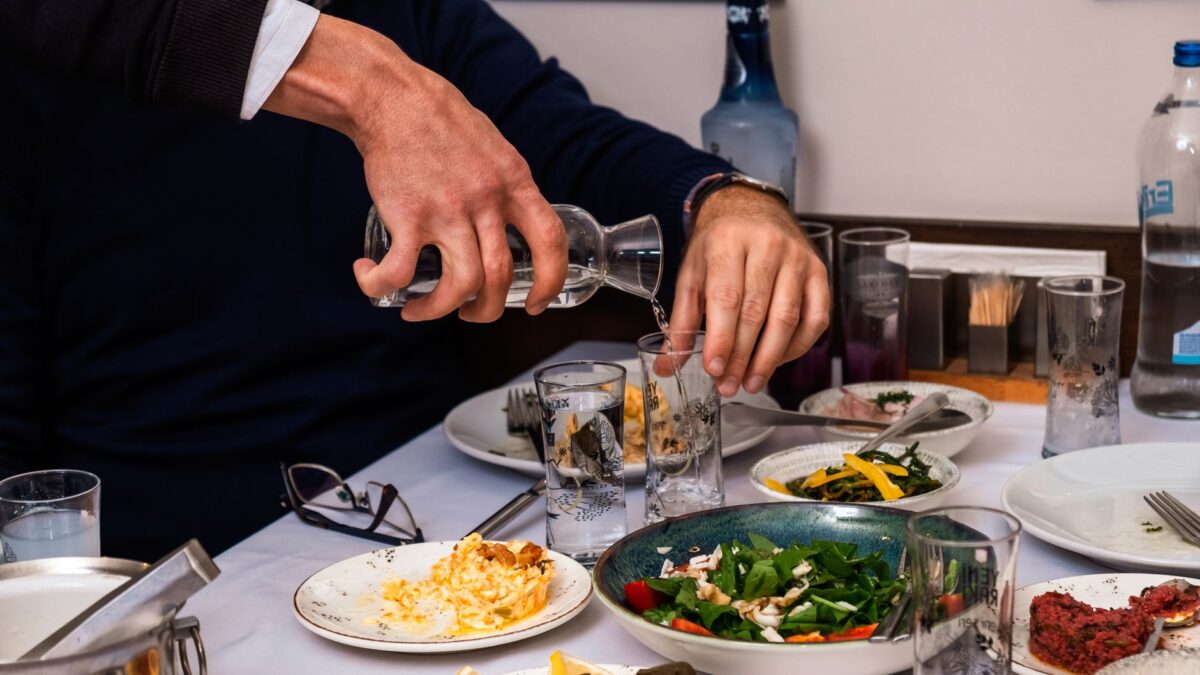
No meal in Albania is complete without a drink. The national spirit is *raki*, a clear grape-based liquor that is often homemade during the autumn harvest. In late November, you will see bottles of new raki appearing in markets and taverns. It is potent, smooth, and usually served as an aperitif or digestif. A bottle at a local bar might cost between 500 and 800 lek, depending on quality. For something lighter, a local beer on tap (0.5 liters) costs about 290 lek ($3). You can buy a bottle in a shop for roughly 130 lek.
The nightlife hub is undoubtedly Blloku. Once a walled-off zone for the communist elite, it is now a dense cluster of bars and clubs around Rruga Pjetër Bogdani. Prices here are slightly higher than in the rest of the city, but still affordable by Western standards. Cocktails range from 400 to 600 lek. However, be mindful of your surroundings. While crime is low, petty theft can occur in crowded areas after midnight. Use official taxis or apps like Bolt rather than flagging unmarked cars on the street.
Practical Tips for the Foodie Traveler
As you navigate Tirana’s culinary scene, keep a few practicalities in mind. Cash is king. While card acceptance is growing, especially in Blloku and upscale restaurants, many smaller *lokalë* and bakeries only accept cash in Lek. Withdraw money from ATMs associated with major banks like Raiffeisen, Credins, or BKT.
Transportation is easy and cheap. A single bus ride within the city costs 40 lek, paid in cash to the driver. If you plan to move around frequently, a monthly pass is available for about 1,600 lek. For shorter trips, especially when carrying groceries or returning from dinner late, a taxi via Bolt is efficient. An 8-kilometer trip in town might cost around 2,080 lek ($22), which is fair given the traffic conditions.
Finally, remember that Albanians value connection. Dining is not just about sustenance; it’s about conversation. Don’t be surprised if the waiter asks about your journey or invites you to join a toast. Accepting these gestures is part of the experience. Whether you are eating a 100-lek byrek on a rainy morning or sharing a bottle of raki with new friends in a Blloku courtyard, you are participating in a culture that opens its heart—and its kitchen—to those who show respect.
Frequently asked questions
How much does a typical meal cost in Tirana?
A meal at an inexpensive local restaurant (*lokale*) averages 800–1,000 lek ($10). A sit-down dinner for two with three courses is approximately 4,500 lek ($50).
Where can I find the best traditional food in Tirana?
For authentic local vibes, visit the Pazari i Ri (New Bazaar) district or try established spots like Oliveta Restaurant, Makamona Restaurant, or Jarna Traditional Restaurant.
Is street food safe and affordable in Albania?
Yes, street food like byrek (filo pastry) is very safe and costs only 100–150 lek ($1.3) per piece. It is a staple breakfast item found in nearly every bakery.
What should I drink with my Albanian meals?
Try *raki*, a traditional grape spirit often homemade in autumn. A local beer on tap costs about 290 lek ($3), while a cup of coffee is 150–185 lek ($1.8).
Do I need cash for food purchases in Tirana?
Cash in Albanian Lek is essential. While cards work in upscale Blloku restaurants, most bakeries, small cafes, and local *lokalë* operate on cash-only systems.


