

Moving to Malta: visas, banking and SIM cards
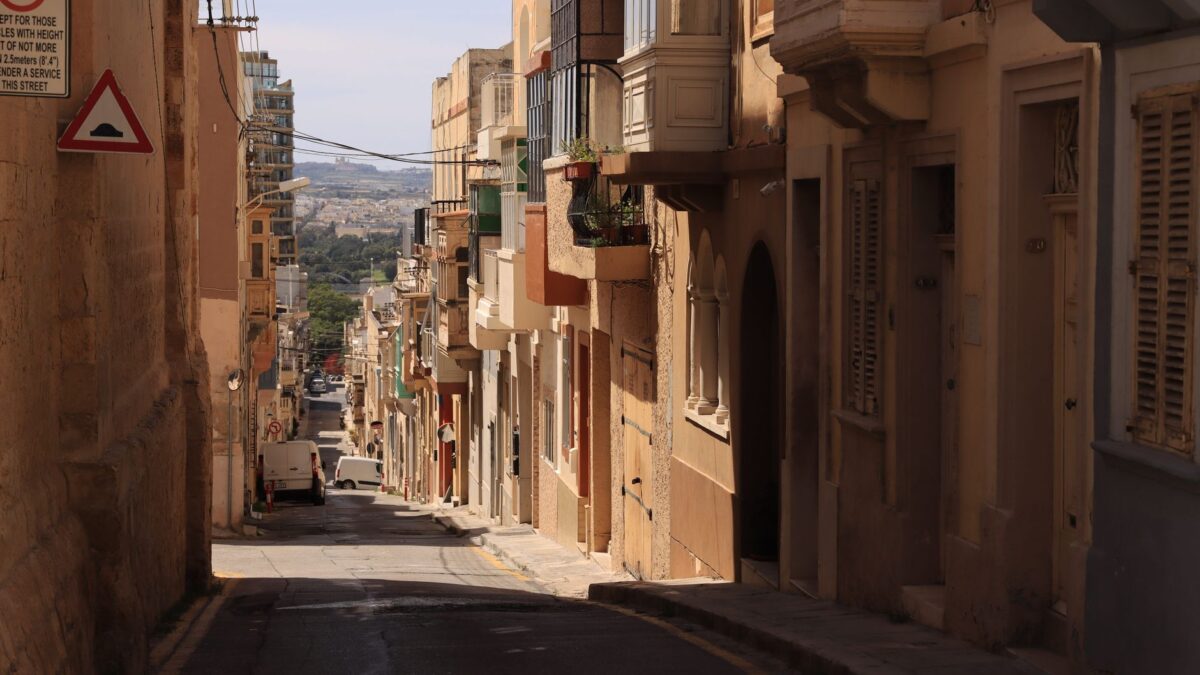
It is mid-November in Valletta, and the light has that specific, heavy golden quality that only exists when winter is quietly turning the corner. The fog clings to the limestone facades along Republic Street, and the café tables have retreated indoors, away from the chill that creeps up from the Grand Harbour. If you are standing here, planning your move, you are likely feeling a mix of excitement and administrative anxiety. Malta is intimate, yes, but its bureaucracy moves with the deliberate pace of a Mediterranean afternoon. This guide is for those first few weeks—the practical, unglamorous setup that lets you stop worrying about logistics and start living.
Navigating Entry and Residence Registration
Your first hurdle depends entirely on your passport. If you hold an EU, EEA, or Swiss citizenship, the entry is seamless: a national ID card gets you through Schengen borders without a visa. You can stay for three months while you sort out your life. However, if you intend to work or study beyond that quarter, you must register with the Expatriates Unit of Identità. Their office is located at the Evans Building on St Elmo’s Square, right in the heart of the capital.
You will need to file Form A (specifically the CEA Form A if you are employed or self-employed) alongside Form ID 1A. To do this, you need three things in hand before you walk in: a registered lease or deed of sale, a social security number (which automatically generates your Tax Identification Number), and a Jobsplus engagement form. Budget roughly 30 working days for this process. It sounds long, but it is the gateway to everything else. Without the resulting eResidence card, you cannot open a bank account, sign up for home internet, or access public health services.
If you are a non-EU national, the rules tighten. Most rely on the standard Schengen 90/180-day rule for short visits. For employment, your employer must file a Single Permit online. If you are in a skilled role earning over approximately €30,000 annually, look into the Key Employee Initiative, which processes in about five working days. Do not attempt to work on a tourist visa; the fines are severe, and the stress is unnecessary.
Opening a Bank Account: The Real Bottleneck
In many countries, banking is instant. In Malta, it is a test of patience. There are four main retail banks you will encounter: Bank of Valletta (BOV), HSBC Malta, APS Bank, and BNF Bank, alongside digital options like MeDirect and Moneybase. BOV is the largest with the most branches, but they are also known for the strictest onboarding procedures. HSBC is ideal if you already bank with them abroad, while APS Bank, being church-founded, can sometimes be more flexible with documentation.
Expect to provide your passport, proof of Maltese address (a registered lease is best, though a utility bill may suffice initially), source-of-funds evidence, and often a reference letter from your current bank. You will almost certainly face an in-person interview. Processing times typically range from two to eight weeks, and longer for non-EU applicants. Here is a pro-tip from local experience: get your eResidence card first. Banks are significantly more willing to onboard you once you have that plastic ID. Note that BOV charges around €60 per year if your registered address remains abroad, so ensure your paperwork is accurate.
If you find yourself blocked, remember that under LN 411 of 2016, you have a legal right to a ‘payment account with basic features.’ It is a bare-bones account, but it keeps your money safe while you navigate the private sector delays. Many newcomers run a local prepaid line alongside a Revolut or Wise euro account during this waiting period to handle daily transactions.
Connectivity: SIM Cards and Data
Malta’s mobile landscape is dominated by three operators: GO, Melita, and Epic (formerly Vodafone Malta). You can purchase prepaid SIM cards at the airport upon arrival, in operator shops, or in many convenience stores. Registration requires your passport or ID, so keep that handy. Because Malta is part of the EU, the ‘Roam Like at Home’ regulation applies, meaning your local allowance works seamlessly across the continent.
For the first week, I recommend grabbing a local prepaid SIM immediately. It allows you to use local delivery apps, coordinate with landlords, and verify phone numbers for two-factor authentication. Keep your international number active via WhatsApp or VoIP for family contact, but let the local SIM handle your daily digital life. It is cheaper, faster, and avoids the confusion of roaming limits.
Getting Around: Transport and Daily Costs
Valletta is compact, but walking everywhere is not always feasible, especially when the weather turns. The card you need is the Tallinja Card from Malta Public Transport. While tourists can buy the Tallinja Explore card, as a resident, you should get the personalised adult card tied to your ID. This grants you the resident fare, which is far cheaper than tourist tickets. With the introduction of full winter routing from November 7th, routes have been adjusted—route 74 no longer reaches the Blue Grotto, ending instead at Panorama, and the airport-bound 119 no longer serves Żejtun. Always check the latest schedules.
A single bus fare costs around €2.00 in winter (up to €2.50 in summer). An unlimited monthly pass runs between €21 and €26, making it one of the most affordable transit systems in Europe. Ferries are another option: a crossing to Sliema takes ten minutes, and to the Three Cities, just five. Bolt and Uber operate freely, but buses thin out sharply after 21:00, so plan accordingly.
Cost-wise, Valletta is pricier than the rest of the island due to tourism-driven rents and dining. A modest one-bedroom flat in the city centre rents for about €1,150 to €1,400 monthly. Dining out varies wildly. A plate of pasta or rabbit stew at an inexpensive local restaurant is around €15–€20, while a three-course dinner for two at a mid-range spot runs €75–€80. However, street food remains a budget hero. A pastizz (ricotta or mushy-pea pastry) costs roughly €0.70, and an ftira sandwich is €4.50–€6.50. You can easily feed yourself for under €15 a day if you embrace the local bakeries.
Safety and Seasonal Nuances
Valletta is one of Europe’s safest capitals. Violent crime is rare, and the walled city quiets down significantly after 22:00 once the day-trippers leave. The real risks are practical. The side streets are steep and stepped, which can be challenging in summer heat or for those with reduced mobility. Pickpocketing is uncommon in the historic centre but can occur in crowded nightlife areas like Paceville. Always carry some cash; landlords, tradespeople, and small village vendors still prefer it, especially outside the main urban hubs.
As mid-November sets in, you will notice the shift in rhythm. Christmas lights begin to appear along Republic and Merchants Streets, and the evenings push people into teatri and wine bars rather than the waterfront. Venues like the Manoel Theatre (opened in 1732) and MUŻA on Merchants Street offer cultural respite from the damp air. Whether you are watching a performance at Teatru Manoel or simply sitting in De Bono Coffee Shop watching the fog lift off the harbour, take time to settle. The paperwork will clear, the bank account will open, and soon, this stone city will feel less like a destination and more like home.
Frequently asked questions
How long does it take to register for residence in Malta?
Budget roughly 30 working days to register with the Expatriates Unit after submitting your lease, social security number, and Jobsplus form. You need the eResidence card for banking and utilities.
Can I open a bank account in Malta without an eResidence card?
It is very difficult. Most major banks require the eResidence card for full onboarding. Some may accept a registered lease and passport initially, but processing can take 2-8 weeks.
What is the cost of a monthly bus pass in Valletta?
The unlimited monthly Tallinja adult card costs between €21 and €26. Single fares are €2.00 in winter and €2.50 in summer.
Where do EU citizens go to register their residence?
EU/EEA/Swiss citizens must visit the Expatriates Unit of Identità at the Evans Building, St Elmo's Square, Valletta, to file Form A and Form ID 1A.
Is it better to use a tourist or resident bus card?
Residents should get the personalised Tallinja Card tied to their ID for the discounted resident fare. Tourists use the Tallinja Explore card for unlimited travel.


