

From the airport into Tbilisi: every option and what it costs
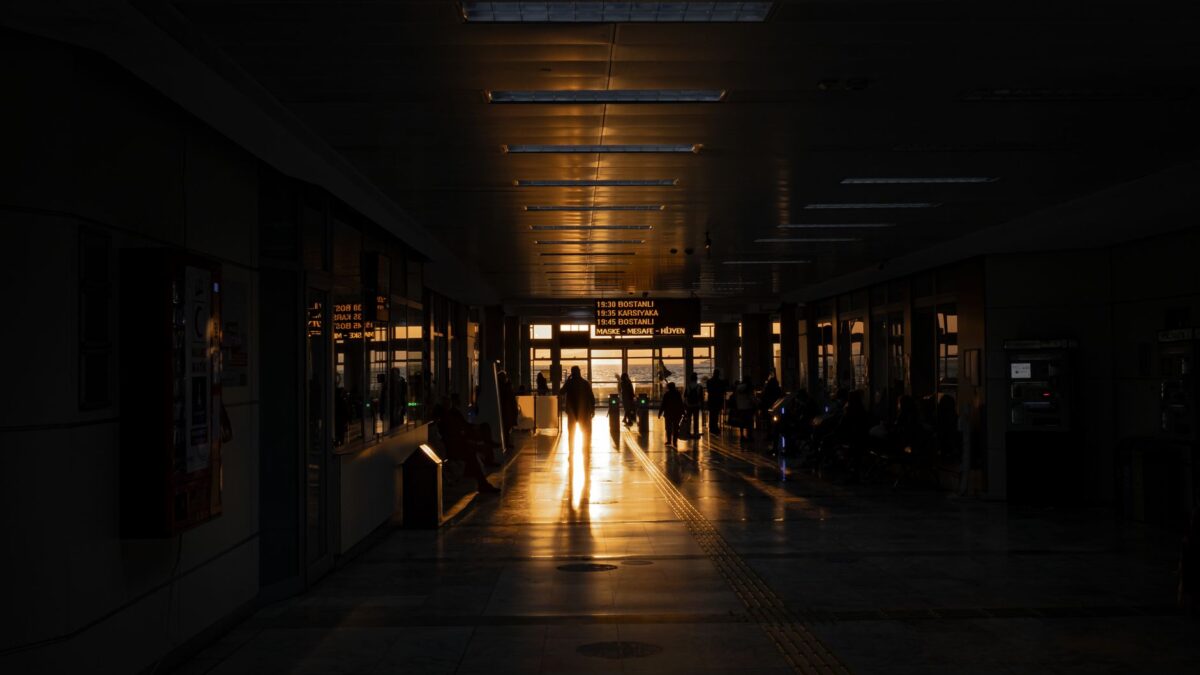
The air at Tbilisi International Airport is thick with the specific, heavy scent of diesel and cold earth. It is mid-November here, and as you step out into the twilight, the temperature has already dropped to a brisk 6°C, with winds whipping off the Mtkvari river gorge at 35 km/h. The plane trees along the highway are stripped bare, their skeletal branches silhouetted against the grey sky. You have just landed in a city that feels like it is holding its breath—wood smoke drifting from courtyards below, street stalls transitioning from summer fruits to churchkhela and pomegranates, and the first Adjaran mandarins arriving just in time for the New Year’s Village preparations on Rustaveli Avenue.
Getting from this terminal into the heart of the city can feel like navigating a maze if you don’t know the local rhythm. But Tbilisi is small, forgiving, and remarkably cheap if you know where to look. As someone who has walked these streets since the Soviet era, I can tell you that the difference between a tourist trap and a smart choice often comes down to a few lari and knowing which app to open. Here is exactly how to get into town, what it will cost you in Georgian lari (GEL), and when to choose which option.
The Bolt Ride: Speed, Comfort, and the Real Cost
For most travellers, especially those arriving late or with luggage, the ride-hailing apps are the undisputed kings of convenience. Bolt is the default in Georgia; Yandex Go and Maxim serve as reliable backups. The beauty of these apps is that they remove the negotiation entirely. You type your destination—whether it’s the cobblestone lanes of Old Town (Kala), the Art Nouveau mansions of Sololaki, or the creative hub of Fabrika in Chugureti—and the price is locked in before you move.
A ride from the airport to the city centre typically costs between 15 and 25 GEL. That is roughly $5.50 to $9 USD. In many European capitals, this would be considered a budget lunch; here, it buys you air-conditioned comfort, a driver who knows the shortcuts around the Republic Square traffic reworks, and a direct line to your hotel door. If you are staying in Vake or Vera, expect the higher end of that range due to distance, but it remains incredibly affordable.
Crucial tip: Avoid unmarked taxis waiting at the arrivals curb who quote flat rates in dollars or euros. Their prices are often triple the app rate. Open Bolt immediately upon clearing customs. Ensure your destination is spelled correctly in Georgian script if possible, as drivers sometimes struggle with English addresses in the older districts.
The Official Bus: The Budget Warrior’s Choice
If you want to experience Tbilisi like a local resident rather than a visitor, take the bus. Specifically, look for Bus 337, which runs directly from the airport terminal to the city center, terminating near the railway station and Freedom Square. This is not a luxury service; it is a yellow municipal minibus or standard city bus that cuts through the same traffic jams as everyone else.
The fare is a flat 1 GEL. Yes, one lari. This single ticket grants you 90 minutes of unlimited travel across the entire network, including the metro, other buses, and minibuses. To pay, you tap a contactless bank card (TBC or Bank of Georgia cards work seamlessly) or load money onto a Metromoney card. You can buy a Metromoney card for a 2 GEL deposit at any metro station ticket office—keep the receipt, as the deposit is refundable when you return the card.
The journey takes about 40 to 50 minutes depending on traffic, particularly during the rush hour around Rustaveli Avenue. It is a good option if you are traveling light, arriving in daylight, and your accommodation is within walking distance of a metro stop or main avenue. However, given the current wind chill and the steep hills leading into districts like Vera or Abanotubani, carrying heavy bags on this route is an exercise in regret.
The Metro: Fast, Clean, and Architecturally Stunning
Tbilisi’s metro system is a relic of the Soviet era that has been meticulously maintained and even expanded. It is clean, safe, and deeply atmospheric, with stations adorned with chandeliers, mosaics, and bronze statues. For a traveller, the metro is not just transport; it is a mini-tour of the city’s history.
To use it, you must start with the bus or a short taxi ride to a metro station, as the airport itself does not have a metro stop. Once you are at a station, the process is simple: buy a Metromoney card or use your foreign contactless bank card directly at the turnstile. The fare is again 1 GEL for 90 minutes of transfers. If you plan to use public transport extensively over several days, consider the monthly Blue Travel Card subscription for 40 GEL, though for most short-term visitors, the per-ride cost is negligible.
Note that the metro has two lines crossing at Sadguris Moedani (Station Square). Be aware that Varketili, the terminus of the first line, is currently undergoing rehabilitation and has limited service through the end of December 2026. Always check the station maps for accessibility, as many older stations lack elevators, making them difficult for those with mobility issues or large suitcases.
Private Transfers: When Luxury Meets Logistics
Some hotels and tour operators offer private pre-booked transfers. These are convenient, offering a meet-and-greet service with a sign bearing your name. Prices vary wildly by provider, but you should expect to pay between 30 and 50 GEL for a sedan. While more expensive than Bolt, this option eliminates the stress of finding Wi-Fi at the airport to download an app or fumbling for your bank card in the rain.
This is a sensible choice if you are arriving during a major event, such as the upcoming DataFest Tbilisi in late November, when tech crowds flood the city, or if you have special requirements like child seats or extra luggage space for a long stay in Kakheti. However, always confirm the exact vehicle type and pickup location in advance, as airport layouts can change.
Practical Context for Your Arrival
As you navigate these options, keep in mind the broader context of Tbilisi in late 2026. The city is vibrant but politically charged; daily pro-EU protests outside Parliament and City Hall are ongoing, and while they rarely disrupt transport, they can cause sudden road closures. Additionally, ensure you have health and accident insurance covering at least 30,000 GEL, as this is now strictly checked at borders with fines for non-compliance. Your bank card should also have a chip for contactless payments, as cash is becoming less common in transit systems.
Whether you zip into town in a Bolt for 20 GEL, tap your way through the metro for 1 GEL, or ride the bus for the same penny, you are entering a city that pulses with life. From the sulphur baths of Abanotubani to the wine bars of Sololaki, Tbilisi welcomes you not with grandeur, but with warmth—and plenty of khinkali to help you forget the cold.
Frequently asked questions
How much is a taxi from Tbilisi airport to the city center?
Using apps like Bolt or Yandex Go, expect to pay between 15 and 25 GEL ($5–$9 USD). Avoid unmarked street taxis quoting flat rates, as they are significantly more expensive.
Is there a metro station at Tbilisi airport?
No. The nearest metro access requires taking Bus 337 or a short taxi ride to a central station. The metro fare is a flat 1 GEL, valid for 90 minutes of transfers.
What is the cheapest way to get into Tbilisi from the airport?
Bus 337 is the most economical option, costing just 1 GEL. It runs directly to the city center but takes 40–50 minutes and may be uncomfortable with heavy luggage in cold weather.
Do I need cash for public transport in Tbilisi?
Not necessarily. You can use contactless foreign bank cards at metro turnstiles and bus readers. Alternatively, buy a Metromoney card for a 2 GEL deposit at any metro station.
Are there any current disruptions to public transport in Tbilisi?
Varketili metro station is partially closed for rehabilitation until late December 2026. Additionally, political protests may occasionally cause temporary road closures near Parliament and City Hall.


