

From the airport into Astana: every option and what it costs
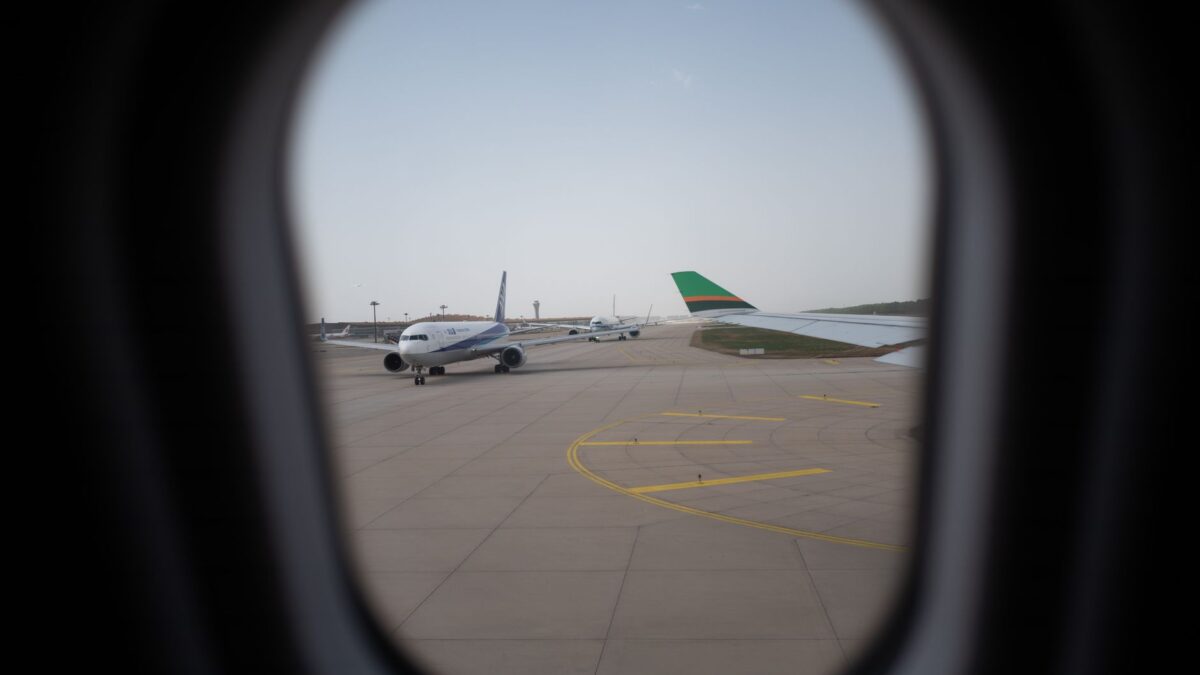
It is November in Astana, and the air bites. At -5°C with a wind chill that feels like -4°C, the moment you step out of the terminal at Nazarbayev International Airport (NQZ), the cold finds its way through your coat. The sky is a pale, washed-out grey, typical for this time of year when darkness falls by late afternoon. You are standing on the left bank, in the Esil district, surrounded by mirrored towers and wide boulevards that look impressive but feel empty in the winter fog. Your first priority isn’t sightseeing; it’s getting to your accommodation before your fingers go numb. Here is exactly how to navigate the short but critical journey from the airport into the city.
The Reality of Taxis: Avoid the Street
As you exit the arrivals hall, you will notice men waving flags or holding signs, asking if you need a ride. Do not engage. These unmarked taxis are notorious for overcharging visitors, sometimes quoting prices ten times the standard rate. In a city where a cross-town taxi ride should cost between ₸1,000 and ₸2,000 (roughly $2.1–$4.3), these touts may demand much more simply because you look unfamiliar.
The only safe and sensible option is to use a ride-hailing app. Yandex Go is the dominant platform here, just as it is in Russia and other post-Soviet states. It works reliably, the pricing is transparent, and you can pay via card or cash. When you request a ride, the base fare starts around ₸1,050, with an additional charge of roughly ₸500 per kilometer. A trip to the city center or the Esil district hotels will typically run you about ₸1,500 to ₸2,500 ($3.2–$5.3). This is cheap by global standards, but it protects you from scams. If you prefer international apps, Uber is also available, though Yandex often has more drivers during peak hours. Always check the estimated price in the app before confirming; if it seems suspiciously low, wait a moment—the algorithm adjusts based on demand.
Private Transfers: The Comfortable Premium
If you are arriving after a long flight, perhaps attending one of the major events currently shaking up the city—like the FEI Jumping World Cup at the Argymak complex or the national weightlifting championships at the Qazaqstan athletics complex—you might value door-to-door service without the hassle of navigating an app in freezing weather. Private transfers are widely available and can be booked in advance through hotel concierges or local tour operators.
These services usually involve a driver waiting with a sign at baggage claim. Prices vary significantly depending on the vehicle class. Expect to pay between ₸8,000 and ₸15,000 ($17–$32) for a standard sedan to the city center. While this is three to five times the cost of a Yandex ride, it includes assistance with luggage and immediate climate-controlled comfort. For groups or those carrying sports equipment for the wrestling or boxing tournaments, a larger van might be necessary, pushing the cost toward ₸20,000 ($43). Ensure the driver agrees on the price before starting the engine, although pre-booked transfers usually have fixed rates included in the invoice.
Buses and Public Transit: For the Brave and Budget-Conscious
Astana does not have a metro system. Public transport relies entirely on buses and the future LRT line, which has been under construction for years and is not yet operational for general travel. Therefore, buses are your primary public transit option. They are clean, frequent, and incredibly affordable, but they come with significant caveats in November.
A single bus ride costs ₸110 if you use a contactless payment method (Transcard, Kaspi QR, or NFC bank card) and ₸220 if you pay cash to the driver. This makes it one of the cheapest ways to travel globally. However, boarding involves standing outside in the cold while the doors open, and finding the correct stop in the dark can be challenging if you do not speak Kazakh or Russian. Routes are numbered and displayed on digital boards, but destinations are often only listed in Cyrillic. If you are staying in the Almaty district or the older Saryarka area, buses are plentiful. If you are heading to the newer Nura or Saraishyk districts, service may be less frequent.
For longer stays, consider the monthly “Gorod” transit pass, which costs approximately ₸7,500 ($16) and offers unlimited rides. You can top this up via the Homebank or Kaspi apps. While using public transit saves money, remember that Astana’s winters are harsh. Pavements are often icy, and buses can be delayed due to snow clearance issues. Unless you are deeply integrated into the city and know the routes well, I recommend reserving buses for daytime travel and sticking to ride-hailing apps in the evening.
Navigating the Districts: Where Are You Going?
Understanding Astana’s layout is key to estimating your travel time and cost. The city is divided into six districts, and your destination dictates your route.
- Esil (Yesil): The left bank is the modern heart. This is where the Baiterek Tower, Khan Shatyr, and the EXPO-2017 site are located. Traffic here is heavy, especially near Nurjol Boulevard. A taxi ride across Esil might take 15–20 minutes.
- Almaty: The oldest district on the right bank. It houses the Presidential Park, the Pyramid, and the historic core. It is denser and more residential. Crossing from Esil to Almaty involves crossing the Ishim River bridges, which can be congested.
- Saryarka: Also on the right bank, this is the industrial and old-station area. It is cheaper and less polished. Locals often steer newcomers away from the Koktal bazaar area here due to safety concerns.
- Baikonur, Nura, and Saraishyk: These are newer, sprawling residential zones. Baikonur was carved out of Almaty and Saryarka, while Nura and Saraishyk are recent expansions. Taxi rides to these outer districts will be longer and more expensive, potentially reaching ₸3,000–₸4,000 ($6.4–$8.5) from the airport.
Weather is a constant factor. In mid-November, you will see large chunks of ice shearing off the LRT overpasses—a recurring local gripe that creates hazards on sidewalks. Drive carefully if you rent a car later, and always walk with caution. The cold is a bigger practical hazard than crime; blocked cars and cancelled flights are real risks in deep winter.
Practical Tips for Arrival
Before you even think about transport, ensure your logistics are sorted. Most travelers from the EU, UK, US, Canada, and Australia enter visa-free for 30 days. However, you must register an electronic travel authorization in the QazETA app at least 72 hours before flying. Paper migration cards are obsolete; your entry stamp is your record.
Payment in Astana is almost entirely digital. Kaspi.kz is the default banking app, used for everything from buying bread to paying for bus rides. Non-residents can open accounts with a passport and IIN (Individual Identification Number), but note that under ARDFM Resolution No. 96, payment cards issued to non-residents are time-limited to about 12 months. Keep some cash on hand for bazaars or small stalls, but for most transactions, your phone is your wallet. Buy a local SIM card at the airport kiosks from Beeline, Kcell, Tele2, or Altel. Remember, Kazakhstan registers handsets by IMEI; if you plan to stay longer than 30 days, register your phone or use an eSIM to avoid having your device blocked.
Once you are settled, explore the city’s rich cultural offerings. Visit the National Museum to see the Golden Man, or catch a performance at the Astana Opera. But for now, focus on getting inside, warm, and connected. The city is beautiful, but it demands respect for its climate and infrastructure. Use Yandex Go, keep your QR codes ready, and enjoy the hospitality of Kazakhstan.
Frequently asked questions
How much does a taxi cost from Astana airport to the city center?
A ride via Yandex Go typically costs between ₸1,500 and ₸2,500 ($3.2–$5.3). Avoid unmarked street taxis, which may overcharge significantly.
Is there a metro in Astana?
No. Astana relies on buses and ride-hailing apps. The Light Rail Transit (LRT) line is still under construction and not yet operational for passengers.
How do I pay for public buses in Astana?
You can use a Transcard, Kaspi QR code, or contactless bank card/NFC watch. Cash fares are higher (₸220 vs ₸110). Board at the front door only.
Do I need to register my phone if I buy a local SIM?
Yes. Kazakhstan registers devices by IMEI. If you stay longer than 30 days, ensure your phone is registered locally or use an eSIM to prevent blocking.
What are the main districts in Astana?
The city has six districts: Esil (modern left bank), Almaty (historic right bank), Saryarka (industrial right bank), Baikonur, Nura, and Saraishyk (newer residential areas).
Things to do in Kazakhstan
 Astana City Tour: Private Full Day with Lunch and Comfort Pickup
 Private Full Day Almaty City Tour
 Discovering 6 Stunning Sights on Private Tour of Charyn Canyon
 Astana: KarLag and Karaganda - Private USSR history tour
 1 Day Private Tour to Charyn Canyon, Kolsay and Kaiyndy
 1 Day Group Tour to Charyn Canyon, Kolsay Lake and Kaindy Lake