

From the airport into Guatemala City: every option and what it costs
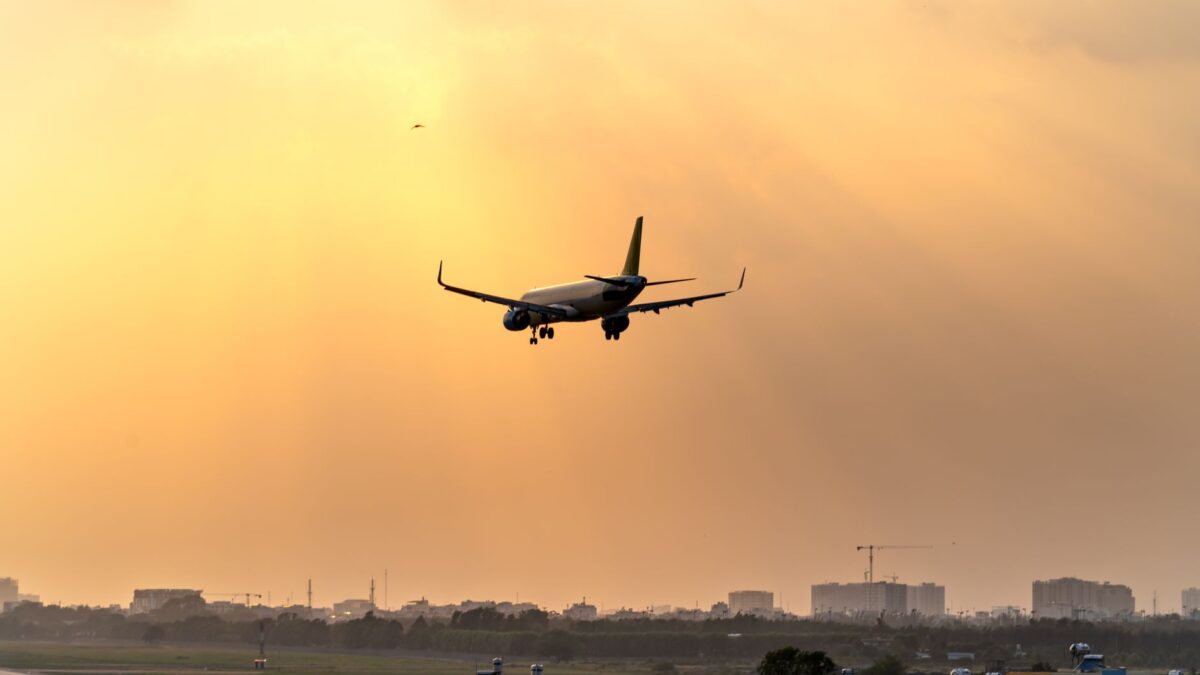
You step out of La Aurora International Airport and the first thing that hits you is the altitude. At 1,500 meters, the air is thin, crisp, and carries a faint scent of damp earth and exhaust. It is late November, and while the rains have finally quit for the season, the sky hangs low with a light drizzle that makes the neon signs of Zona 9 glow like watercolor paintings. The temperature hovers around 18°C—cool enough to need a jacket, but warm enough that the city feels alive rather than dormant. You are in Guatemala City, a sprawling capital built on top of ancient Maya mounds, where colonial history collides with modern chaos. Your first task is not sightseeing; it is getting from the curb to your door without losing your wallet or your patience.
The Myth of Public Transit
Let’s address the elephant in the room immediately: there is no metro. The MetroRiel light-rail line linking Centra Norte to Centra Sur is still under construction, meaning you cannot simply hop on a train and glide across the city. While the Transmetro bus rapid transit system is efficient and incredibly cheap—fares are frozen at Q1.00 for continuous-stop service since 2007—it is designed for locals commuting to work, not travelers navigating with luggage. The buses are often packed, the stops can be confusing if you don’t speak Spanish, and the safety dynamics change drastically after dark.
For most visitors, relying on the Transmetro for airport transfer is a logistical headache rather than a budget win. If you do choose to use public transport, you will need a Tarjeta Ciudadana. This municipal transit card costs Q20 (which includes five free rides) and must be recharged at stations or via the TCiudadana app. Cash was abolished at turnstiles in 2021, so you cannot buy tickets on the bus. Unless you are staying in a zone directly served by Línea 1 or 6 and are comfortable navigating complex transfers, I strongly advise against this option for your arrival.
Official Taxis vs. Ride-Hailing Apps
Your first interaction with the taxi drivers outside Arrivals will likely involve persistent offers. These are unregistered, street-hailed cabs. While they may seem convenient, they are generally considered unsafe for tourists due to lack of accountability and potential for overcharging or robbery. Avoid them.
The Safe Bet: Radio-Dispatched Taxis
If you prefer the traditional taxi experience, look for the yellow Taxi Amarillo Express stands inside the terminal. These are radio-dispatched, GPS-tracked vehicles that accept card payments. They are safer than street cabs because their routes are monitored. Expect to pay a base fare starting around Q40, plus a per-kilometer rate. A ride to Zona 9 or 10 might cost between Q100 and Q150 ($13–$19), depending on traffic. It is a fair compromise if you want the ease of a door-to-door service without booking an app.
The Local Favorite: Uber and InDriver
For many expats and savvy travelers, Uber is the default choice. It is widely used, transparently priced, and safe. You can book a ride the moment you land. The cars are usually clean, and the drivers know exactly where to pick you up at La Aurora. Fares are competitive; a trip to Zona 10 typically runs Q80–Q120 ($10–$15). InDriver is another popular app in Guatemala, allowing you to bid on the fare, which can sometimes yield cheaper rates, though it requires more negotiation. Both apps operate reliably in Zonas 9, 10, 14, and 15.
Private Transfers: Comfort and Convenience
If you are arriving late, traveling with a group, or simply value peace of mind, a private pre-booked transfer is worth the premium. Companies like Guatemala Airport Shuttle or hotel-arranged cars will meet you in the arrivals hall with a sign. This is the most seamless option, especially given the unpredictable nature of Guatemalan traffic.
Costs vary significantly based on vehicle type. A standard sedan to Zona 9 or 10 will run approximately Q250–Q350 ($32–$45). Larger vans for groups can exceed Q500 ($65). While this is roughly three times the cost of an Uber, you eliminate the risk of getting lost, the hassle of explaining your destination, and the anxiety of waiting for a driver who might cancel. For those heading to the quieter, pricier residential zones like Zona 14 or the gated community of Vista Hermosa (Zona 15), a private transfer is highly recommended as these areas are less dense with ride-share availability.
Navigating the Zones: Where Are You Going?
Your choice of transport depends heavily on your destination. Guatemala City is divided into ‘Zonas,’ each with a distinct character and safety profile.
- Zona 1 (Centro Histórico): The historic heart. Beautiful colonial architecture, the Metropolitan Cathedral, and the Mercado Central. However, it empties out after 6 PM and becomes risky at night. Stick to daytime visits or secure high-end hotels.
- Zona 9 & 10 (Zona Viva): The business and nightlife core along Avenida La Reforma. This is the default landing zone for newcomers, housing embassies, malls like Oakland Mall, and the best restaurants. It is walkable during the day and lively at night.
- Zona 14: A quieter, upscale residential area near the airport. Popular with expat families and home to private clinics. Traffic on Avenida Las Américas can be heavy.
- Zona 16 / Ciudad Cayalá: A new, planned urbanist town with white facades and cobblestones. Very safe and walkable, but isolated and expensive. Perfect for a short stay, but far from the airport.
A Note on Safety: Nobody local walks Zona 1 after dark. The same applies to Zonas 3, 6, and 8. While Zonas 10, 14, 15, and Cayalá are accepted as safer islands, no zone is crime-free. Practical habit dictates using Uber or Taxi Amarillo Express rather than hailing white street taxis. On Sundays, the municipality runs ‘Pasos y Pedales,’ closing major avenues for bikes and walkers—a lovely way to see the city safely.
Practicalities for the First Hour
Once you are off the plane, consider your connectivity. The SIM market is a duopoly of Tigo and Claro. Prepaid SIMs are sold at mall kiosks and supermarkets, but you must register them against your passport. If you land late, buying an eSIM online before you arrive is the least painful route.
For currency, you will need Quetzales (GTQ). The exchange rate is roughly 7.76 GTQ to 1 USD. ATMs are available in the airport, but fees can be high. Banco Industrial has the most ubiquitous network. If you plan to stay long-term, note that non-residents on a tourist stamp generally cannot open a normal bank account; you will need your DPI (foreigner ID) once you complete your residency registration with the Instituto Guatemalteco de Migración (IGM).
As you drive toward the city, notice the weather turning cooler. Late November marks the end of the rainy season. Nights in the capital turn jacket-cold, and the Centro Histórico begins to fill with lights for the Christmas Festival. By December, the Plaza de la Constitución will host an ice-skating rink and a 15-meter tree, transforming the colonial grid into a winter wonderland. But for now, your only goal is to get to your hotel, drop your bags, and perhaps grab a comida corrida—a set lunch costing about Q52 ($7)—to ground yourself in this vibrant, complex capital.
Frequently asked questions
Is it safe to take a taxi from La Aurora Airport?
Avoid unregistered street taxis. Use official radio-dispatched services like Taxi Amarillo Express inside the terminal, or ride-hailing apps like Uber and InDriver, which are widely used and tracked.
How much does a taxi from the airport to Zona 9 cost?
A radio-dispatched taxi typically costs between Q100 and Q150 ($13–$19). Private pre-booked transfers are more expensive, ranging from Q250 to Q350 ($32–$45).
Can I use the Transmetro bus from the airport?
It is possible but not recommended for first-time visitors. You need a Tarjeta Ciudadana (Q20), must pay contactless fares, and navigate complex transfers with luggage. It is designed for daily commuters.
What is the safest zone to stay in near the airport?
Zona 14 is the closest upscale residential zone to the airport, popular with expats. Zona 10 (Zona Viva) is also very safe and central, though further away. Avoid walking in Zona 1 after dark.
Do I need cash for public transport in Guatemala City?
No. Cash was abolished at Transmetro turnstiles in 2021. You must use the Tarjeta Ciudadana, which can be reloaded via the app, banks, or contactless Visa/Mastercard cards.
Things to do in Guatemala
 Guatemalan Cooking Class & Market Tour
 Coffee Tour Adventure Antigua Guatemala
 Private Ground Transfer From Antigua To Guatemala City Airport
 Antigua Coffee Tour by Local Producers
 Experience: Organic Coffee, Avocados, Honey & More!
 Tikal Full Day with Dedicated Exploration of the Archaeological Monuments.