

A first-timer’s guide to Uzbekistan
The air in Tashkent has a weight to it this time of year. It is late November, and the city is holding its breath under a blanket of low-hanging clouds. If you are standing near Chorsu Bazaar right now, you will notice the temperature inversion trapping coal smoke and gas fumes over the streets—a seasonal ritual that means masks are not just a health recommendation but a necessity if you plan to wander the Old City for long. Yet, despite the drizzle and the chill, there is an undeniable pulse here. The New Year decorations are already flickering to life along Broadway Alley, and the scent of roasting lamb from the nearby plov houses cuts through the damp cold. You have arrived in Uzbekistan, a place where ancient Silk Road hospitality meets a rapidly modernizing Soviet legacy.
When to Visit and How Long to Stay
While my current reality involves dodging PM2.5 advisories and navigating the heating season, I must tell you that the best time for a first-timer is spring or early autumn. During these months, Tashkent’s wide avenues and green courtyards are comfortable, and the weather allows you to walk between the metro stations without bundling up against the chill. However, if you are drawn to the cultural calendar, keep an eye on events like the Tashkent International Tourism Fair. These large exhibitions bring hundreds of companies and food festivals to the CAEx centre, creating a vibrant but chaotic energy that requires patience with transport.
For your itinerary, aim for at least ten to fourteen days. This allows you to spend four days in Tashkent—exploring the Soviet-era architecture built after the 1966 earthquake—and then take two or three high-speed train journeys to Samarkand, Bukhara, and Khiva. The remaining days should be reserved for the natural escapes; the Tien Shan foothills are only an hour and a half away. Whether you are hiking in the Chimgan valley or swimming at the Charvak reservoir, nature offers a stark, beautiful contrast to the urban sprawl. Do not rush the journey; the magic of Central Asia lies in the spaces between destinations.
Getting Around: Metro, Buses, and Traffic
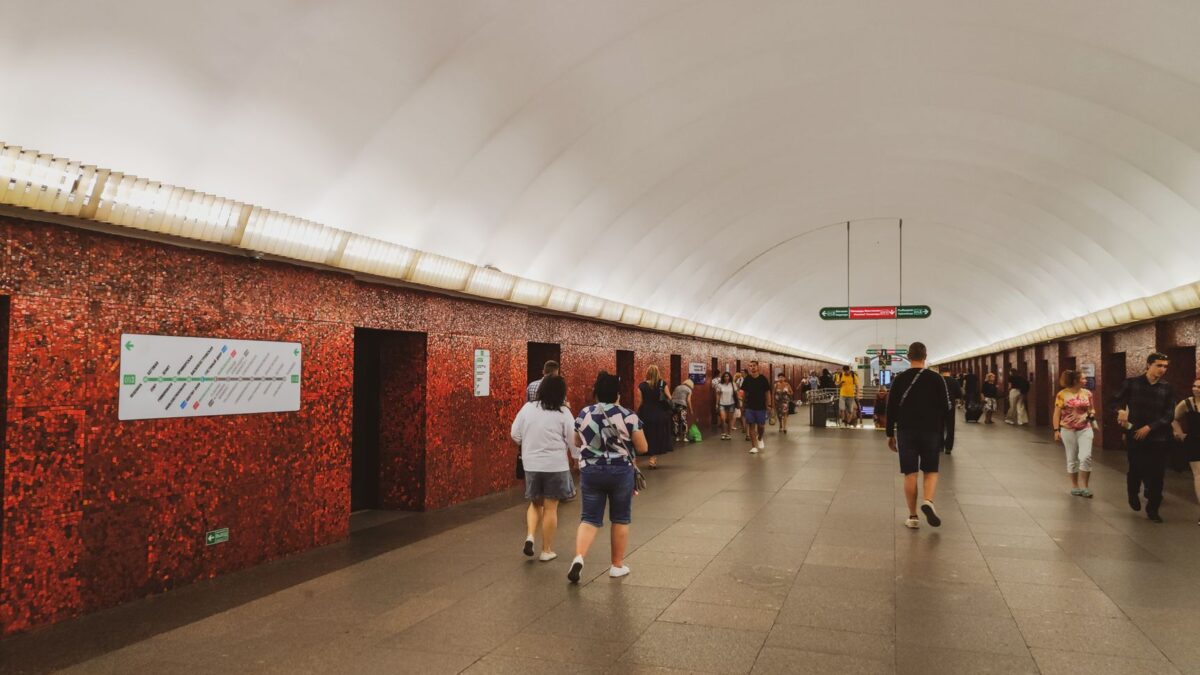
Tashkent is vast, and relying on surface traffic during rush hour is a test of endurance. Commutes into the city centre can easily stretch to forty or sixty minutes. Instead, embrace the metro. With four lines covering the city, it is efficient, clean, and architectural marvels like Kosmonavtlar station await you. As of October 2026, fares have adjusted; expect to pay around 2,500 UZS (roughly $0.2) per ride using the ATTO card or app, up from previous years. Cash payments of 3,000 UZS are possible but involve slow queues.
If you are staying longer, consider the monthly transit pass for about 345,000 UZS (approx. $27), which covers both bus and metro access. Be aware that the overground ring line, known as the ’30 Years of Independence’ line, may have intermittent closures due to maintenance defects, so always check local updates before planning routes that rely on it. For point-to-point travel, Yandex Go is the indispensable taxi app. It is cheap, reliable, and avoids the haggling games of street taxis. Just remember that districts like Yunusabad, with its new residential complexes and heavy traffic, can be congested, while areas like Chilonzor offer easier metro access to the centre.
Money, Banking, and Daily Costs
The currency is the Uzbekistani soum (UZS), and prices are quoted in millions. To navigate this, you need a local bank account. The process starts with temporary registration, followed by obtaining your PINFL (tax ID) at the district tax office. Once you have these, Kapitalbank is often the most straightforward option for non-residents, issuing a Visa card in as little as twenty minutes for a fee of around 25,000 UZS. Digital challengers like Uzum Bank and TBC Bank are also popular among locals for their seamless apps.
Food and transport remain relatively affordable, though inflation is visible. A single loaf of tandir non costs about 4,500 UZS, and a plate of plov at a dedicated chaikhana runs between 45,000 and 55,000 UZS (around $4). For a full meal at Chorsu Bazaar, including soup and salad, budget roughly 60,000–70,000 UZS. Dining out at a mid-range restaurant for two might cost you 350,000–400,000 UZS (about $30). While Tashkent is cheap compared to Western capitals, the average local salary barely covers basic living costs, so be mindful of price fluctuations. Always carry small sums of cash for bazaars and smaller eateries, even if you use cards for larger purchases.
Essentials: Visas, SIM Cards, and Registration
Visa policies have liberalized significantly. Citizens of over sixty countries, including the US, UK, EU nations, Canada, and Australia, can enter visa-free for thirty days. If you require a visa, apply via e-visa.gov.uz; processing takes about two working days. Upon arrival, temporary registration is mandatory within three business days. Hotels handle this automatically, providing a paper slip that you must keep until departure. If you are staying in private accommodation, your host must register you via the Emehmon system or at the migration office.
For connectivity, buy a SIM card from one of the four major operators—Ucell, Beeline, Mobiuz, or Uzmobile—at an official kiosk or shop, bringing your passport. Tourist packages are available, but a local number is essential for linking Payme or Click wallets, which are how most people pay for everything from coffee to taxis. Note that if you bought your phone outside Uzbekistan, you may need to register its IMEI to keep it functioning beyond a short grace period. Finally, respect the local rhythm: Sundays are largely closed for government services and many shops, so plan your banking and registrations accordingly.
Frequently asked questions
Do I need a visa to visit Uzbekistan?
Citizens of over 60 countries, including the US, UK, and EU members, can enter visa-free for 30 days. Others should apply online at e-visa.gov.uz.
How do I get around Tashkent efficiently?
Use the metro or Yandex Go taxi app. Avoid surface traffic during rush hours, as commutes to the centre can take 40-60 minutes.
What is the cost of a meal in Tashkent?
A plate of plov costs around 45,000-55,000 UZS ($4), while dinner for two at a mid-range restaurant is about 350,000-400,000 UZS ($30).
Is temporary registration required for tourists?
Yes, you must register within three working days of arrival. Hotels provide this automatically; private hosts must register you via the Emehmon system.
Things to do in Uzbekistan
 Samarkand City Private Guided Tour & transport & paper factory
 Seven Lakes: Fully Inclusive Door-to-Door Guided Tour
 Autumn Special !! Explore Old Bukhara — Morning & Evening Walk
 Special offer
Bake Legendary Samarkand Bread like an Acrobat in a Local Bakery
 Special offer
Bukhara: Ancient City Guided Walking Tour in a Small Group.
 Nukus to Khiva: Transfer with Top 4 Fortresses & Akchakul Lake