

The best time to visit Laos
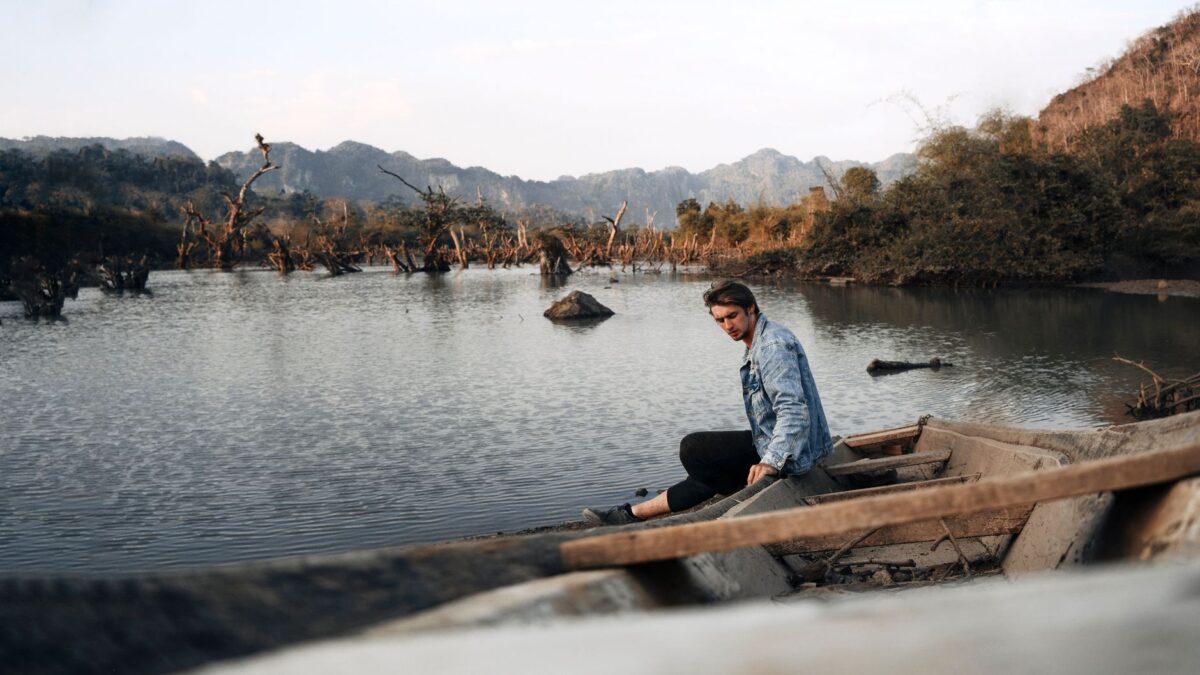
The rains have finally broken over the Mekong. If you are standing on the riverfront promenade in Vientiane right now, you can feel the shift in the air. The oppressive humidity of October has lifted, replaced by a crisp, hazy stillness that makes the morning light look like gold dust. The water is dropping, exposing wide sandbanks where locals gather to fish and children chase each other. This pivot into the cool dry season—roughly late November through February—is widely considered the best time to visit Laos, but ‘best’ depends entirely on what kind of traveler you are. Are you chasing festivals? Do you need budget flexibility? Or do you just want to drink coffee without sweating through your shirt?
The Cool Dry Season: November to February
This is the peak window for comfort. In Vientiane, temperatures settle into a pleasant 21–29°C, though on sunny afternoons it can feel closer to 33°C if you are walking around landmarks like Pha That Luang. The skies are partly cloudy at best, and the roads are dusty but passable. For many visitors, this is the sweet spot.
However, timing matters immensely during these months. Late November brings the massive Boun That Luang Festival. If you are in the capital between November 20th and 24th, the Pha That Luang esplanade transforms into a sea of activity with wax-castle processions and mass almsgiving. While spiritually profound, the practical reality is intense congestion; street stalls line Fa Ngum Road, and traffic management measures make movement difficult. If you prefer quiet contemplation, avoid the festival dates or head to Vang Vieng, about 150km north, where the karst landscapes are clear and crisp for kayaking and ballooning.
Crowds & Prices: Expect higher prices for accommodation, especially in the walkable Chanthabouly district near Nam Phou fountain. A modest one-bedroom flat here costs roughly ₭13.6–14.5 million LAK monthly (about $790), reflecting its status as the city’s most expensive per-square-meter zone. However, daily tourist spending remains manageable. You can enjoy a three-course dinner for two at a mid-range restaurant for around ₭400,000 ($23), or grab a local meal of khao piak sen noodle soup for just ₭20,000–30,000 ($1.4).
If you don’t mind the rain, the wet season offers lush greenery, lower prices, and fewer tourists. The heat is intense, often pushing temperatures above 35°C, and afternoon thunderstorms are frequent. The Mekong swells, making boat travel on the main river unpredictable, but the waterfalls in Phou Khao Khouay National Protected Area are at their most spectacular.
Crowds & Prices: This is the low season. Hotels in Sisattanak, the diplomatic belt with leafy streets and Wat Sok Pa Luang, often offer better deals, though rents there average ₭9.2 million ($520) monthly for a modest flat outside the center. Street food remains incredibly cheap—a bowl of feu or khao soi from a stall costs roughly ₭20,000–65,000—but inflation in Laos has been running around 4-7%, so prices are creeping up even in the off-season. Be aware that some rural roads may become impassable, and dengue fever risk is higher due to stagnant water.
Festivals & Cultural Peaks
Laos is a country defined by its religious calendar. Planning your trip around key festivals can enrich your experience, provided you prepare for the logistical chaos.
- Boun Pi Ma Lao (Loy Krathong equivalent): Usually in November, coinciding with the end of Buddhist Lent. Lanterns are released, and rivers glow with floating krathongs. It is romantic but crowded.
- Boun That Luang: As mentioned, this is the national holiday. The entire country pauses. If you are traveling, book transport well in advance. The parallel trade fair at Lao-ITECC also draws business travelers, adding to the congestion.
- Mekong Boat Races: Typically held in late October or early November before the dry season fully sets in. These are vibrant, noisy events along the riverbank, perfect for soaking in local atmosphere.
Cost Note: During festivals, expect to pay more for tuk-tuks (agree fares first, usually 20,000–50,000 LAK for cross-town trips) and limited seating at popular cafes like Kung’s Cafe Lao or Common Grounds Cafe & Bakery.
Practical Considerations for Every Season
No matter when you visit, certain realities of life in Laos remain constant. Understanding these will save you money and stress.
Visa & Entry
Tourist entry allows 30 days. You can apply for an e-visa via laoevisa.gov.la for ~US$50, valid for 60 days from approval, or get a visa on arrival at Wattay airport for ~$30–45 depending on nationality. Note that the e-visa works at only nine checkpoints and does not cover land borders with Vietnam or Cambodia. Since September 2025, you must complete the mandatory Lao Digital Immigration Form (LDIF) online within 3 days of arrival or departure.
Daily Costs & Currency
The currency is the Lao kip (LAK). Exchange rates fluctuate; as of late 2023/2024 trends, it hovers around 17,688 LAK per US dollar, though this varies. Cash US dollars are preferred for large transactions and visas. For daily spending, ATMs are widespread but fees add up. A cup of coffee at KOOS Coffee and Co or The Little House Vientiane runs about ₭39,000 ($2.2). A draft Beerlao at a bar is roughly ₭29,000 ($1.6).
Safety & Health
Violent crime against foreigners is rare. The real risks are bag-snatching, chaotic driving, and tap water that is not potable. Medical care is basic; Alliance International Medical Centre is the expat default, but serious cases require evacuation to Bangkok or Udon Thani. Ensure you have insurance with medevac coverage. Ambulance is 195, police is 190.
Getting Around
Vientiane has no single stored-value transit card. Bus and BRT fares are paid in cash on board. The BRT relaunched in 2026, running roughly 06:00–22:00 through Talat Sao and Patuxai. Tuk-tuks are the primary mode for tourists; always negotiate the fare before getting in. For longer distances, the Laos-China Railway connects Vientiane to Kunming and Boten, offering a comfortable alternative to buses.
Frequently asked questions
What is the best month to visit Vientiane?
November to February is ideal for cool, dry weather (21–29°C). Avoid late November if you dislike crowds, as the That Luang Festival causes major congestion.
How much does a meal cost in Laos?
Street food like khao piak sen costs about ₭20,000–30,000 ($1.4). A mid-range dinner for two is around ₭400,000 ($23). Coffee is approx ₭39,000 ($2.2).
Do I need a visa for Laos?
Yes. Tourists get 30 days. Visa on arrival is ~$30–45, or e-visa is ~$50. You must complete the Lao Digital Immigration Form (LDIF) online within 3 days of arrival.
Is it safe to drink tap water in Laos?
No. Tap water is not potable. Drink bottled or filtered water. Medical care is basic, so ensure you have travel insurance with medical evacuation coverage.
How do I get around Vientiane?
Use tuk-tuks (negotiate fares, ~20k–50k LAK), the BRT bus (cash on board), or ride-hailing apps like Loca. There is no city-wide transit card.
Things to do in Laos
 Luang Prabang: Craft Your Own Aroma Candle in Heritage Home
 Evening Bamboo weaving & Cooking classes join-in
 Pony Riding in Luang Prabang
 Home-cooked dinner & Baci ceremony with Villagers in Ban Nasang
 Luang Prabang Cuisine & Culture: The Hungry Tuk Tuk
 Luang Prabang Mekong Sunset Cruise and Hot Pot Dinner