

Moving to Laos: visas, banking and SIM cards
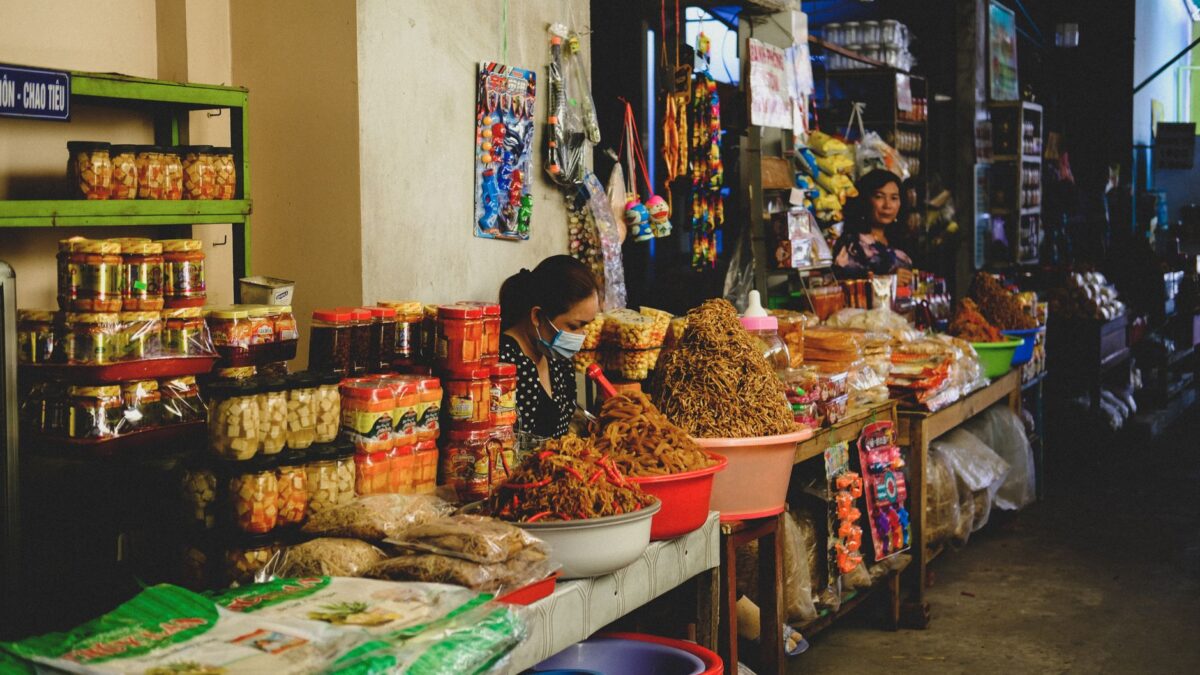
Stepping out of Wattay Airport into the Vientiane air is like walking into a warm, damp blanket. The monsoon has the city in its soft grip — streets are green, the Mekong is high and muddy, and the afternoon sky is already threatening a thunderstorm. You’re not here for a weekend; you’re staying. Good. Laos rewards the patient, but the first week can feel like a bureaucratic maze if you don’t know the shortcuts. Let me walk you through the essentials — visas, banking, and SIM cards — so you can get from arrival to sipping Beerlao at a night market stall without losing your mind.
Your First 72 Hours: Visas and Registration
If you’re arriving on a tourist visa, you’re in the easy lane. Most nationalities get a 30-day visa on arrival at Wattay Airport or the First Thai–Lao Friendship Bridge — bring US$30–42 in cash and a passport photo, though the photo machine at the airport can save you. Alternatively, apply for an eVisa via laoevisa.gov.la about five days ahead (roughly US$50, single entry). Either way, you’ll now also need to fill out the Lao Digital Immigration Form (LDIF) online within three days of arrival and departure — don’t skip it; the QR code at immigration will remind you.
But here’s the catch: if you’re planning to open a bank account or work, a tourist visa won’t cut it. You’ll need to convert to a longer stay, which means visiting the Department of Foreigner Control (immigration) to obtain a Stay Permit, and if you’re working, a Work Permit from the Ministry of Labour and Social Welfare. These aren’t optional extras — banks will ask for them, and your landlord might too. Tourists cannot register as residents, so don’t try. The process is slow (sabai sabai is the official pace), so bring a book and snacks. Plan for at least a few visits to immigration; it’s a rite of passage.
Banking in Kip: BCEL and Friends
Once you have your paperwork, head to a bank. The dominant player is BCEL (Banque pour le Commerce Extérieur Lao) — it’s the state bank, the most reliable, and its BCEL One mobile app is the closest thing to a seamless banking experience here. You’ll also see Banque Franco-Lao (BFL), ACLEDA, Lao Development Bank, and Canadia Bank, but BCEL is the usual first choice for expats.
Bring your passport, visa, stay permit, and work permit. Yes, all four. If you’re a foreign investor, note that since February 2024, you must open a local account within 15 days of getting your business licence. The process is surprisingly straightforward once you have the documents — you’ll fill a form, get a photo snapped, and receive a debit card (usually in a week). One tip: keep a stack of kip cash for daily life. Laos is still a cash economy outside the tourist bubble, and ATMs (which give large notes) are ubiquitous but can charge hefty fees. If you’re frugal, a meal at a local market noodle stall costs about ₭25,000–50,000 (roughly $2), so you won’t need to withdraw much.
Getting Connected: SIM Cards and Data
At arrivals, you’ll see kiosks for Unitel, Lao Telecom (LaoTel), and M-Tel. All three sell prepaid SIMs for a few thousand kip, and registration is a breeze — just show your passport. I’d recommend Unitel or Lao Telecom for the best coverage in Vientiane and beyond. If you’re in a rush, you can buy a data-only eSIM online in advance (tourists do this), but for a longer stay, a local SIM is cheaper and gives you a local number for Grab, food delivery, and your bank’s SMS alerts.
Data packages are cheap — you can get a few GB for under ₭100,000 (about $5) a month. Note that the kip has been depreciating (around 17,688 kip per US dollar in 2023), so prices in kip may feel unstable, but the SIM cards themselves are a tiny expense. For home internet, ask your landlord about fiber options — typically via Lao Telecom or Unitel — but for the first week, your phone hotspot will do fine.
Getting Around and Staying Safe
Vientiane’s transport is a choose-your-own-adventure. There’s no transit card — you’ll rely on tuk-tuks (always agree the fare before you climb in, or you’ll pay triple), Grab ride-hailing (the app works, and you can pay cash), or city buses from Talat Sao Bus Station. Bus 14 will take you to Buddha Park (Xieng Khuan) if you’re feeling adventurous — it’s about 25 km southeast, worth the ride for the surreal concrete statues. For daily life, rent a bicycle or scooter; it’s cheap and the city is flat, but watch the traffic — motorbikes are the kings of the road, and helmets are non-negotiable.
Safety-wise, Vientiane is one of the safest cities in Southeast Asia. Violent crime is rare, and walking around at night in the centre (Chanthabouly and Sisattanak districts) is fine. The real hazards are the raging motorbike traffic, the uneven sidewalks, and, in the wet season, sudden downpours that turn streets into rivers. Respect temple etiquette — cover your shoulders and knees, and take off shoes — and you’ll be welcomed.
Settling In: Money, Markets, and Making It Home
Once the paperwork is done, the fun begins. Start with a bowl of khao piak sen (the quintessential Lao noodle soup) — around ₭17,000–20,000 at a local stall — and a khao jee baguette from a cart (₭15,000–30,000). For a mid-range air-con dinner, expect ₭60,000–120,000. Rent for a modest one-bedroom flat in Sikhottabong or Sisattanak runs about ₭4,000,000–7,000,000 per month (around $310) — a steal by Western standards, but remember the minimum wage is ₭2.5 million, so it’s a local privilege.
Learn the districts: Chanthabouly is the historic heart with Nam Phou fountain and Patuxai; Sikhottabong has Talat Khua Din market and real daily life; Xaysetha is the expat-dining hub near the COPE Visitor Centre, a must-visit museum to understand Laos’ history — it’s the most bombed country per capita, and COPE tells that story with grace.
The Mekong promenade is your evening ritual — grab a Beerlao (₭20,000–25,000) at a riverside stall and watch the sunset over Thailand. For weekends, hop the China–Laos Railway to Vang Vieng (about an hour) for karst mountains and tubing, or stay put and explore the city — Wat Si Saket, Haw Phra Kaew, and the Lao Textile Museum are all within a few kilometres.
The Fine Print: Costs and Adjustments
Laos remains one of Asia’s cheapest destinations, but inflation (down to about 4–7% by late 2025) and the depreciating kip mean your money won’t stretch as far as it did a decade ago. Keep a rough budget: a cappuccino at a café runs ₭30,000–40,000, a night in a mid-range guesthouse ₭150,000–200,000. The beauty is that street food is still king — a plate of fried rice from a stall sets you back ₭15,000–25,000, and a bowl of pho at Pho Zap is ₭20,000–25,000.
One last piece of advice: embrace the tempo. Vientiane is not a city that rewards rushing. The visa lines, the bank queues, the three-hour lunch breaks — they’re all part of the rhythm. Get your SIM, get your bank card, and then get on a bus to Buddha Park. You’ll find your footing, and soon, this muddy, golden city will feel like home.
Frequently asked questions
How do I extend a tourist visa in Laos?
Tourist visas can be extended twice for up to 60 extra days at the Immigration Department in Vientiane. Bring your passport, a photo, and cash for the fee. This is separate from the Stay Permit needed for longer stays.
Can I open a bank account in Laos as a tourist?
No. Banks like BCEL require a passport, valid visa, stay permit, and work permit. Tourists are refused. You must get a Stay Permit and, if working, a Work Permit before opening an account.
What SIM card should I buy in Laos?
Unitel and Lao Telecom are the most reliable prepaid SIMs, sold at Wattay Airport and city shops. You'll need your passport to register. Data packages are cheap, around ₭100,000 for several GB.
Is it safe to live in Vientiane as an expat?
Yes, Vientiane is very safe day and night in the centre. The main hazards are motorbike traffic, tuk-tuk fare negotiations, and monsoon downpours. Temple etiquette and UXO warnings apply mostly outside the city.
What is the cost of living in Vientiane?
Rent for a modest one-bedroom flat is about ₭4,000,000–7,000,000 per month. A local meal costs ₭15,000–50,000, and a Beerlao about ₭20,000. It's still one of Asia's cheapest cities, though inflation has raised prices.
Things to do in Laos
 Prabang Plates Food Tour with 15+ Tastings
 Luang Prabang: Craft Your Own Aroma Candle in Heritage Home
 Evening Bamboo weaving & Cooking classes join-in
 Pony Riding in Luang Prabang
 Laos Buffalo Dairy Tours Interact, Learn and Taste Fresh Flavors
 Home-cooked dinner & Baci ceremony with Villagers in Ban Nasang