

The best time to visit France
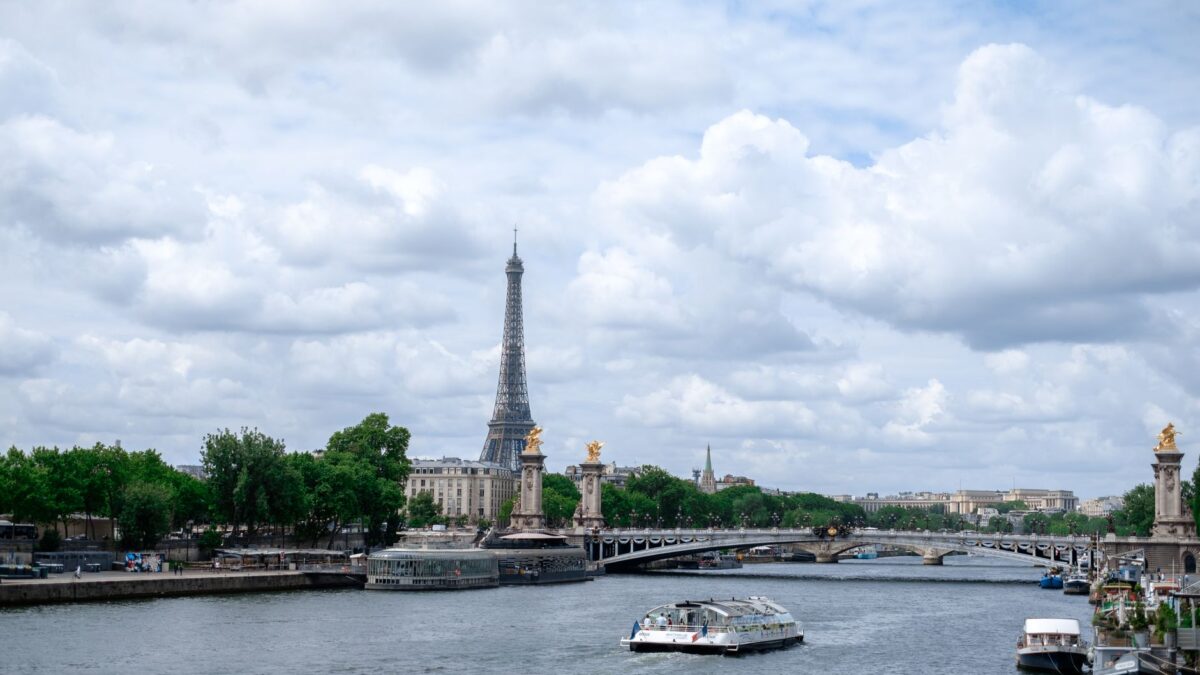
There’s a moment in early August when Paris lets out a contented sigh. The locals have fled—shutters drawn, bakeries closed, the metro half-empty—and the city hands itself over to you, the visitor. Along the Seine, where cars once roared, there are now striped deckchairs, children splashing in the newly swimmable river, and the smell of grilled merguez wafting from the Paris Plages pop-up beaches. The light stays long and golden until nearly 21:30. This is the Paris of the grandes vacances—and it’s glorious. But is it the best time for you? That depends on what you’re chasing.
Spring (March–May): Paris in bloom, fewer crowds
Spring is my favourite season to be a flâneur. The city shakes off winter grey, chestnut trees burst pink and white along the boulevards, and café terraces spill onto pavements. You’ll get mild days (about 10–19°C in March rising to 15–24°C by May) with a real chance of showers—pack a light raincoat. Crowds are moderate: school groups aside, the Louvre and Musée d’Orsay are navigable without booking weeks ahead. Prices are lower than summer, though May’s long weekends and the Cannes-and-F1 buzz can nudge hotel rates up. A bed in a mid-range boutique hotel starts around €150 a night—still a notch cheaper than July.
Don’t miss: the Fête de la Musique (June 21) is technically summer’s start, but in May you can catch the Nuit des Musées, when museums open free until late. The Musée Carnavalet in the Marais is always free, but on that one Saturday night it’s magical by lamplight.
Summer (June–August): festivals, free beaches, and joyful chaos
Summer is high season, full stop. Expect 16–31°C days (this August’s forecast sits in that sweet range, partly cloudy, with the sun up 06:33–21:18), throngs at every landmark, and hotel prices at their peak. But Paris delivers spectacle after spectacle. The Fête foraine des Tuileries erects about 60 rides and fairground stalls in the Tuileries Garden from late June to late August—a nostalgic, carnival buzz right next to the Louvre. Paris Plages turns the Seine banks, Canal Saint-Martin and Bassin de la Villette into urban beaches through August 30, with free swimming in the river now officially legal—a post-Olympics gift. And this year, the esports wave lands: an Esports World Cup debut at Paris Expo Porte de Versailles (about 2,000 players, 24 games, until August 23) and a free Esports Festival closing the Champs-Élysées to cars with giant screens. It’s loud, it’s young, it’s electric.
Two cautions: the Musée d’Orsay is mid-renovation of its entrance hall through 2028—from June 10 to October 5, 2026, major works block group visits and shift entry points, so book timed slots and expect queues. And the Centre Pompidou remains closed for renovation until 2030; the free Maison Pompidou pop-up on the Piazza runs events only until August 17. August is also the one month when many small bistros close for their own holidays. But the classics stay open: Bouillon République and Brasserie Bellanger keep serving their affordable plats du jour (€12–€16 at lunch), and you can always fall back on a €4–€5 jambon-beurre from any corner boulangerie.
If you want to swim in the Seine, see the Champs-Élysées without cars, and don’t mind sharing the city with the world, summer is unmissable. Just book everything—trains, hotels, museum tickets—weeks ahead.
Autumn (September–November): golden light, cultured calm
September is my secret tip for first-timers. The heat breaks (18–25°C), the crowds thin as French children go back to school, and the city eases into a quieter rhythm. Prices drop from summer peaks—that same €150 mid-range hotel might be closer to €120. October brings the Nuit Blanche contemporary-art marathon and the Fête des Vendanges at Montmartre, while the vineyards of Montmartre itself (yes, real vines) host harvest festivals. By November, the mood turns literary and moody—perfect for the Salon du Livre or a long afternoon in the Musée Picasso in the Marais. The biggest autumn event is FIAC (the contemporary art fair) in October. If you love art without elbows, this is your season.
One practical note: the weather grows damp by late November, and daylight shrinks. But the Bois de Vincennes and Bois de Boulogne turn amber, and the herons along the Seine seem more visible in the soft air.
Winter (December–February): twinkling lights, low prices, festive spirit
December in Paris is pure charm. The Champs-Élysées lights, the Christmas markets at La Défense and the Tuileries, mulled wine in hand, and Notre-Dame—reopened in December 2024 after the fire—glowing in all its restored glory. You’ll need a scarf and a good coat (3–9°C), but the cold keeps crowds manageable. Prices are at their lowest outside the holiday week; a mid-range room can dip to around €100–€120. January is the quietest month—many museums offer off-peak calm, and the soldes (winter sales) hit in the second week, when Parisians hunt bargains in the Marais and along Rue de Rivoli. February brings the Fête des Lumières in Lyon (a train ride away, about €25 single), but Paris itself hosts the Salon International de l’Agriculture—a surprisingly fun farm extravaganza.
The caveat: daylight is short (sunset around 17:00), and some smaller restaurants close between Christmas and New Year. But the Café de Flore and Terres de Café stay lit, and there’s nothing like a hot chocolate at La Jacobine after a frosty walk up Montmartre.
Practicalities: money, transport, and the fine print
Let’s talk budget. A single metro/RER ticket is €2.55 (2026 fare), the Navigo monthly pass €90.80, and a weekly pass €32.40—you can load it on the Bonjour RATP app or get a physical Navigo Découverte card (€5, bring a passport photo). For museums, the Louvre is €22 — book timed slots online. A simple lunchtime formule runs €12–€16, a jambon-beurre €4–€5, a coffee €3–€4 (or €2 at a corner stand), a baguette €1.30. Rent for a modest one-bedroom is about €1,200–€1,600 a month; you won’t need that as a tourist, but it tells you this is not a budget city. Still, the petit prix essentials—bread, métro, a park bench in the Parc des Buttes-Chaumont—keep it soulful.
Visas: Americans, Brits, Canadians, Australians and most non-EU tourists enter visa-free for 90 days in any 180-day period. The ETIAS authorisation has been postponed repeatedly—check before you fly. If you plan to stay longer, you’ll need a long-stay visa (VLS-TS) and must validate it online within three months via the OFII portal (about €200 for most categories). Transit smart: use the Navigo card, not single tickets, and avoid the purse-snatchers around Châtelet and the metro—pickpocketing is the only real crime you’ll encounter. For emergencies, dial 112.
So, which month is best for you?
- First-timers wanting classic sights without frying: late September or early October.
- Families who need built-in entertainment: July–August, for Paris Plages, the funfair, and the esports festivals.
- Romantics after the film-set version: December for lights, or March for blossom and quiet museums.
- Budget travellers who don’t mind chill: January–February, except the holiday week.
- Culture buffs chasing art fairs: October–November.
Whatever you choose, Paris rewards the unhurried. Sit at a café, watch the light on the Seine, order a €4 coffee and let the city do its thing. The best time to visit Paris is simply the time you give yourself to be present in it.
Frequently asked questions
What is the cheapest month to visit Paris?
January and February are the quietest and most affordable months, with hotel prices dropping to around €100–€120 for a mid-range room. You’ll trade warm weather for twinkling winter sales and near-empty museums.
When is the best time to visit Paris to avoid crowds?
Late September and October offer the best balance of mild weather and thin crowds. November is also calm, but expect rain and shorter daylight hours.
Is August a good time to visit Paris?
Yes, if you love festivals and don’t mind crowds. August brings Paris Plages (free urban beaches and swimming in the Seine), the Fête foraine des Tuileries funfair, and the esports festivals on the Champs-Élysées — but many local bistros close for holidays.
What is the weather like in Paris in December?
December is cold and crisp, with temperatures ranging from 3–9°C. Snow is rare but possible; bring a warm coat and gloves. The Christmas lights and markets make it magical.
Are there any major closures in Paris to know before visiting?
Yes — the Centre Pompidou is closed for renovation until 2030 (though a free pop-up runs until mid-August 2026), and the Musée d’Orsay has ongoing entrance-hall works through 2028. Check their websites before your visit.
Things to do in France
 Louvre Museum Private Guided Family Tour for Kids, Entry Included
 Private guided American D-Day Tour from Bayeux
 Louvre Evening Tour Semi Private 6ppl Max BEST Avoid The Crowds
 The Essential Louvre Masterpieces Tour - Limited to Six Guests
 Likely to sell out
Paris Highlights: Half Day Private Walking Tour
 Hot Air Balloon Flight over the castle of Chenonceau / France